7 min
•
Ibtissam El Assad

Armenia’s Rare Earth Opportunity: Can a Small Nation Power a Cleaner Tech Future?

AN EXCLUSIVE INTERVIEW WITH:

When the global conversation turns to rare earth elements (REEs), Armenia is rarely the first country mentioned. Yet this small, geologically rich nation could play an important role in the world’s transition to net-zero. As demand for REEs essential for wind turbines, EV motors, batteries, and advanced electronics continues to grow, countries and companies are looking for reliable, diversified partners. Armenia, with its mining experience and scientific talent, is well positioned to be one of them.

From Copper to Critical Minerals: A Strategic Pivot

Armenia’s mining history has long centered on copper, molybdenum, and gold. These sectors have supported exports, jobs, and industrial capabilities. Now, as the world shifts towards cleaner technologies, attention is turning to critical minerals including rare earths that underpin the green economy.

Armenia sits within a tectonically active and mineral-rich region already known for polymetallic deposits. While not yet a major rare earth producer, its geology suggests potential for critical minerals occurring alongside existing ore bodies. That creates an opportunity to build on what already exists:

  • Established mining and processing know-how
  • Technical expertise in geology, metallurgy, and engineering
  • An industrial base that can be upgraded toward higher-value, cleaner technologies

Rather than trying to compete on volume, Armenia can develop as a smart, agile niche player in low carbon supply chains.

A “Second Generation” Rare Earth Strategy

Many of the world’s early rare earth projects emerged before today’s environmental technologies and sustainability standards were widely available. Armenia has the advantage of entering this space later, with access to modern best practices and cleaner technologies from the start.

This opens the door to a “second generation” rare earth strategy built around:

  • Modern waste management: Designing tailings and waste systems with advanced engineering, monitoring, and reuse potential.
  • Water conscious operations: Applying up to date standards for water use, recycling, and protection of rivers and watersheds.
  • Land use compatibility: Planning projects in a way that respects other important economic activities, such as agriculture and tourism.

By prioritizing these principles from the beginning, Armenia can align rare earth development with its broader sustainability and development goals and present itself as a reliable, forward looking partner in global supply chains.

Specialization, Not Scale: Armenia’s Competitive Edge

Armenia’s strength doesn’t have to come from being “big.” It can come from being precise, specialized, and innovative. Several promising directions stand out:

  1. High-Purity Processing and Refining
    Rather than focusing only on extraction, Armenia can invest in high value processing producing high purity materials that feed directly into clean-tech manufacturing. By emphasizing quality, traceability, and sustainability, Armenia can appeal to markets that care about both performance and environmental standards.

  2. By‑Product Recovery from Existing Mines
    Rare earths and other critical minerals often occur in small quantities within existing ore streams. With the right technologies, Armenia can recover valuable elements from current copper or molybdenum operations, creating new value while minimizing additional land disturbance.

  3. Low-Carbon and Circular Mining Pilots
    Armenia is well suited to host pilot projects that test renewable-powered operations, advanced waste treatment, and metal recovery from tailings. Successful pilots can attract international partnerships, technology transfer, and investment.

Together, these approaches enable Armenia to present itself not only as a resource holder, but as an innovation hub for responsible critical minerals development.

Partnering for a Fair and Forward Looking Transition

The global push for a clean energy transition  is creating strong demand for trustworthy partners who can supply critical minerals in line with modern expectations around sustainability, transparency, and shared benefit. Armenia has several advantages in this context:

  • A strategic location at the crossroads of regions and markets
  • A tradition of scientific and engineering education
  • Experience in mining and processing, which can be upgraded and diversified

Well designed partnerships between government, industry, local communities, and international stakeholders can ensure that new projects support long term development goals, create skilled jobs, and connect Armenia more deeply to the emerging clean tech economy.

For investors and technology partners, Armenia offers a compelling proposition: a country eager to align with the net‑zero transition, ready to build on existing strengths, and open to collaboration around high standards and innovation.

A Different Kind of Rare Earth Story

Most rare earth narratives focus on dominance, scarcity, and geopolitical rivalry. Armenia can help tell a different story, one centered on smart specialization, sustainability, and shared value.

That story could include:

  • Developing trusted, high quality supply of critical materials for clean technologies
  • Showcasing modern, environmentally conscious practices from the outset
  • Using critical minerals as a bridge to broader innovation in materials science, clean energy, and advanced manufacturing

Armenia may never be the largest producer of rare earths, and it doesn’t need to be. Its strength can lie in becoming a high trust, high value partner in the critical minerals ecosystem demonstrating how a small country with a strong mining and scientific tradition can contribute meaningfully to the global net-zero transition.

In a world racing to decarbonize, Armenia’s rare earth opportunity is not just about what lies underground, but about the kind of future it chooses to build above it.

‍

RELATED POSTS

November 16, 2026
•
Article

Sahamco Unveils US$25 Billion Green Hydrogen and Ammonia Project in Dakhla

12 November 2026, London (The Net-Zero Circle) Emirati company Sahamco Holding BV has unveiled plans for a US$25 billion renewable hydrogen and ammonia project in Dakhla, in Morocco's Sahara region. It is one of the largest green molecule investments announced in the Kingdom to date. The project is designed to produce one million tonnes of renewable ammonia a year, powered by Dakhla's wind and solar resources. Sahamco says it has completed feasibility and pre-front-end engineering design (Pre-FEED) studies. Several key details, however, have not yet been made public, including the project's partners, financing structure, power capacity and construction timeline.
November 16, 2026
•
Article

Brazil Names 27 Critical and Strategic Minerals in Push to Build a Domestic Supply Chain

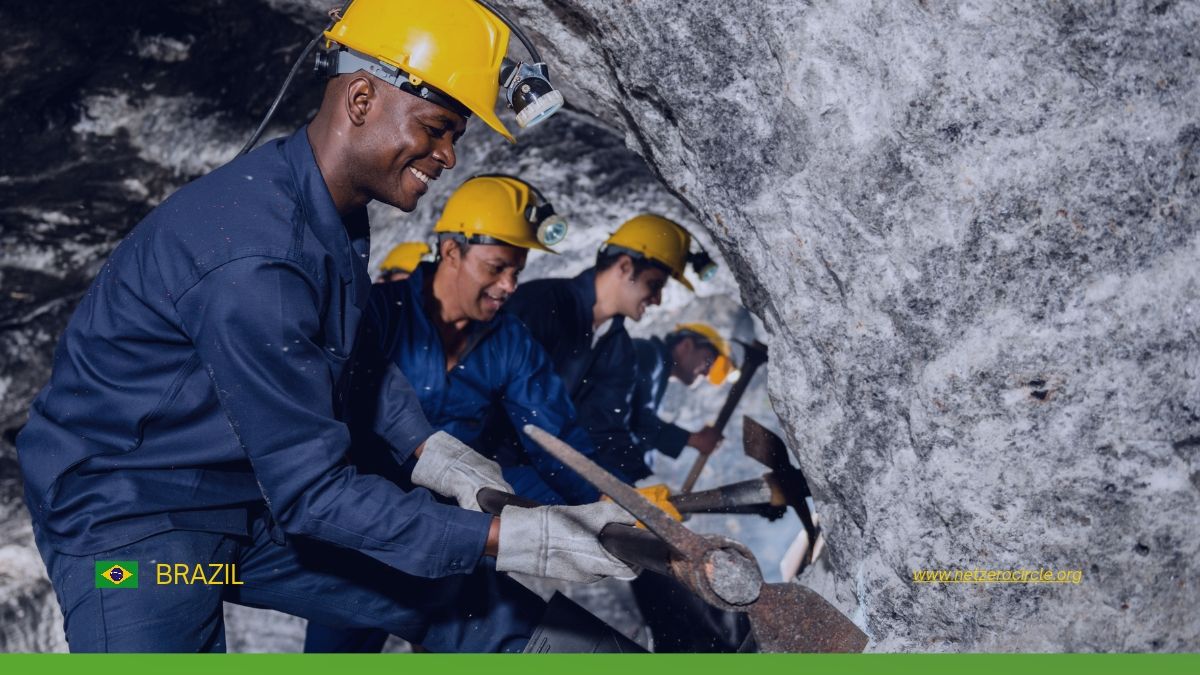
11 November 2026, London (The Net-Zero Circle) Brazil's critical minerals strategy is moving from principle to practice. The government has approved its first official list of critical and strategic minerals, naming 27 substances that will determine which projects can access new state financing as the country seeks to process more of its mineral wealth at home. The list gives investors a clearer picture of where Brasília intends to focus its support. How much it changes in practice, however, will depend on funding, on rules that are still being drafted and on the country's ability to attract private capital.
October 23, 2026
•
News

Brazilian Critical Minerals acquires 90% of Sais Nordeste to secure reagent supply for Ema rare earth project

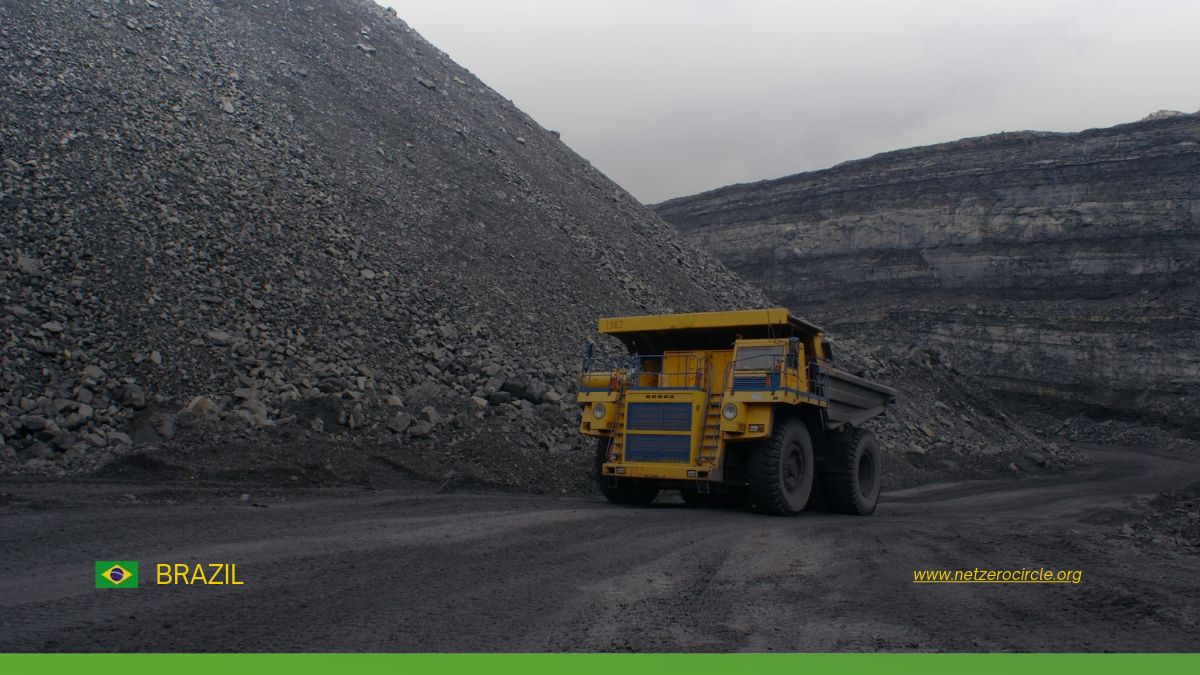
22 October 2026, London (The Net-Zero Circle by IN-VR) Brazilian Critical Minerals (BCM) is moving upstream of its own mine to secure the reagent its rare earth project depends on. The ASX-listed company has signed a binding agreement, through its wholly owned subsidiary Mineração BBX do Brasil Ltda, to acquire a 90% stake in Sais Nordeste Indústria e Comércio Ltda, a magnesium sulphate producer in Feira de Santana, in the state of Bahia. Financial terms have not been disclosed. The deal reflects a wider shift in how rare earth developers outside China are approaching supply risk. Securing ore and refining capacity is no longer enough; the chemicals used to process that ore matter too. By bringing magnesium sulphate production under its own control in Brazil, BCM aims to cut its reliance on Chinese reagent supply chains and strengthen its position as an upstream supplier to the rare earth industry now being built in Western markets.