5 min
•
Ibtissam El Assad

Dakhla-Oued Eddahab Advances Green Transition with New AI, Hydrogen and Green Data Center Agreements

AN EXCLUSIVE INTERVIEW WITH:

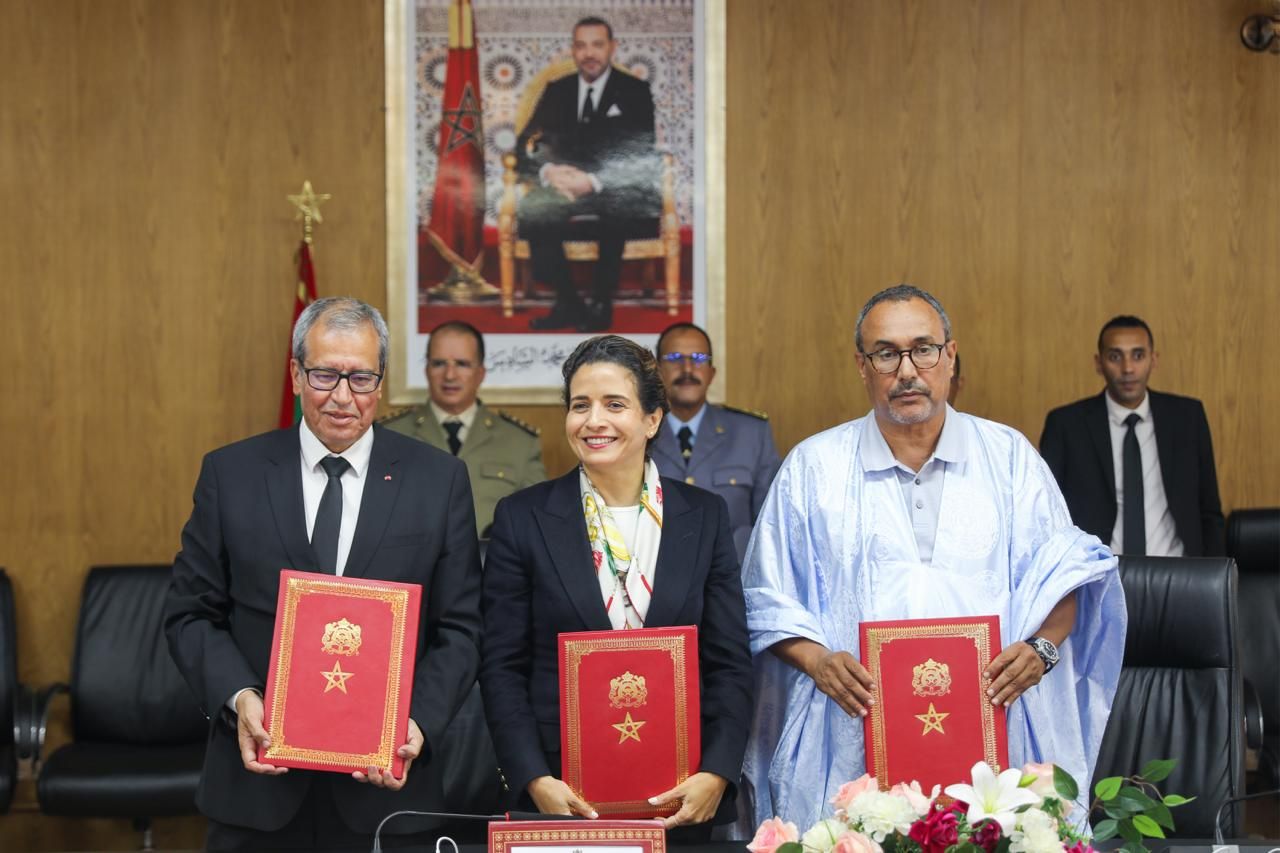
Dakhla, Morocco, in a significant step toward strengthening Morocco’s energy transition and digital transformation, three strategic agreements were signed during an official visit by Dr. Leila Benali, PhD, Minister of Energy Transition and Sustainable Development, to the Dakhla-Oued Eddahab region.

The signing ceremony took place at the headquarters of the Wilaya of Dakhla, in the presence of the Wali, the President of the Region, the Minister Delegate in charge of Digital Transition and Administrative Reform, the Director General of the Research Center for Good and Renewable Energies, and the President of Ibn Zohr University. Together, they outlined a shared vision positioning Dakhla as a pioneering hub for clean energy, green hydrogen, and digital innovation in Morocco and the wider region.

1. Launch of “JAZARI NET” Cluster for AI and Digitalization in the Energy Transition

The first agreement establishes the “JAZARI NET” cluster, a new innovation ecosystem dedicated to accelerating research and development in digitalization and artificial intelligence for the energy transition.

The cluster will:

  • Promote advanced training, research, and innovation in energy and climate technologies
  • Bridge scientific research and on-the-ground needs in key areas such as:
    • Renewable energies
    • Green hydrogen
    • Energy storage
    • Seawater desalination
    • Smart grids
    • Energy efficiency
    • Sustainable development

By fostering collaboration between academia, industry, and public institutions, JAZARI NET aims to generate practical solutions that support Morocco’s trajectory toward a low-carbon, resilient economy.

2. Boosting Renewable Energy and Green Hydrogen Projects in Dakhla-Oued Eddahab

The second agreement focuses on scaling up renewable energy and green hydrogen projects in the Dakhla-Oued Eddahab region, with a particular emphasis on energy integration and regional connectivity.

This partnership aims to:

  • Cooperate on the development of new and renewable energy projects
  • Support the production of green hydrogen and clean fuels
  • Enable seawater desalination powered by renewables
  • Secure sustainable power supply for data centers
  • Improve energy efficiency across sectors
  • Strengthen energy infrastructure and interconnection at national and regional levels

These efforts are designed to position Dakhla-Oued Eddahab as a key player in emerging green value chains, contributing both to Morocco’s climate objectives and to regional energy security.

3. Establishing Green Data Centers as Strategic Digital Infrastructure

The third agreement paves the way for the establishment of green data centers in Dakhla-Oued Eddahab, powered by clean energy and integrated into the region’s broader energy transition strategy.

These green data centers are intended to:

  • Serve as strategic digital infrastructure for a low-carbon economy
  • Reinforce national digital sovereignty
  • Attract investments in cloud computing and digital services
  • Create high-value, knowledge-intensive jobs
  • Support the emergence of Dakhla as a leading digital hub at the intersection of Africa, Europe, and the Atlantic

By linking Morocco’s national energy efficiency strategy with the “Digital Morocco 2030” vision, the project aims to ensure that digital growth goes hand-in-hand with decarbonization and sustainable development.

These three agreements together illustrate a holistic approach that connects clean energy, advanced digital technologies, research, and territorial development. Dakhla-Oued Eddahab is thus positioned as a laboratory for net-zero solutions, where renewable energy, green hydrogen, AI, and green digital infrastructure converge to support Morocco’s long-term climate and development ambitions.

‍

RELATED POSTS

November 16, 2026
•
Article

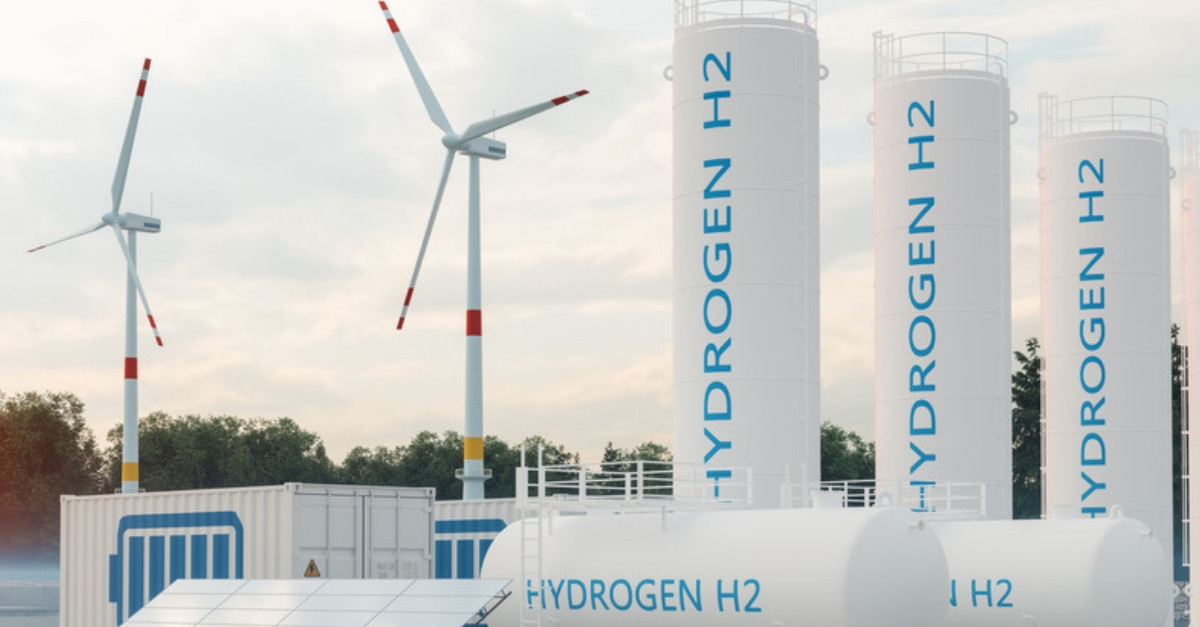
Sahamco Unveils US$25 Billion Green Hydrogen and Ammonia Project in Dakhla

12 November 2026, London (The Net-Zero Circle) Emirati company Sahamco Holding BV has unveiled plans for a US$25 billion renewable hydrogen and ammonia project in Dakhla, in Morocco's Sahara region. It is one of the largest green molecule investments announced in the Kingdom to date. The project is designed to produce one million tonnes of renewable ammonia a year, powered by Dakhla's wind and solar resources. Sahamco says it has completed feasibility and pre-front-end engineering design (Pre-FEED) studies. Several key details, however, have not yet been made public, including the project's partners, financing structure, power capacity and construction timeline.
November 16, 2026
•
Article

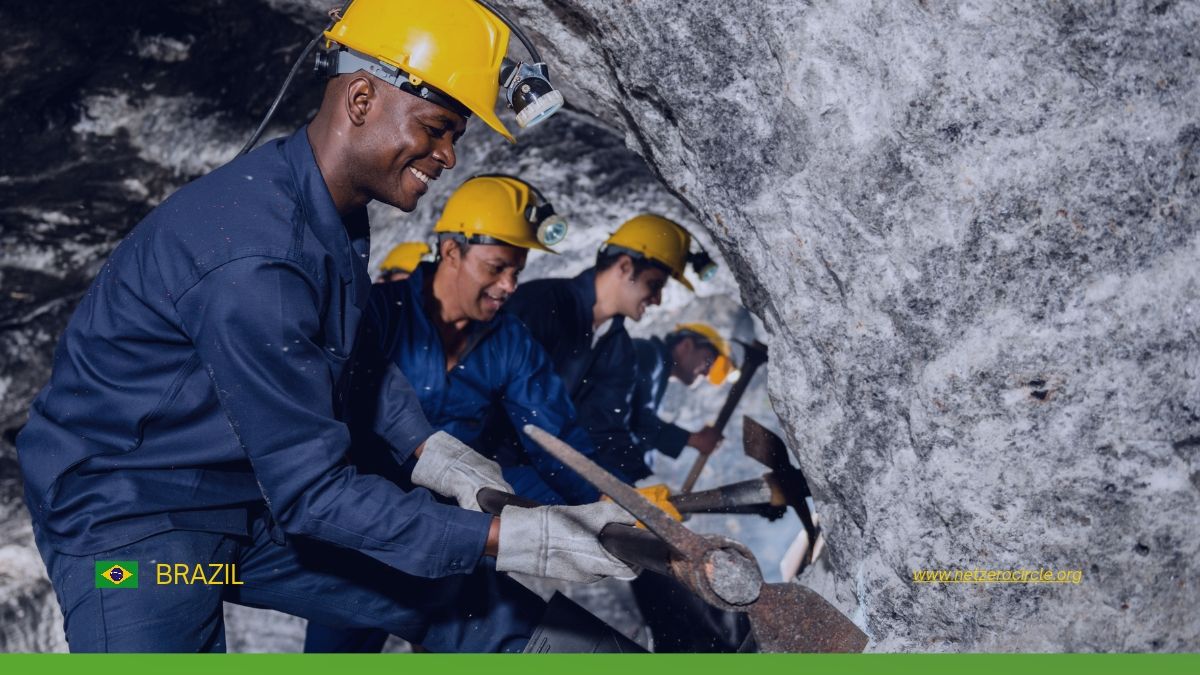
Brazil Names 27 Critical and Strategic Minerals in Push to Build a Domestic Supply Chain

11 November 2026, London (The Net-Zero Circle) Brazil's critical minerals strategy is moving from principle to practice. The government has approved its first official list of critical and strategic minerals, naming 27 substances that will determine which projects can access new state financing as the country seeks to process more of its mineral wealth at home. The list gives investors a clearer picture of where Brasília intends to focus its support. How much it changes in practice, however, will depend on funding, on rules that are still being drafted and on the country's ability to attract private capital.
October 23, 2026
•
News

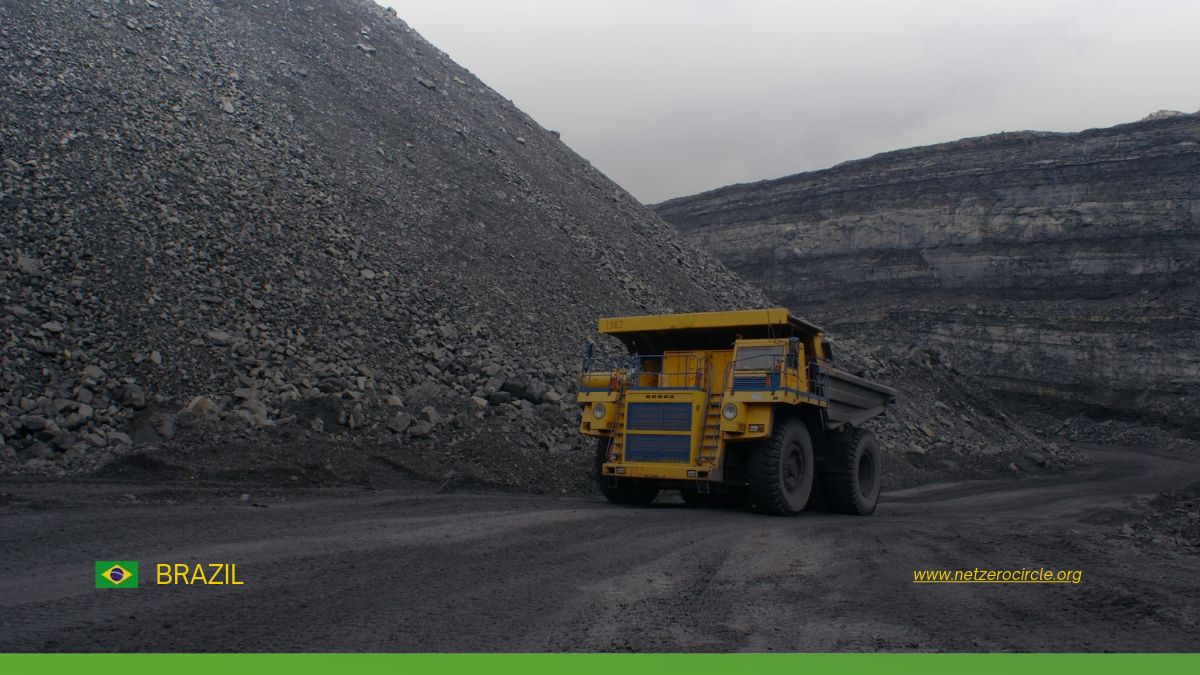
Brazilian Critical Minerals acquires 90% of Sais Nordeste to secure reagent supply for Ema rare earth project

22 October 2026, London (The Net-Zero Circle by IN-VR) Brazilian Critical Minerals (BCM) is moving upstream of its own mine to secure the reagent its rare earth project depends on. The ASX-listed company has signed a binding agreement, through its wholly owned subsidiary Mineração BBX do Brasil Ltda, to acquire a 90% stake in Sais Nordeste Indústria e Comércio Ltda, a magnesium sulphate producer in Feira de Santana, in the state of Bahia. Financial terms have not been disclosed. The deal reflects a wider shift in how rare earth developers outside China are approaching supply risk. Securing ore and refining capacity is no longer enough; the chemicals used to process that ore matter too. By bringing magnesium sulphate production under its own control in Brazil, BCM aims to cut its reliance on Chinese reagent supply chains and strengthen its position as an upstream supplier to the rare earth industry now being built in Western markets.