5 min
•
Ibtissam El Assad

Saudi Arabia and Morocco Deepen Energy Partnership with New Renewables Program

AN EXCLUSIVE INTERVIEW WITH:

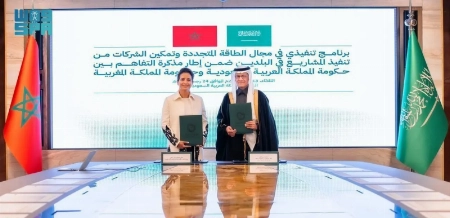
Saudi Arabia and Morocco have taken a fresh step toward closer energy cooperation after Saudi Arabia’s Energy Minister, Prince Abdulaziz bin Salman, met Morocco’s Minister of Energy Transition and Sustainable Development, Leila Benali, in Riyadh. The discussions focused on shared priorities in the evolving energy landscape most notably renewable energy deployment and improved energy efficiency.

The meeting concluded with the signing of an executive program intended to accelerate joint work on renewables under a broader memorandum of understanding on energy cooperation first agreed by the two governments in May 2022. While the original MoU set the framework, the new program is positioned as an implementation track, translating high-level intent into coordinated projects, institutional collaboration, and investment pathways.

Expanding Projects at Home and Beyond

At the core of the executive program is an effort to deepen bilateral ties while unlocking mutual investment opportunities. A key feature is the explicit role of national companies from both countries, which the program enables to jointly develop and execute renewable energy projects not only within Saudi Arabia and Morocco, but also in third markets. This outward looking dimension signals ambitions that extend beyond domestic capacity expansion, aiming instead at building joint capabilities that can be exported regionally and internationally.

Cooperation Across the Renewables Value Chain

The program outlines a broad scope of technical cooperation that spans the critical elements needed to scale renewables reliably. Areas of collaboration include:

  • Renewable electricity generation
  • Energy storage solutions
  • Grid integration for variable renewable supply
  • Electricity transmission and grid development
  • Incorporating renewables into major infrastructure and development initiatives

By addressing both generation and the enabling grid infrastructure, the cooperation framework reflects a practical understanding of what it takes to move from renewable targets to stable, system wide delivery.

Research, Training, and Knowledge Transfer

Beyond project development, the two sides also plan to invest in the institutional foundations of the energy transition. The executive program includes the establishment of research and training centers aimed at advancing renewable energy technologies, strengthening workforce capacity, and supporting structured knowledge transfer between the two countries.

During the talks, the ministers underscored the role of scientific research and innovation in enhancing competitiveness and creating added value particularly highlighting mining services as an area where innovation can deliver strategic advantage. They agreed to sustain close coordination between technical teams, with an emphasis on encouraging private sector participation, attracting investment, and building partnerships among training institutions, research centers, and specialized engineering organizations.

Parallel Momentum on Sustainable Mining Governance

In a related development, Minister Benali has also been advancing regional collaboration in mining governance. In November, she signed a strategic memorandum of understanding in Marrakech with the Africa Minerals Strategy Group during the opening of the Morocco International Mining Congress. That agreement aims to support responsible and sustainable mining practices across Africa, including work toward a continent wide ESG framework and the Origination Transit Certification corridor.

A Broader Signal of Strategic Alignment

Taken together, the Riyadh meeting and the new executive program reflect a broader convergence: pairing renewable energy scale up with the institutions, skills, and governance frameworks needed to sustain long term transformation. For Saudi Arabia and Morocco, the initiative also positions cooperation as a platform not only for domestic progress, but for joint participation in the expanding renewable and energy infrastructure opportunity set across third markets.

‍

RELATED POSTS

November 16, 2026
•
Article

Sahamco Unveils US$25 Billion Green Hydrogen and Ammonia Project in Dakhla

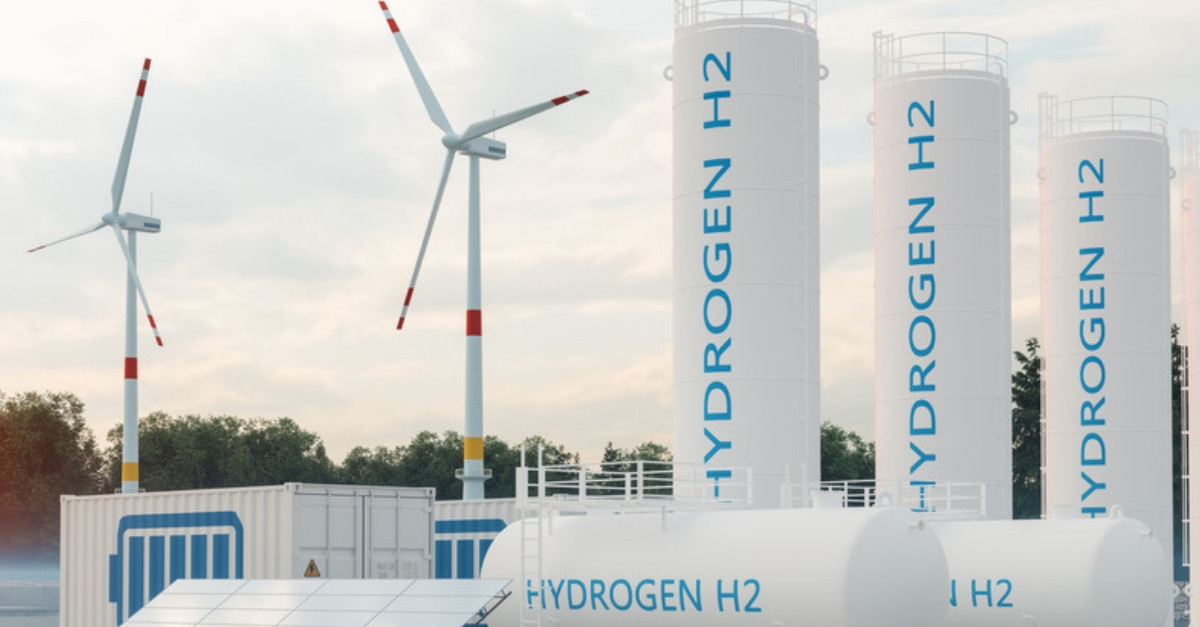
12 November 2026, London (The Net-Zero Circle) Emirati company Sahamco Holding BV has unveiled plans for a US$25 billion renewable hydrogen and ammonia project in Dakhla, in Morocco's Sahara region. It is one of the largest green molecule investments announced in the Kingdom to date. The project is designed to produce one million tonnes of renewable ammonia a year, powered by Dakhla's wind and solar resources. Sahamco says it has completed feasibility and pre-front-end engineering design (Pre-FEED) studies. Several key details, however, have not yet been made public, including the project's partners, financing structure, power capacity and construction timeline.
November 16, 2026
•
Article

Brazil Names 27 Critical and Strategic Minerals in Push to Build a Domestic Supply Chain

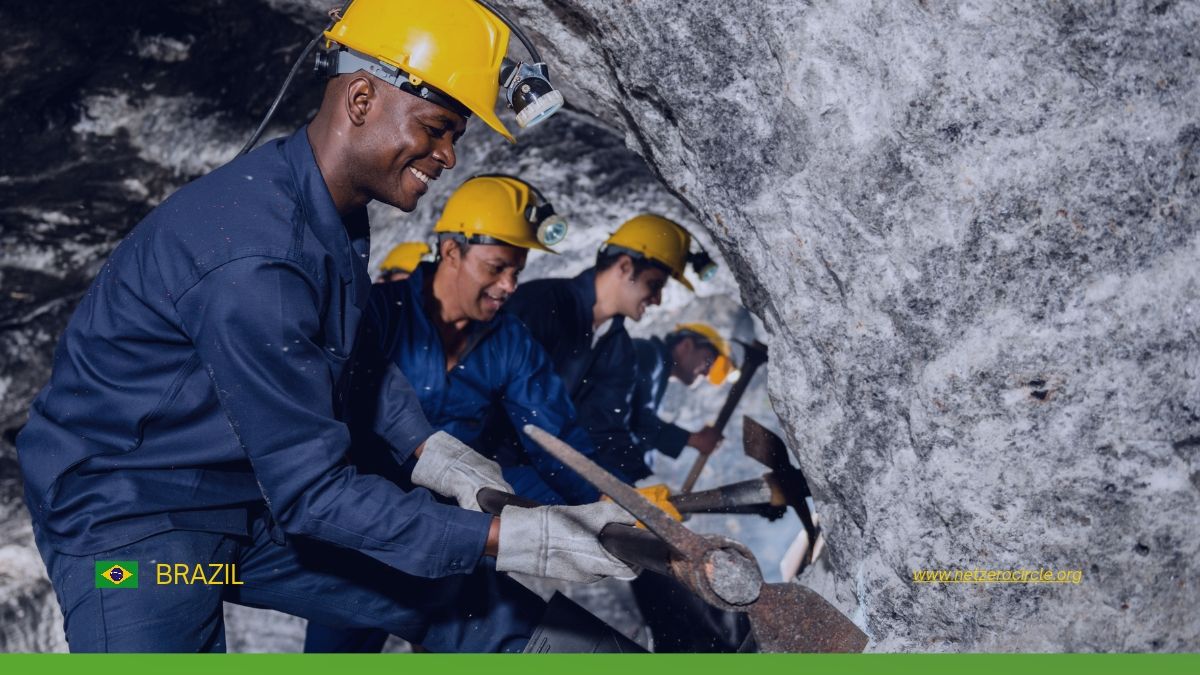
11 November 2026, London (The Net-Zero Circle) Brazil's critical minerals strategy is moving from principle to practice. The government has approved its first official list of critical and strategic minerals, naming 27 substances that will determine which projects can access new state financing as the country seeks to process more of its mineral wealth at home. The list gives investors a clearer picture of where Brasília intends to focus its support. How much it changes in practice, however, will depend on funding, on rules that are still being drafted and on the country's ability to attract private capital.
October 23, 2026
•
News

Brazilian Critical Minerals acquires 90% of Sais Nordeste to secure reagent supply for Ema rare earth project

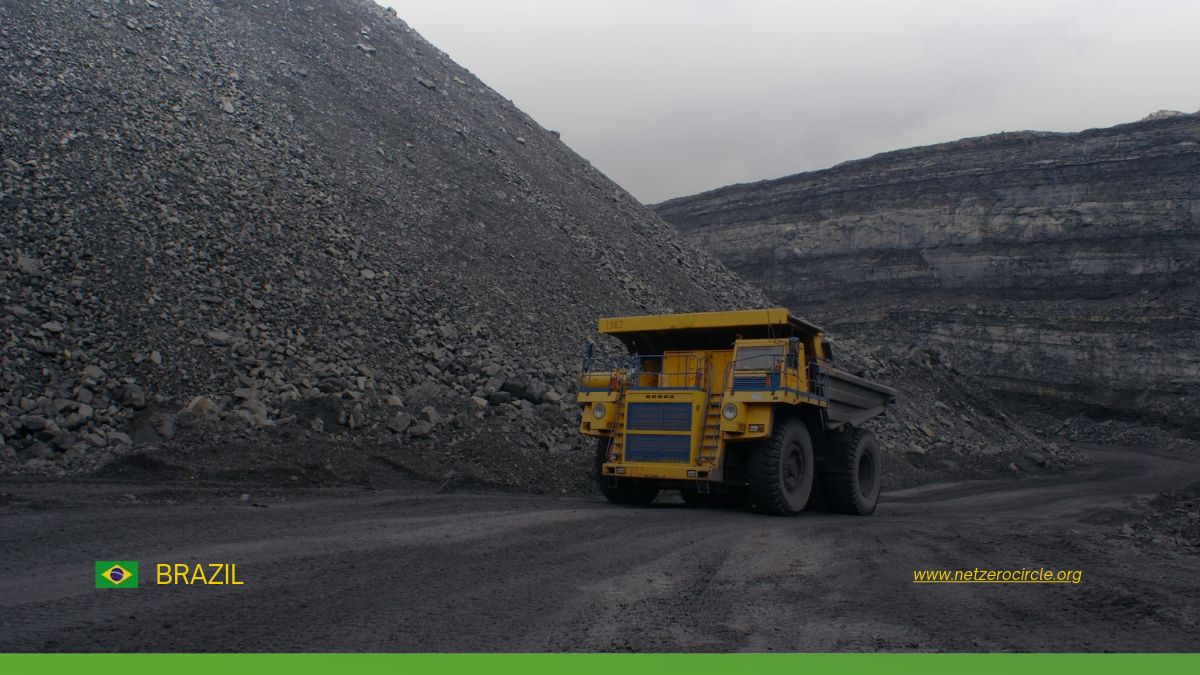
22 October 2026, London (The Net-Zero Circle by IN-VR) Brazilian Critical Minerals (BCM) is moving upstream of its own mine to secure the reagent its rare earth project depends on. The ASX-listed company has signed a binding agreement, through its wholly owned subsidiary Mineração BBX do Brasil Ltda, to acquire a 90% stake in Sais Nordeste Indústria e Comércio Ltda, a magnesium sulphate producer in Feira de Santana, in the state of Bahia. Financial terms have not been disclosed. The deal reflects a wider shift in how rare earth developers outside China are approaching supply risk. Securing ore and refining capacity is no longer enough; the chemicals used to process that ore matter too. By bringing magnesium sulphate production under its own control in Brazil, BCM aims to cut its reliance on Chinese reagent supply chains and strengthen its position as an upstream supplier to the rare earth industry now being built in Western markets.