•

Tailored Solutions and Local Commitment: ATESS Driving Chile’s Energy Storage and E-Mobility Future

AN EXCLUSIVE INTERVIEW WITH:

What do you consider the main challenge to accelerating energy storage adoption in Chile, and how is ATESS helping to address it?

One key challenge is the shortage of experienced technical personnel in the energy storage sector.

ATESS helps address this by not only providing reliable products but also offering technical training and strong local support to build long-term capacity and ensure successful project deployment.

ATESS has developed an active presence in the Chilean market in recent years. What key learnings and opportunities have you identified through your work in the country and engagement with local energy stakeholders?

In Chile, we’ve learned that adapting to diverse environmental conditions and building strong local partnerships are the key. There’s a clear opportunity to support grid stability and reduce solar curtailment, especially in the north. We also see growing potential for both C&I and utility-scale storage as the energy transition accelerates.

Chile is becoming a regional leader in renewable energy. From ATESS’s perspective, what role will energy storage play in securing the stability of this evolving energy matrix?

At ATESS, we see energy storage as key to stabilizing Chile’s renewable grid. Our goal is to provide reliable, scalable storage solutions that reduce curtailment, enhance flexibility, and support the country’s clean energy transition.

In addition to storage, ATESS has been driving forward EV charging infrastructure. How do you envision the development of e-mobility in Chile over the next five years?

We’re very confident in the future of e-mobility in Chile. The pace of market growth in recent years has been remarkable. At ATESS, we are closely following this development and have been designing EV chargers tailored to local needs — reliable, smart, and scalable. We see Chile as a key market and are committed to supporting its transition to clean transportation.

Based on your global experience, what international best practices in storage or e-mobility could be successfully applied in the Chilean context?

Based on our global experience, two best practices stand out for the Chilean market:

1.Customized Solutions for Local Needs
Chile’s diverse geography and energy challenges require flexible, tailored systems—especially for remote areas and industrial users. Customization ensures higher efficiency and better fit.
2.Strong Local Partner and Service Network
Success depends on trusted local distributors and reliable after-sales service. Investing in training, support, and local maintenance teams builds long-term trust and ensures smooth operation.

Lastly, what message would you share with the investors, decision-makers, and companies attending the Chile Energy Transition Summit 2025 about the value ATESS brings to Chile’s energy ecosystem?

At ATESS, we bring advanced, reliable, and scalable energy storage and EV charging solutions tailored to Chile’s unique energy landscape. Our technology supports grid stability, maximizes renewable energy use, and accelerates the clean mobility transition. We are committed to partnering with local stakeholders to drive Chile’s sustainable energy future and deliver long-term value for investors and the community.

RELATED POSTS

October 15, 2026
•
Article

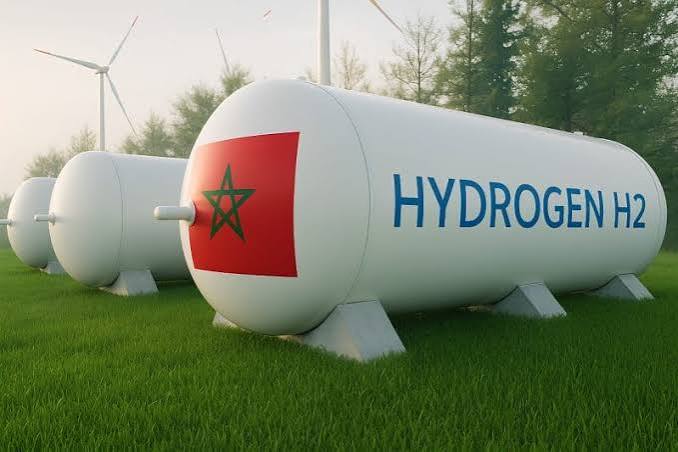
Upper Austria Turns to Morocco as Europe’s Industrial Heartland Searches for Green Hydrogen

14 October 2026, Tangier (The Net-Zero Circle by IN-VR): An Upper Austrian delegation led by Markus Achleitner and Günther Steinkellner visited Tanger Med and Moroccan industrial partners to explore green hydrogen imports and industrial cooperation. Morocco has seven hydrogen projects advancing, with around 15 GW of renewable capacity planned, as it prepares to begin exports from 2030.

September 30, 2026
•
Article

Salta’s Lithium Exports Get a 240-Tonne Boost

Salta has launched its first on-site customs facility for a lithium operation at Ganfeng’s General Güemes processing plant. The system allows lithium chloride to be consolidated, inspected and cleared for export directly at the facility. Following a 240-tonne pilot shipment, the model could help improve the efficiency, traceability and scalability of Salta’s lithium export chain.
September 29, 2026
•
Article

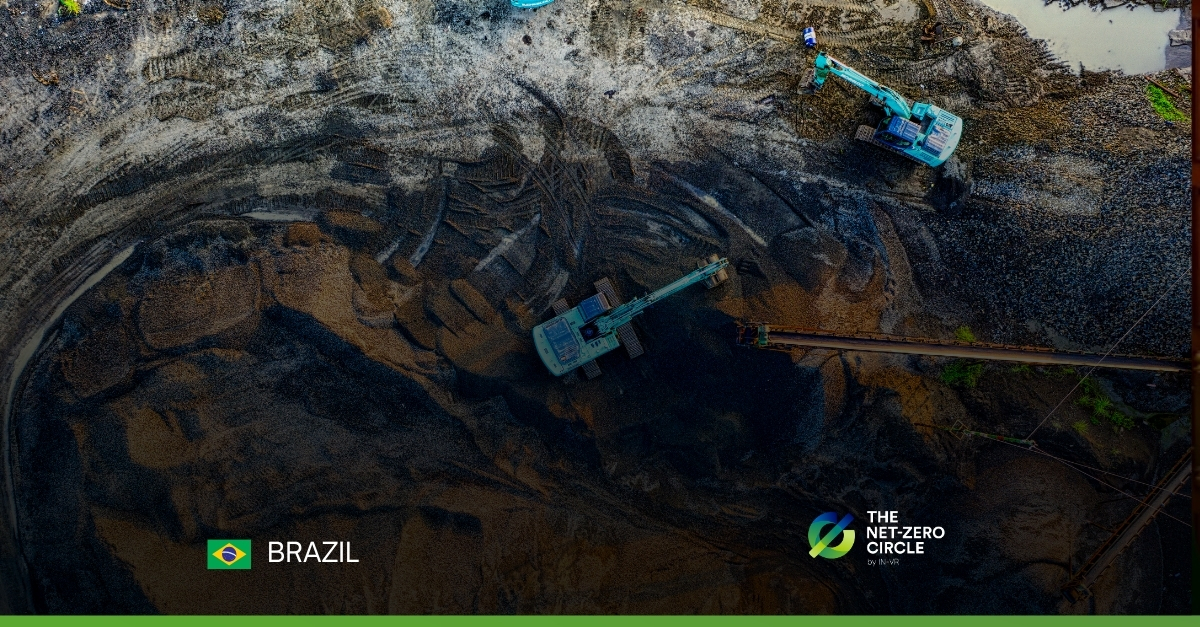
Brazil’s New Critical Minerals Law Reshapes Investment Rules

Brazil’s new critical minerals law strengthens state oversight of strategic mineral assets while keeping the sector open to foreign investment. The policy prioritises local processing, value creation and supply-chain security, with CIMCE gaining powers to review key transactions. Its impact on investment will depend on how transparently and predictably these new powers are implemented.