5 min
Ibtissam El Assad

Taqa Morocco and JBIC Partner to Advance Sustainable Energy Infrastructure

AN EXCLUSIVE INTERVIEW WITH:

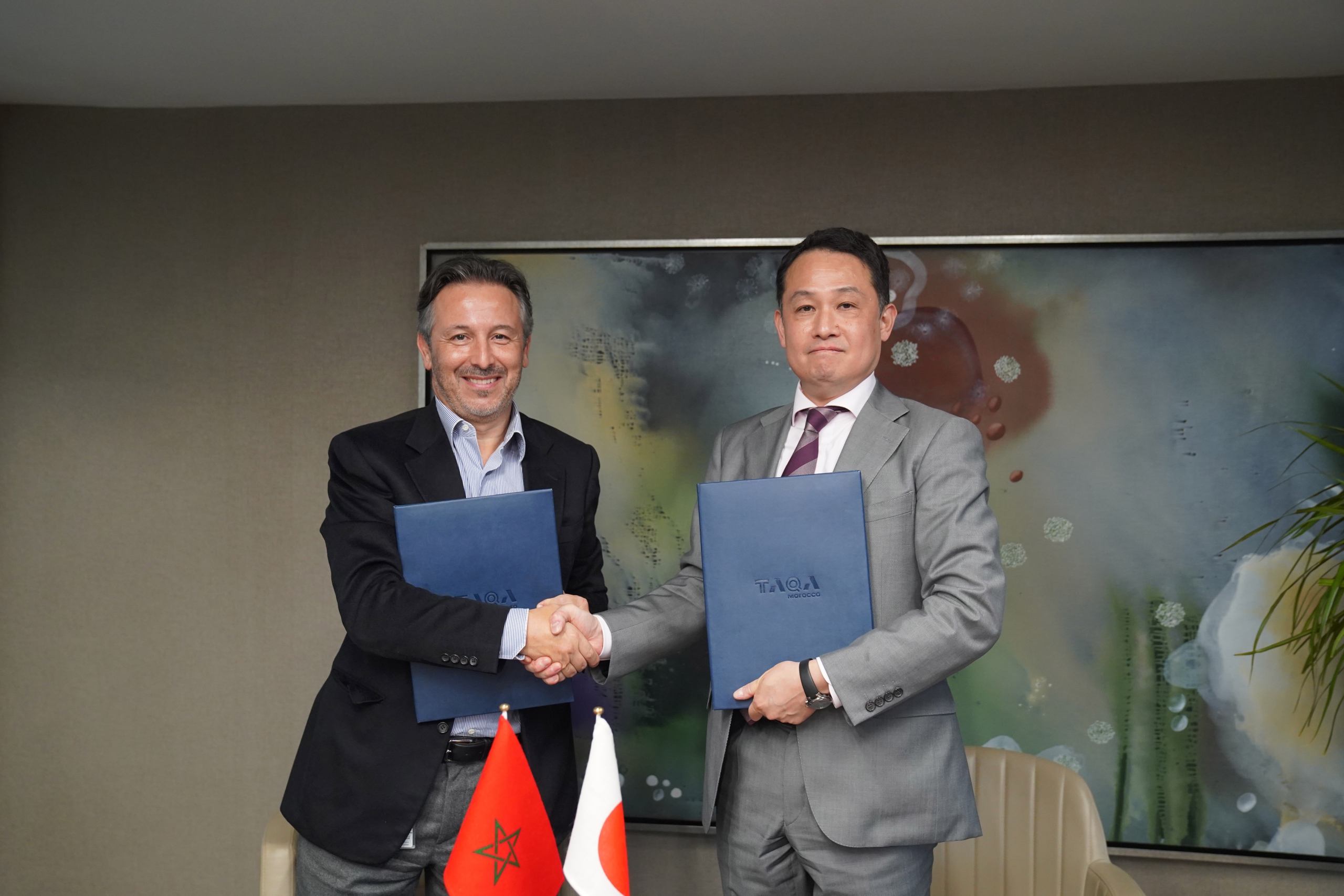
In a significant move for the North African energy sector, Taqa Morocco and the Japan Bank for International Cooperation (JBIC) have officially signed a Memorandum of Understanding (MoU). This agreement establishes a framework to explore financing opportunities for a wide-ranging portfolio of sustainable energy infrastructure, water desalination, and utility projects that the Moroccan group aims to bring online by 2030.

The partnership comes at a critical time as Morocco seeks to solidify its position as a regional leader in the green energy transition. By aligning with JBIC, Taqa Morocco gains a powerful financial ally to support its long-term strategy of industrial modernization and environmental stewardship.

Financing a Decarbonized Future

The core objective of the MoU is to facilitate JBIC’s participation in funding projects that will allow Taqa Morocco to diversify its operations and aggressively decarbonize its energy portfolio. As the global shift away from carbon-intensive power accelerates, this collaboration provides Taqa Morocco with access to competitive financing terms and tailored repayment schedules. These financial tools are essential for the rapid implementation of large-scale projects that are crucial to strengthening the country’s energy and water security while supporting overall economic growth.

The agreement is not merely about capital; it is about strategic alignment with the national roadmap for sustainable development. By focusing on low-carbon solutions, the partnership ensures that Morocco’s industrial sector remains competitive in a global market that increasingly prioritizes green supply chains.

Strengthening Global and Regional Strategic Ties

The collaboration also carries significant weight on the international stage, reinforcing the trilateral relationship between Morocco, Japan, and the UAE. Hiroyuki Suzuki, General Manager of JBIC’s New Energy and Power Finance Department II, emphasized the broader impact of this agreement.

“Strengthening JBIC’s partnership with Taqa Morocco will consolidate bilateral relations between Japan and Morocco and support the activities of Japanese companies in the Kingdom,” Suzuki stated. He further noted that JBIC aims to foster enhanced strategic collaboration on energy security across the MENA region, utilizing the advanced technological solutions offered by Japanese firms to address complex infrastructure challenges.

A Proven Track Record of Success

This new chapter builds on a foundation of successful past cooperation. Abdelmajid Iraqui Houssaini, CEO and Chairman of Taqa Morocco, highlighted the significance of JBIC’s historical involvement in the Moroccan energy landscape. He specifically pointed to the bank's role in the $1.4 billion multi-currency financing for the construction of the Jorf Lasfar 5 and 6 power plants, a landmark project that demonstrated JBIC’s deep understanding of the local market and its capacity for handling complex, high-value transactions.

"Taqa Morocco is on the right track to sustainably transform its energy production capacities in order to reduce its carbon intensity and support the climate roadmap and industrial competitiveness of the Kingdom of Morocco," Houssaini remarked. He added that JBIC’s experience and continued contribution would be a "major asset" as the company navigates its transition toward a more sustainable operational model.

Powering the Kingdom’s Green Renaissance

As Morocco continues to pursue its ambitious climate objectives, this collaboration is expected to be a primary driver in the expansion of the nation’s infrastructure. The deal marks a milestone in the strategic partnership between Japanese investors and Moroccan enterprises, ensuring that the Kingdom’s energy and water networks are prepared for the demands of the next decade. By combining Japanese financial expertise with Taqa Morocco’s local operational strength, the partnership is set to deliver a more resilient and sustainable energy future for the region.

RELATED POSTS

August 28, 2026
Article

Argentina’s Mining Exports Jump 74.4% in Early 2026

Argentina’s mining exports rose 74.4% to US$4.742 billion in early 2026, led by gold, silver and rapidly expanding lithium production. The next challenge is to turn this growth into an integrated Andean mining platform through better infrastructure, Pacific access and cross-border cooperation.
August 27, 2026

Phosphates Come Home: What OCP's $450 Million Louisiana Bet Means for US Food Security and Moroccan Industrial Strategy

27 August 2026, London (The Net-Zero Circle by IN-VR) — Morocco's OCP Group and CHS Inc., the largest farmer-owned cooperative in the US, have announced a joint venture to build a $450 million phosphate fertilizer plant in Louisiana, the first facility of its kind constructed in the United States since 1984. With a capacity of over 1 million tons per year, the project aims to cut US reliance on imports, which currently cover roughly 40% of the nation's phosphate fertilizer needs.
August 28, 2026
Article

Argentina’s RIGI Unlocks Critical-Minerals Investment

Argentina’s RIGI framework is making large-scale critical-minerals projects more investable and predictable. Copper now represents the largest share of approved mining investment, while lithium remains a major growth opportunity. The wider opportunity includes energy, infrastructure, processing, technology, finance, logistics and other services.