6
•
Ibtissam El Assad

Armenia at the Crossroads: Strategic Resources and Sustainable Development

AN EXCLUSIVE INTERVIEW WITH:

Armenia at the Crossroads: Strategic Resources and Sustainable Development

‍

A Small Nation with Global Impact

In the unfolding story of global energy transition and supply chain resilience, even small nations are emerging as pivotal players. Armenia, a landlocked country in the South Caucasus may not boast vast oil fields or sprawling industrial hubs, yet it sits at the intersection of geography, geology, and governance in ways that matter profoundly to the world.

Rich in copper, molybdenum, gold, and with promising signs of rare earth elements (REEs), Armenia offers more than mineral wealth. It represents a pathway to greater diversification of supply chains, responsible development in critical sectors, and a bridge between continents. As global economies seek secure, sustainable partners, Armenia presents a compelling value proposition: stability, resources, and reform‑driven ambition.

‍

A Bridge Between Continents

Armenia’s location at the crossroads of Europe, Asia, and the Middle East gives it a unique positioning as a connective hub.

Trade Corridors: With new transport initiatives extending across Eurasia, Armenia can become a vital link for the movement of critical raw materials.

Gateway Potential: Situated between the EU, Central Asia, and emerging Middle Eastern markets, Armenia offers logistical value for both East–West and North–South trade flows.

Regional Stability: A strong and prosperous Armenia contributes to the balance and economic security of a region where energy, trade, and connectivity intersect.

Far from being peripheral, Armenia’s geography turns it into a strategic hinge in a multipolar world economy.

Armenia’s Untapped Advantage

Armenia’s mining legacy runs deep, with copper and molybdenum already central to its industrial output. Yet what elevates Armenia’s relevance is its emerging profile in critical minerals and rare earths, the essential inputs for the clean energy future.

Geological Promise: At the Kajaran and Teghut mines, valuable byproducts like rhenium and rare earth traces have already surfaced. The Abovyan ore field has identified deposits of neodymium and lanthanum  indispensable for EV batteries and wind turbines.

Byproduct Pathways: With established copper and molybdenum operations, Armenia can pursue rare earth recovery through byproduct extraction lowering costs and environmental impact.

Global Supply Chain Value: Today, over 80% of rare earth processing is controlled by one country. Armenia can help reduce over‑dependence by becoming a trusted partner in diversified supply chains, aligning with Western, Asian, and regional markets seeking resilience.

In the era of electrification, green technologies, and digital infrastructure, Armenia’s geology places it firmly on the map of materials that power the future.

‍

Why Armenia Appeals to Global Partners

Beyond resources, Armenia matters because it is pursuing reforms, responsibility, and alignment with global norms:

Governance Modernization: Work is underway to adopt international geological reporting standards like JORC and NI 43‑101, making Armenian reserves more transparent and bankable.

Transparency: Membership in the Extractive Industries Transparency Initiative (EITI) and the launch of a nationwide beneficial ownership register demonstrate commitments to good governance, accountability, and investor trust.

Sustainability Awareness: Learning from global lessons, Armenia advocates closed‑loop water systems, traceability systems, and ESG safeguards to ensure mining is carried out responsibly.

Human Capital: With a skilled engineering workforce and rich technical traditions, Armenia faces not reinvention, but adaptation, as it pivots toward advanced mineral sectors.

For partners  whether in the EU, U.S., Japan, India, or South Korea  these signals establish Armenia as not just a resource exporter, but a credible, responsible partner in long‑term supply relationships.

‍

From Frontier Market to Strategic Contributor

Armenia’s future lies not only in extracting minerals, but in embedding them within a bigger model of development:

Economic Diversification: Moving beyond copper and gold into REEs and critical minerals unlocks new revenue streams.

Job Creation: Growth in geology, advanced processing, and technology transfer can create green jobs for a younger generation.

Shared Prosperity: Mechanisms like a sovereign wealth fund, financed by mineral revenues, could reinvest into infrastructure, education, and healthcare turning finite resources into lasting national assets.

Regional Role: By actively engaging in supply chains linked to renewables, digital infrastructure, and advanced industries, Armenia can transform from a “frontier market” into a trusted link in global resilience.

‍‍

Armenia as a Pillar of Global Resilience

Why does Armenia matter globally? Because beneath its mountains are minerals the world will increasingly depend on. Because at its geographic crossroads lie trade routes that bind economies together. And because through transparency, responsibility, and ambition, Armenia is showing that small nations can shape big futures.

In a world searching desperately for critical raw materials, secure supply chains, and responsible partners, Armenia offers precisely what is needed: resources coupled with reform, tradition blended with innovation, and geography transformed into strategy.

Armenia’s story is not only about its own growth it is about global resilience, sustainable development, and the collective future of the clean energy economy. For these reasons, Armenia is more than a nation of history and heritage; it is a nation of global consequence.

‍

RELATED POSTS

October 22, 2026
•
News

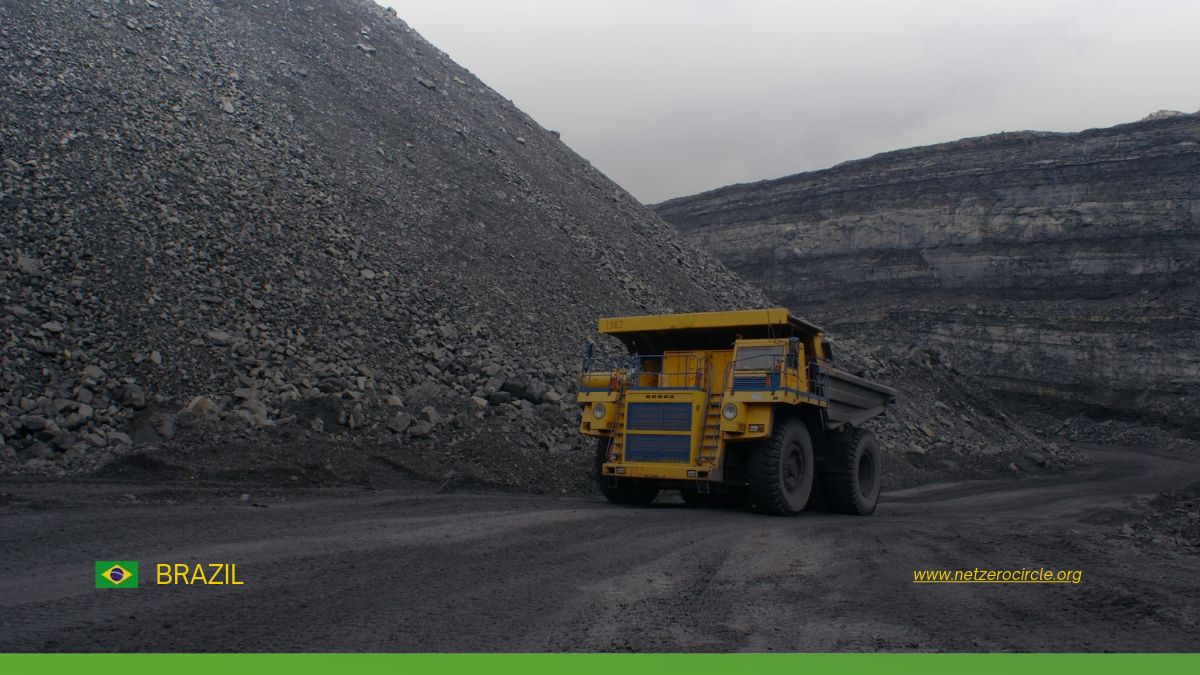
Brazilian Critical Minerals acquires 90% of Sais Nordeste to secure reagent supply for Ema rare earth project

22 October 2026, London (The Net-Zero Circle by IN-VR) Brazilian Critical Minerals (BCM) is moving upstream of its own mine to secure the reagent its rare earth project depends on. The ASX-listed company has signed a binding agreement, through its wholly owned subsidiary Mineração BBX do Brasil Ltda, to acquire a 90% stake in Sais Nordeste Indústria e Comércio Ltda, a magnesium sulphate producer in Feira de Santana, in the state of Bahia. Financial terms have not been disclosed. The deal reflects a wider shift in how rare earth developers outside China are approaching supply risk. Securing ore and refining capacity is no longer enough; the chemicals used to process that ore matter too. By bringing magnesium sulphate production under its own control in Brazil, BCM aims to cut its reliance on Chinese reagent supply chains and strengthen its position as an upstream supplier to the rare earth industry now being built in Western markets.
October 15, 2026
•
Article

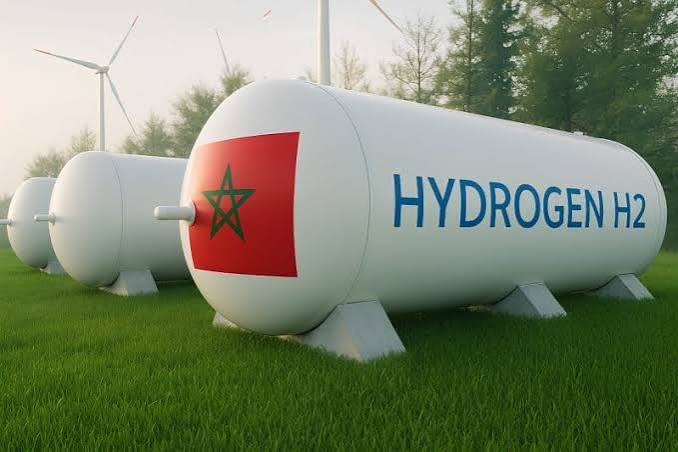
Upper Austria Turns to Morocco as Europe’s Industrial Heartland Searches for Green Hydrogen

14 October 2026, Tangier (The Net-Zero Circle by IN-VR): An Upper Austrian delegation led by Markus Achleitner and Günther Steinkellner visited Tanger Med and Moroccan industrial partners to explore green hydrogen imports and industrial cooperation. Morocco has seven hydrogen projects advancing, with around 15 GW of renewable capacity planned, as it prepares to begin exports from 2030.
September 30, 2026
•
Article

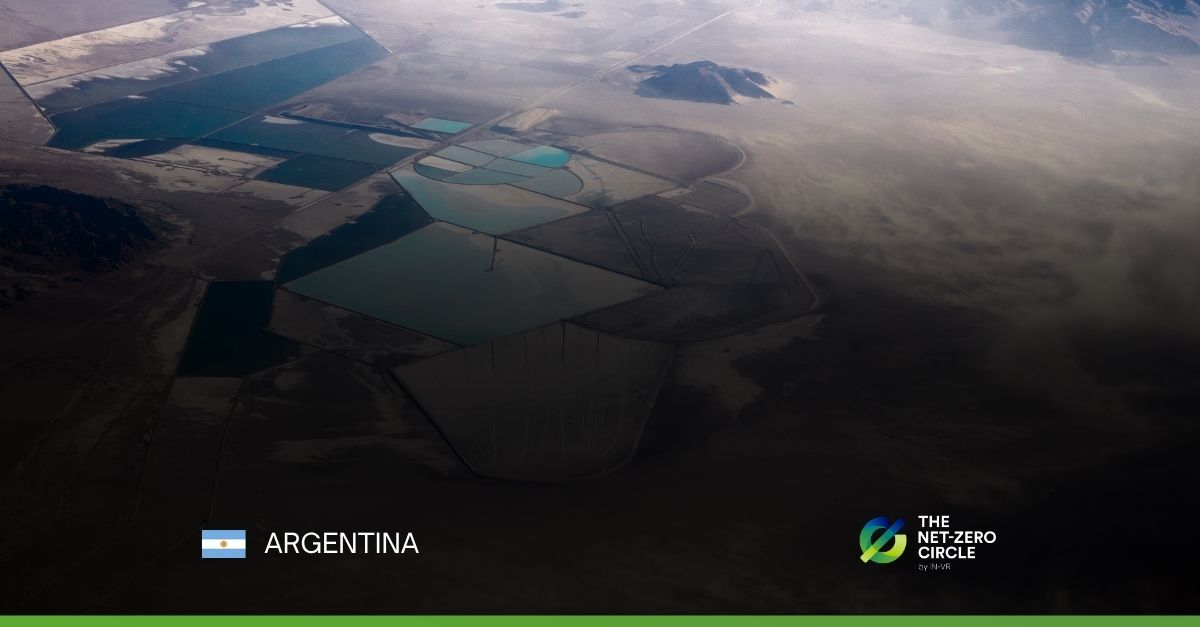
Salta’s Lithium Exports Get a 240-Tonne Boost

Salta has launched its first on-site customs facility for a lithium operation at Ganfeng’s General Güemes processing plant. The system allows lithium chloride to be consolidated, inspected and cleared for export directly at the facility. Following a 240-tonne pilot shipment, the model could help improve the efficiency, traceability and scalability of Salta’s lithium export chain.