7
•
Ibtissam El Assad

Armenia’s Energy Balancing Act: Gas Reliance, Nuclear Lifeline, and the Push to 66% Renewables by 2036

AN EXCLUSIVE INTERVIEW WITH:

Armenia’s Energy Balancing Act: Gas Reliance, Nuclear Lifeline, and the Push to 66% Renewables by 2036

‍

Armenia is reshaping its energy system at a pivotal moment for the region and for global clean energy supply chains. Landlocked and import dependent on fossil fuels, the country is pursuing a three track strategy: secure gas supplies in the near term, extend the life of its nuclear generation, and accelerate a meaningful buildout of renewables to reach 66% of power generation by 2036.

‍

Strategic context and trajectory

Energy security is pivotal for Armenia’s industrial growth and the scaling of strategic sectors like mining and downstream metals, with a cleaner, more diversified power mix reducing exposure to commodity shocks and aligning with investor and off‑taker ESG expectations. Today, imports dominate fossil supply: natural gas provides roughly 60% of total energy, largely from Russia, with additional volumes from Iran via an electricity‑for‑gas swap. Armenia also has a unique nuclear anchor, the only nuclear operation in the South Caucasus supplying about one‑quarter to one‑third of electricity in recent years; a life extension has been approved and a further extension is under consideration. Regional power trade is constrained: links with Georgia operate asynchronously, limiting volumes, while interconnections with Türkiye and Azerbaijan remain inactive for political reasons. Looking ahead to 2036, the government targets renewables at 66% of the generation mix, implying around 2,185 MW of new capacity about 950 MW solar PV, 500 MW wind, plus incremental hydropower alongside national energy‑efficiency programs backed by donor financing to curb demand growth and improve affordability.

‍

Industrial upside and market reforms to enable it

For industry and investors, a more resilient power system can enable midstream processing of copper, molybdenum, and gold, moving beyond raw ore exports; however, rapid PV and wind growth will demand grid upgrades, storage, and market reforms to integrate variable generation and facilitate seasonal swaps with neighbors. Cleaner electricity will also enhance the carbon profile of Armenian metals, supporting competitiveness amid CBAM‑like policies and green procurement mandates. Key developments to watch include nuclear life‑extension or replacement decisions and financing, PPA frameworks and auction pipelines for utility‑scale solar and wind, progress on synchronizing the Georgia interconnection and expanding trading windows, and regulatory steps to open the electricity market and incentivize storage and flexibility services.

‍
Armenia’s path to 2036 is a pragmatic balancing act: keeping the lights on with gas, maintaining a nuclear baseload, and building a renewables backbone at pace. If executed, the strategy can deliver greater energy independence, lower emissions intensity, and a stronger platform for industrial upgrading positioning Armenia as a more competitive, reliable node in regional and global value chains.

‍

RELATED POSTS

November 12, 2026
•
Article

Sahamco Unveils US$25 Billion Green Hydrogen and Ammonia Project in Dakhla

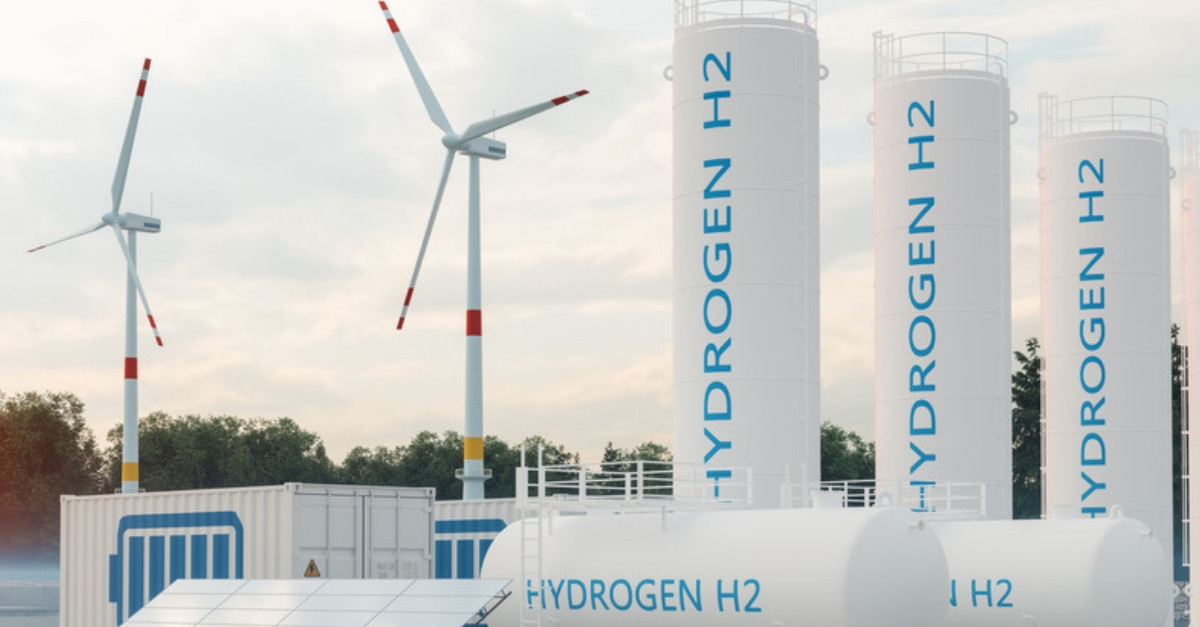
12 November 2026, London (The Net-Zero Circle) Emirati company Sahamco Holding BV has unveiled plans for a US$25 billion renewable hydrogen and ammonia project in Dakhla, in Morocco's Sahara region. It is one of the largest green molecule investments announced in the Kingdom to date. The project is designed to produce one million tonnes of renewable ammonia a year, powered by Dakhla's wind and solar resources. Sahamco says it has completed feasibility and pre-front-end engineering design (Pre-FEED) studies. Several key details, however, have not yet been made public, including the project's partners, financing structure, power capacity and construction timeline.
November 11, 2026
•
Article

Brazil Names 27 Critical and Strategic Minerals in Push to Build a Domestic Supply Chain

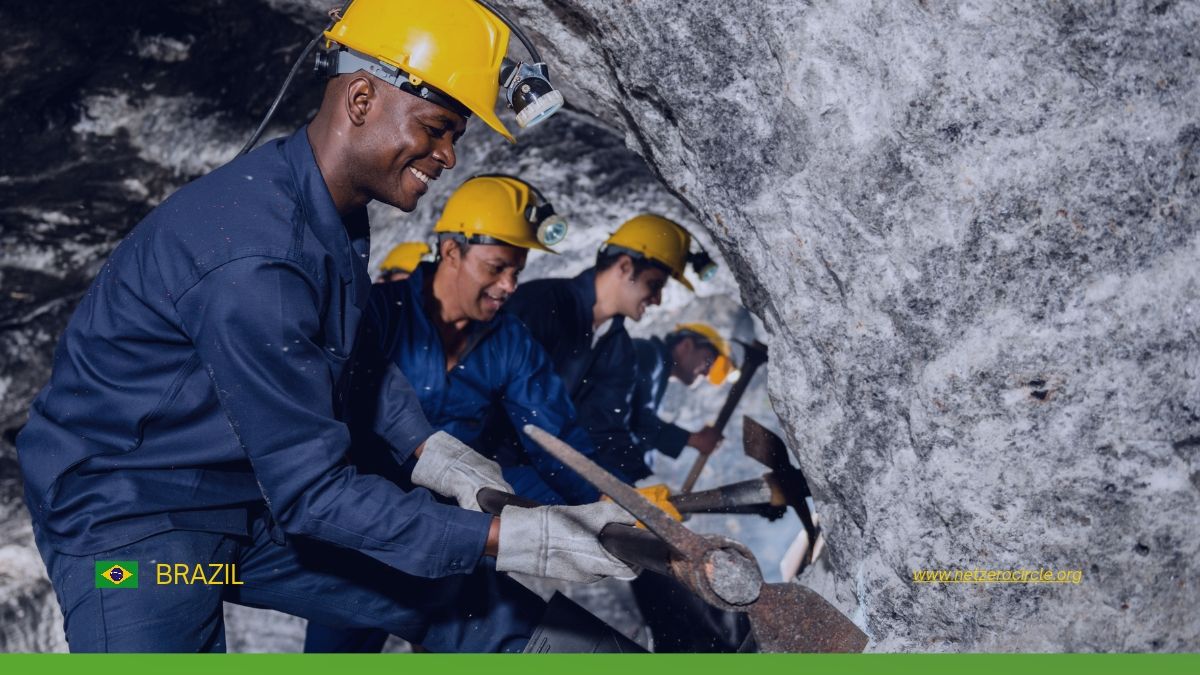
11 November 2026, London (The Net-Zero Circle) Brazil's critical minerals strategy is moving from principle to practice. The government has approved its first official list of critical and strategic minerals, naming 27 substances that will determine which projects can access new state financing as the country seeks to process more of its mineral wealth at home. The list gives investors a clearer picture of where Brasília intends to focus its support. How much it changes in practice, however, will depend on funding, on rules that are still being drafted and on the country's ability to attract private capital.
October 23, 2026
•
News

Brazilian Critical Minerals acquires 90% of Sais Nordeste to secure reagent supply for Ema rare earth project

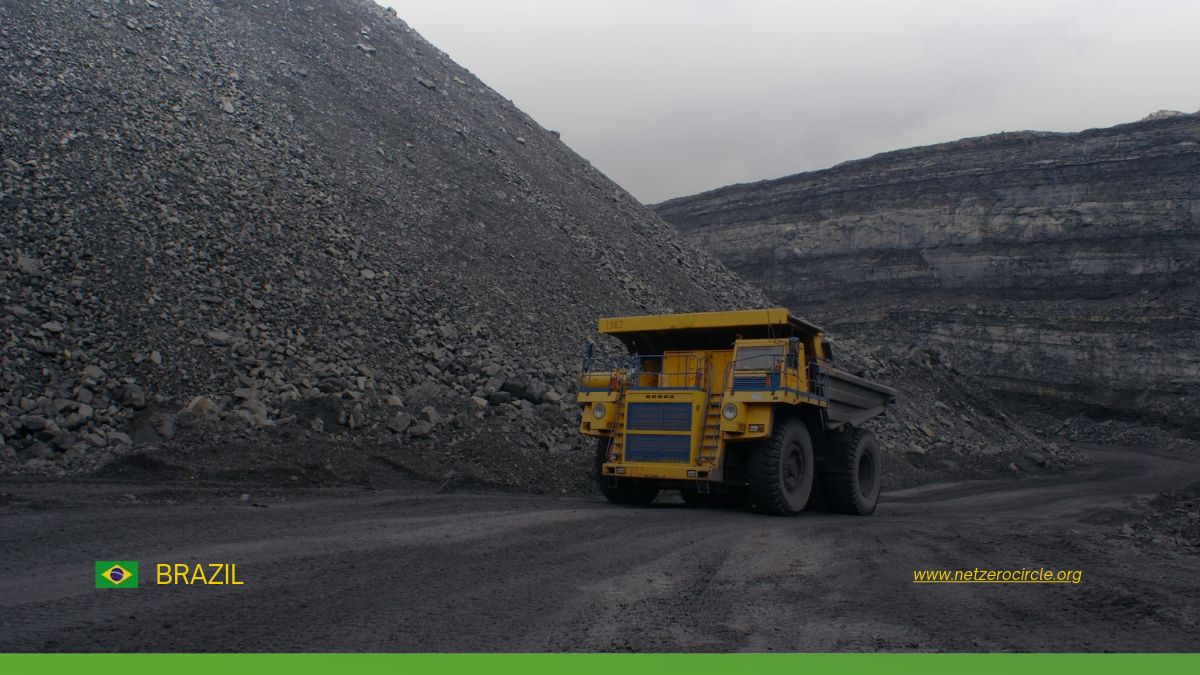
22 October 2026, London (The Net-Zero Circle by IN-VR) Brazilian Critical Minerals (BCM) is moving upstream of its own mine to secure the reagent its rare earth project depends on. The ASX-listed company has signed a binding agreement, through its wholly owned subsidiary Mineração BBX do Brasil Ltda, to acquire a 90% stake in Sais Nordeste Indústria e Comércio Ltda, a magnesium sulphate producer in Feira de Santana, in the state of Bahia. Financial terms have not been disclosed. The deal reflects a wider shift in how rare earth developers outside China are approaching supply risk. Securing ore and refining capacity is no longer enough; the chemicals used to process that ore matter too. By bringing magnesium sulphate production under its own control in Brazil, BCM aims to cut its reliance on Chinese reagent supply chains and strengthen its position as an upstream supplier to the rare earth industry now being built in Western markets.