
•

Chile Enters the Era of Electrification: From Renewable Development to Efficient Use of Megawatts

AN EXCLUSIVE INTERVIEW WITH:

From Vision to Reality: A Mature Market Looking to Take the Next Leap

Chile made a bold bet on renewables. Since the approval of Law 20.698 in 2013, which spurred the growth of clean energy, the country has achieved what many others are still drafting: an energy matrix increasingly driven by sustainability.

Today, the question is no longer how much can be generated, but how to avoid underutilisation of this capacity. Market maturity brings with it new responsibilities: optimising networks, managing intermittency, and electrifying key production sectors.

What Do We Do With These Megawatts?

Focusing solely on installing more capacity is not enough if that power cannot be connected, distributed, or consumed efficiently. Chile now faces the challenge of giving a destination to the megawatts already being produced.

  • Oversupply in certain regions and transmission system saturation have led to curtailment and economic losses.

  • Sectors such as mining, freight transport, and manufacturing hold vast potential for electrification but still require regulatory adjustments, infrastructure, and viable business models.

  • Energy storage is emerging as a key enabler but needs greater integration into planning frameworks.

Industrial and Mining Electrification: The Next Big Step

Chile is a mining powerhouse. However, many operations still rely on fossil fuels. Electrifying critical processes would not only help advance decarbonisation goals but also improve the global competitiveness of the sector.

Electrification also brings the potential to:

  • Reduce long-term operational costs,

  • Access green financing,

  • Strengthen ESG credentials with international buyers.

To move forward, it will be essential to foster partnerships between generators, mining companies, and tech providers, alongside regulatory frameworks that enable flexible contracts and blended finance.

Transmission and Storage: Urgent Bottlenecks

While Chile has developed strong generation capacity, its transmission infrastructure has not kept pace. The regions with the highest solar radiation and wind potential — mainly in the north — face significant evacuation constraints.

At the same time, the country must scale up storage solutions to ensure grid stability and reduce curtailments.

  • Transmission: More than 2,000 km of new lines are needed in the coming years, according to the National Electric Coordinator.

  • Storage: Over 2,500 MW in battery projects are under evaluation, but few have moved forward due to a lack of clear market signals.

Towards an Electric Economy: The Need for Cross-Sector Planning

The energy transition cannot be driven by the power sector alone. It requires a holistic vision that includes:

  • Mining,

  • Heavy and rail transport,

  • Industrial production,

  • The development of both digital and physical infrastructure.

Only with coordinated, multisector planning will it be possible to build a development model based on clean, affordable electricity.

Chile Energy Transition Summit 2025: The Forum to Define the Destination of Megawatts

In this new context, there is a growing need for platforms that foster dialogue and actionable outcomes. From 26–28 August 2025, Santiago will host the second edition of the Chile Energy Transition Summit, backed by the Ministries of Energy and Mining and supported by InvestChile.

The summit is the strategic forum where stakeholders will discuss the real destination of Chile’s generated megawatts: How can they power the mining sector? What kind of transmission infrastructure is needed? What storage models are viable? What financing instruments are available?

With a focus on connectivity, transmission, and electrification, the event will bring together:

  • Government representatives,

  • Power generation and transmission companies,

  • Industrial and mining firms,

  • Technology providers,

  • Investment funds and financial institutions.

It will also provide an opportunity to forge partnerships, explore concrete business opportunities, and outline Chile’s new energy roadmap.

Chile has already achieved the hardest part: generating clean energy at scale. Now the challenge is to use it well.
The era of electrification is not a promise — it is the new ground for competition, investment, and transformation.

RELATED POSTS

noviembre 16, 2026
•
Article

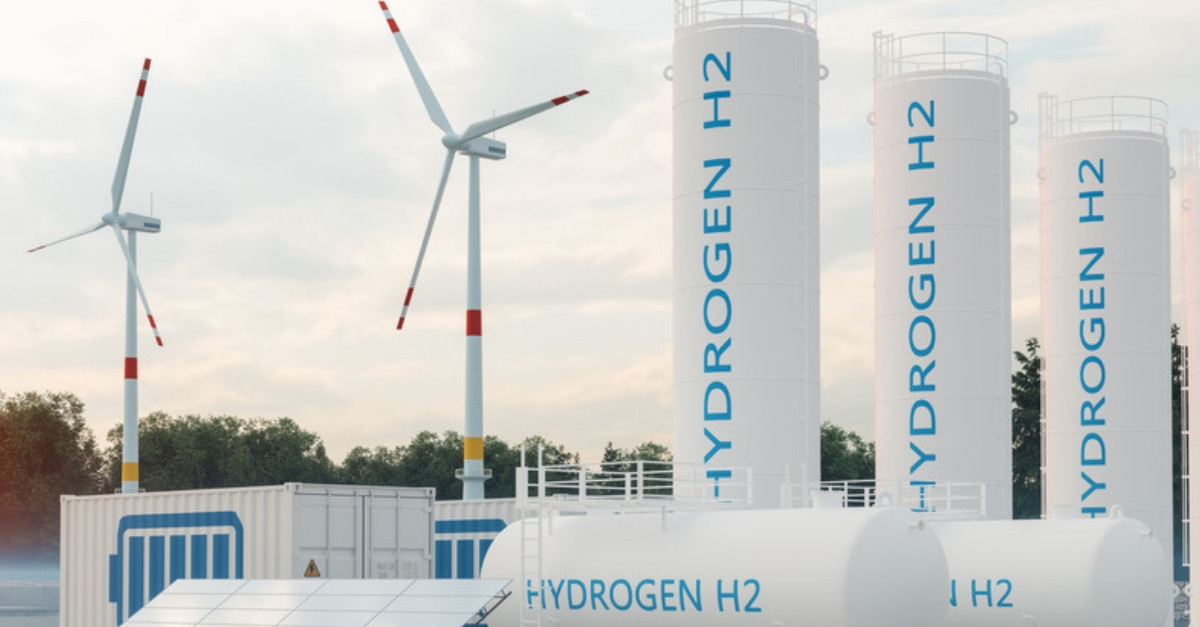
Sahamco Unveils US$25 Billion Green Hydrogen and Ammonia Project in Dakhla

12 November 2026, London (The Net-Zero Circle) Emirati company Sahamco Holding BV has unveiled plans for a US$25 billion renewable hydrogen and ammonia project in Dakhla, in Morocco's Sahara region. It is one of the largest green molecule investments announced in the Kingdom to date. The project is designed to produce one million tonnes of renewable ammonia a year, powered by Dakhla's wind and solar resources. Sahamco says it has completed feasibility and pre-front-end engineering design (Pre-FEED) studies. Several key details, however, have not yet been made public, including the project's partners, financing structure, power capacity and construction timeline.
noviembre 16, 2026
•
Article

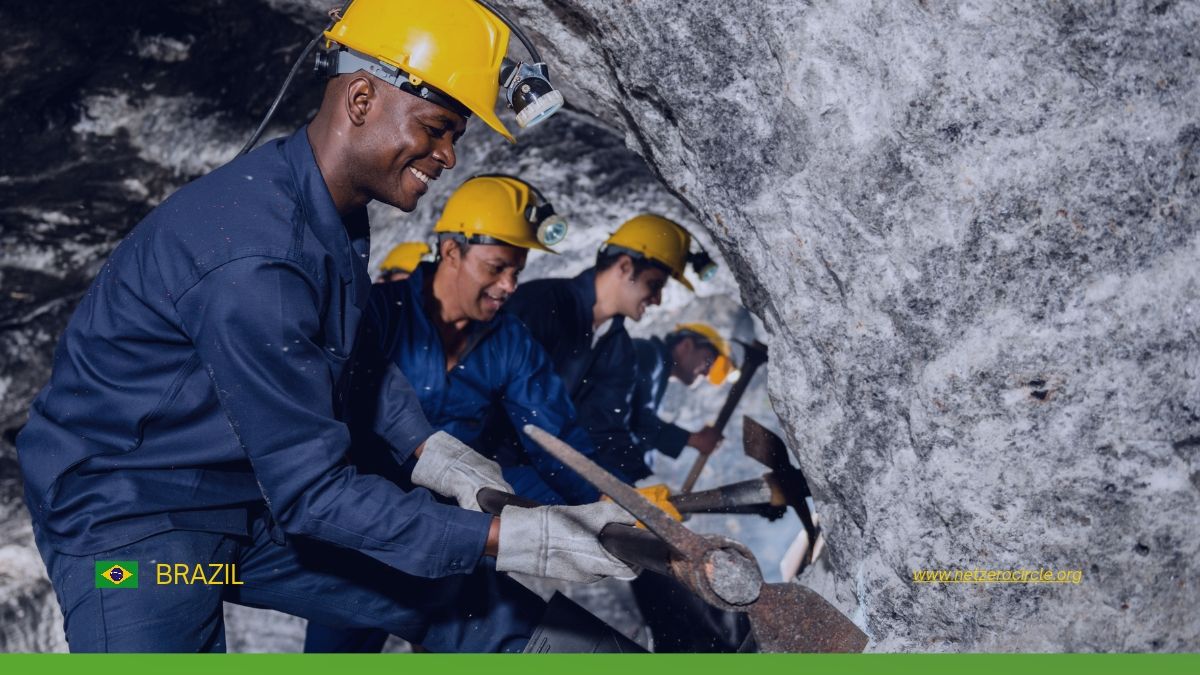
Brazil Names 27 Critical and Strategic Minerals in Push to Build a Domestic Supply Chain

11 November 2026, London (The Net-Zero Circle) Brazil's critical minerals strategy is moving from principle to practice. The government has approved its first official list of critical and strategic minerals, naming 27 substances that will determine which projects can access new state financing as the country seeks to process more of its mineral wealth at home. The list gives investors a clearer picture of where Brasília intends to focus its support. How much it changes in practice, however, will depend on funding, on rules that are still being drafted and on the country's ability to attract private capital.
octubre 23, 2026
•
News

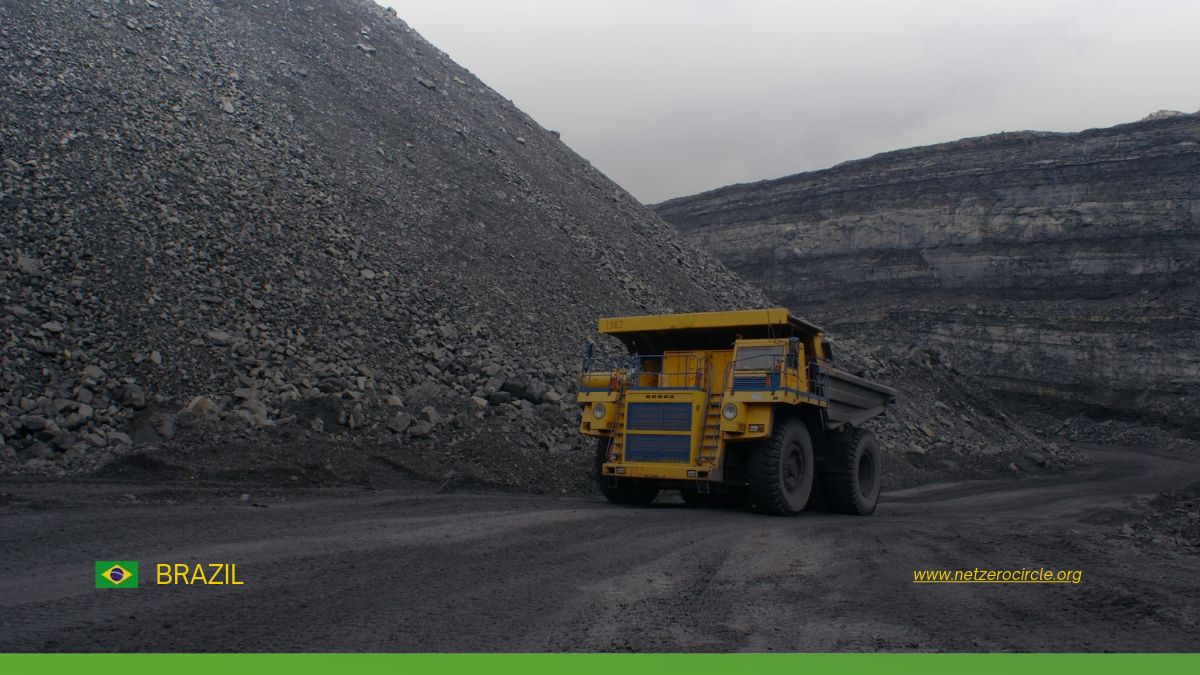
Brazilian Critical Minerals acquires 90% of Sais Nordeste to secure reagent supply for Ema rare earth project

22 October 2026, London (The Net-Zero Circle by IN-VR) Brazilian Critical Minerals (BCM) is moving upstream of its own mine to secure the reagent its rare earth project depends on. The ASX-listed company has signed a binding agreement, through its wholly owned subsidiary Mineração BBX do Brasil Ltda, to acquire a 90% stake in Sais Nordeste Indústria e Comércio Ltda, a magnesium sulphate producer in Feira de Santana, in the state of Bahia. Financial terms have not been disclosed. The deal reflects a wider shift in how rare earth developers outside China are approaching supply risk. Securing ore and refining capacity is no longer enough; the chemicals used to process that ore matter too. By bringing magnesium sulphate production under its own control in Brazil, BCM aims to cut its reliance on Chinese reagent supply chains and strengthen its position as an upstream supplier to the rare earth industry now being built in Western markets.