•
Olivia Martin y Herrera

Latin America and the Caribbean: The Next Prime Destination for Energy Investment

AN EXCLUSIVE INTERVIEW WITH:

Latin America and the Caribbean: A Region Brimming with Energy Potential

The International Energy Agency (IEA) identified Latin America and the Caribbean as crucial to the global energy transition. Remarkably, around 60% of the region’s electricity comes from renewable sources - twice the global average. Countries like Brazil, Mexico, Chile, and Argentina are world leaders in wind energy while also making impressive strides in biofuels and low-emission hydrogen. As Fatih Birol, IEA Executive Director, puts it, “Latin America and the Caribbean have the potential to play a key role in the global energy economy.”

Global Push for Renewable Energy

A coalition of over 60 countries, led by the EU, US, and UAE, is advocating to triple renewable energy capacity by 2030 and phase out coal. This ambitious commitment also includes doubling the rate of energy efficiency improvements and halting funding for new coal-fired power plants. Several nations, including Nigeria, South Africa, Vietnam, Australia, and Chile, have signed on, a clear signal that the region is setting the tone for a global shift towards clean energy.

Key Developments in Global Energy

Around the world, exciting developments are taking shape. Africa is set to receive $35 billion in investments for its geothermal sector by 2050 in recognition of the continent’s growing energy requirements. Kenya is emerging as a potential leader in carbon capture and storage, while Namibia is constructing Africa’s first green hydrogen iron plant. In Europe, there’s a push for more unified fiscal incentives and a common market to enhance industrial competitiveness and support the eco-friendly transition.

The Cuba Energy Summit: Your Gateway to Investment in Latin America and the Caribbean

The Cuba Energy Summit, happening from December 4th to 6th, 2024, in Havana, is the perfect opportunity for investors, service providers, and industry leaders to dive deep into the energy markets of Latin America and the Caribbean. Co-organised by CUPET and the Cuban Ministry of Energy and Mines, this summit sees the gathering of the most influential people from Cuba’s energy sector to provide valuable insights for those looking to take advantage of this growing market.

Participants will have the chance to meet and engage with top decision-makers, including HE Vicente de la O'Levy, Minister of the Ministry of Energy and Mines; Rosell Guerra Campaña, Director of Renewable Energy; and Néstor Pérez Franco, General Director of CUPET. The event will cover a wide range of topics, from exploration and production to LNG and refinery operations, and will explore what Cuba and the region need from partners in these sectors.

With over 150 attendees expected, the Cuba Energy Summit will be the first strategic opportunity for those looking to invest in Cuba’s energy projects, and they may very well be pleasantly surprised at what’s on offer from the Cuban government. The summit offers exceptional networking opportunities as well, with over 20 hours of workshops complemented by roundtable discussions, and the kind social events that high-flying executives have come to expect.

As Latin America and the Caribbean undergo significant changes in their energy sectors, now is the time to get involved. By tapping into the region’s vast resources and connecting with its key decision-makers, investors can gain a foothold in one of the most promising energy markets. Don’t miss this chance to be part of the region’s energy future.

RELATED POSTS

noviembre 16, 2026
•
Article

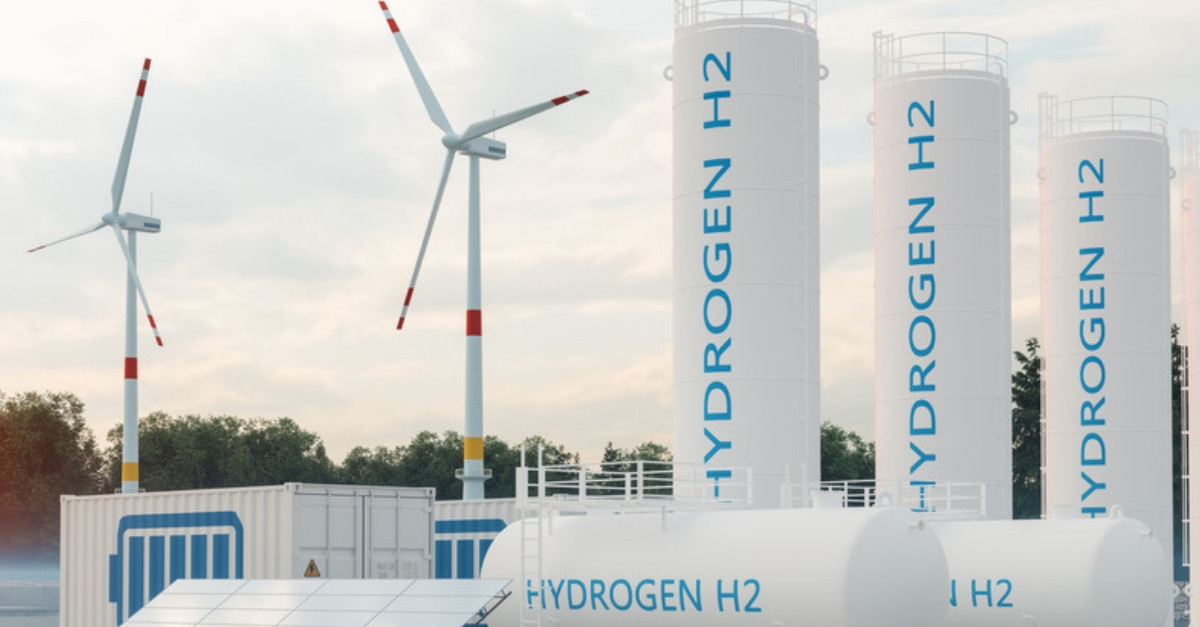
Sahamco Unveils US$25 Billion Green Hydrogen and Ammonia Project in Dakhla

12 November 2026, London (The Net-Zero Circle) Emirati company Sahamco Holding BV has unveiled plans for a US$25 billion renewable hydrogen and ammonia project in Dakhla, in Morocco's Sahara region. It is one of the largest green molecule investments announced in the Kingdom to date. The project is designed to produce one million tonnes of renewable ammonia a year, powered by Dakhla's wind and solar resources. Sahamco says it has completed feasibility and pre-front-end engineering design (Pre-FEED) studies. Several key details, however, have not yet been made public, including the project's partners, financing structure, power capacity and construction timeline.
noviembre 16, 2026
•
Article

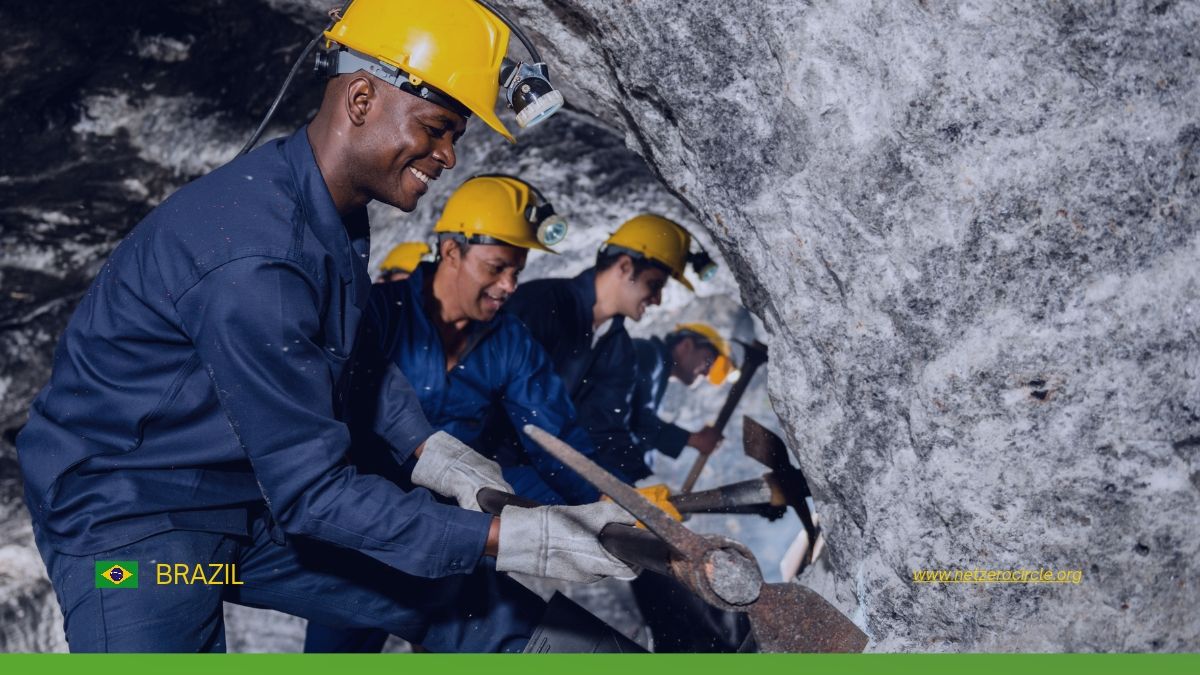
Brazil Names 27 Critical and Strategic Minerals in Push to Build a Domestic Supply Chain

11 November 2026, London (The Net-Zero Circle) Brazil's critical minerals strategy is moving from principle to practice. The government has approved its first official list of critical and strategic minerals, naming 27 substances that will determine which projects can access new state financing as the country seeks to process more of its mineral wealth at home. The list gives investors a clearer picture of where Brasília intends to focus its support. How much it changes in practice, however, will depend on funding, on rules that are still being drafted and on the country's ability to attract private capital.
octubre 23, 2026
•
News

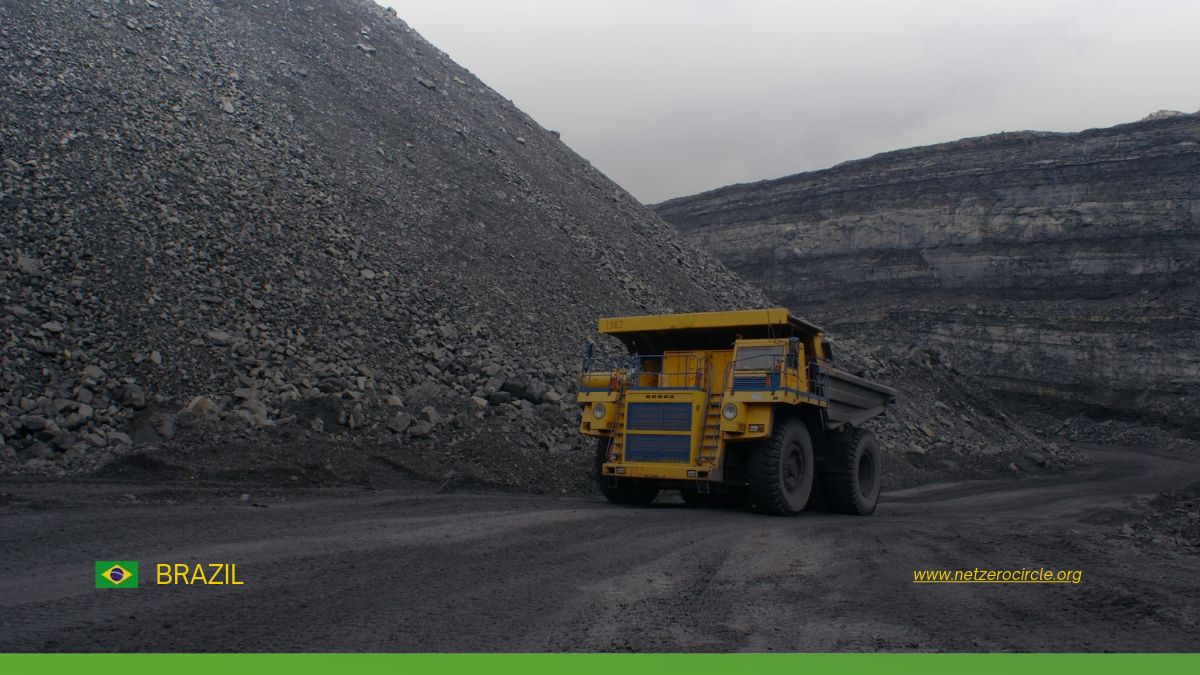
Brazilian Critical Minerals acquires 90% of Sais Nordeste to secure reagent supply for Ema rare earth project

22 October 2026, London (The Net-Zero Circle by IN-VR) Brazilian Critical Minerals (BCM) is moving upstream of its own mine to secure the reagent its rare earth project depends on. The ASX-listed company has signed a binding agreement, through its wholly owned subsidiary Mineração BBX do Brasil Ltda, to acquire a 90% stake in Sais Nordeste Indústria e Comércio Ltda, a magnesium sulphate producer in Feira de Santana, in the state of Bahia. Financial terms have not been disclosed. The deal reflects a wider shift in how rare earth developers outside China are approaching supply risk. Securing ore and refining capacity is no longer enough; the chemicals used to process that ore matter too. By bringing magnesium sulphate production under its own control in Brazil, BCM aims to cut its reliance on Chinese reagent supply chains and strengthen its position as an upstream supplier to the rare earth industry now being built in Western markets.