5 min
•
Alberto Cruz

Mongolia: The Next Global Mining Hub for the Energy Transition

AN EXCLUSIVE INTERVIEW WITH:

As the global race to secure critical minerals intensifies, Mongolia is quietly positioning itself as a formidable force in the mining sector. Rich in copper, uranium, rare earth elements, gold, coal, and other essential commodities, the country is one of the last untapped mining frontiers in the world. With only 30% of its territory geologically surveyed and just 1% of land licensed for exploration, the upside potential remains vast.

Mongolia's mining industry already contributes 27.3% to national GDP, 93% of total exports, and 81% of all foreign direct investment. Yet, what’s most compelling is the national commitment to harness this potential through infrastructure, reform, and strategic cooperation.

‍

A Strategic Gateway to Asia

Mongolia’s geography places it at a logistical and economic crossroads. Bordered by China to the south and Russia to the north, the country is a bridge between two of the world’s largest industrial economies. For international mining operators, this presents unparalleled access to markets hungry for energy transition materials.

Mongolia’s proximity to China—responsible for over 60% of global mineral refining—gives suppliers immediate logistical advantages and reduced transport costs. At the same time, emerging rail corridors and cross-border trade routes (such as Tavantolgoi–Gashuunsukhait and the China–Mongolia–Russia economic corridor) are modernising the country’s trade infrastructure, making exports faster and more efficient.

‍

An Abundance of Untapped Resources

Mongolia holds substantial reserves of:

  • Copper (24.8 million tonnes)
  • Coal (33.2 billion tonnes)
  • Gold (2,080 tonnes)
  • Uranium (62,100 tonnes)
  • Rare Earth Elements (16.2 million tonnes)

‍

‍
This abundance of minerals places Mongolia among the top prospective suppliers of materials critical to the clean energy transition. For international industries, this means long-term supply security and access to a diversified resource base, while for Mongolia, it represents an opportunity to drive sustainable development, industrial diversification, and fiscal independence.

‍

Industrial Megaprojects Underway

The Government of Mongolia is accelerating value-added processing and industrialisation through nationally significant projects:

  • Tavan Tolgoi Coal-Washing Plant (Completed Q4 2023): With a processing capacity of 10 million tonnes/year, this facility increases coal export revenue by enabling direct shipment of washed coal to China and reduces transport burdens.
  • Copper Concentrate Smelting Plant (Under Construction, Commissioning in 2026): Located in Khanbogd, this $1 billion facility will refine 1 million tonnes of concentrate annually, reducing reliance on exports of raw material and boosting national revenue.
  • Gold Refining Plant (Operational since 2020): Now capable of refining up to 25 tonnes of gold per year, this initiative helps Mongolia retain more value from its precious metals production.
  • Uranium Development (Zuunbayan & Dornod projects): Mongolia is one of the few Asian countries with advanced uranium extraction capabilities. Collaboration with international nuclear agencies is laying the foundation for future nuclear fuel exports.

‍

Enabling Reforms & Investor Confidence

To ensure long-term investor engagement, the Government of Mongolia has introduced a package of enabling reforms:

  • Geological Database Expansion: The state is financing the completion of a national geological survey and online database covering 12 geochemical maps and 26 geophysical zones.
  • Digital Licensing System: Mongolia has introduced an e-licensing platform (Egazar.gov.mn) to simplify the process of acquiring and renewing mining licenses.
  • Mining Commodity Exchange (2023): A new centralized platform to ensure price transparency and access for international buyers. More than 1 million tonnes of coal were sold within the first few months of operation.
  • Tax Incentives & Legal Stability: The Mineral Resources Law ensures tax stability for 10 years and offers customs and VAT exemptions for imported equipment used in production.

These reforms have already attracted over 200 active mining licenses granted to foreign operators.

‍

A National Push Towards Sustainability

The Mongolian Government has launched a series of sustainability initiatives to align its growth with environmental stewardship:

  • Green Development Policy (2014–2030): A long-term roadmap targeting clean production, eco-efficient technology adoption, and mine rehabilitation.
  • “Billion Trees” National Movement: A government-backed programme for nationwide reforestation, partially funded by mining royalties.
  • Mine Rehabilitation Fund: Mandatory contributions from mining companies now support post-closure rehabilitation projects on state land.
  • ESG Guidelines for License Holders: Issued in 2022, these guidelines require public reporting on environmental and social impacts.

‍

Mongolia is also an active participant in global dialogues, including the Extractive Industries Transparency Initiative (EITI) and climate finance forums.

‍

Conclusion

Mongolia’s mining industry is at a pivotal moment. With abundant resources, growing global relevance, and an ambitious national agenda, the country is positioning itself not just as a producer—but as a partner in shaping the future of responsible, secure, and strategic mineral supply. As global demand intensifies, Mongolia stands ready to lead.

‍

RELATED POSTS

noviembre 16, 2026
•
Article

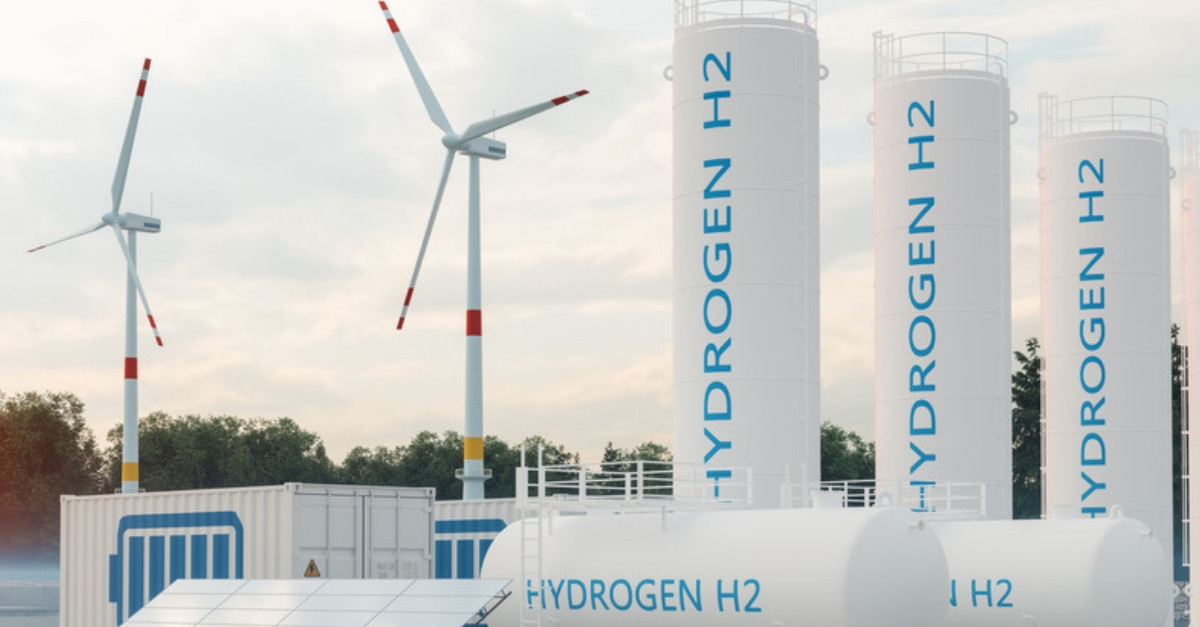
Sahamco Unveils US$25 Billion Green Hydrogen and Ammonia Project in Dakhla

12 November 2026, London (The Net-Zero Circle) Emirati company Sahamco Holding BV has unveiled plans for a US$25 billion renewable hydrogen and ammonia project in Dakhla, in Morocco's Sahara region. It is one of the largest green molecule investments announced in the Kingdom to date. The project is designed to produce one million tonnes of renewable ammonia a year, powered by Dakhla's wind and solar resources. Sahamco says it has completed feasibility and pre-front-end engineering design (Pre-FEED) studies. Several key details, however, have not yet been made public, including the project's partners, financing structure, power capacity and construction timeline.
noviembre 16, 2026
•
Article

Brazil Names 27 Critical and Strategic Minerals in Push to Build a Domestic Supply Chain

11 November 2026, London (The Net-Zero Circle) Brazil's critical minerals strategy is moving from principle to practice. The government has approved its first official list of critical and strategic minerals, naming 27 substances that will determine which projects can access new state financing as the country seeks to process more of its mineral wealth at home. The list gives investors a clearer picture of where Brasília intends to focus its support. How much it changes in practice, however, will depend on funding, on rules that are still being drafted and on the country's ability to attract private capital.
octubre 23, 2026
•
News

Brazilian Critical Minerals acquires 90% of Sais Nordeste to secure reagent supply for Ema rare earth project

22 October 2026, London (The Net-Zero Circle by IN-VR) Brazilian Critical Minerals (BCM) is moving upstream of its own mine to secure the reagent its rare earth project depends on. The ASX-listed company has signed a binding agreement, through its wholly owned subsidiary Mineração BBX do Brasil Ltda, to acquire a 90% stake in Sais Nordeste Indústria e Comércio Ltda, a magnesium sulphate producer in Feira de Santana, in the state of Bahia. Financial terms have not been disclosed. The deal reflects a wider shift in how rare earth developers outside China are approaching supply risk. Securing ore and refining capacity is no longer enough; the chemicals used to process that ore matter too. By bringing magnesium sulphate production under its own control in Brazil, BCM aims to cut its reliance on Chinese reagent supply chains and strengthen its position as an upstream supplier to the rare earth industry now being built in Western markets.