•

Exclusive interview with Bioliza: transforming biomass into opportunity for Cuba’s energy transition

AN EXCLUSIVE INTERVIEW WITH:
José Antonio La Cal Herrera, Founding Partner of Bioliza

Could you tell us more about the work Bioliza is carrying out in Cuba together with UNIDO, and what impact you expect it to have on the country?

We are collaborating, together with a national consultant (I act as the international consultant), on preparing the project memorandum for the implementation of new business models in the country related to the circular economy and decarbonisation. Currently, as I mentioned, we are in an initial drafting stage of what is called the PIF, which will be submitted to various international funding bodies with the aim of executing the project in the coming years. The initial idea is to work across three areas — biomaterials, waste, and bioenergy — developing new value chains in key sectors such as tourism and industry, so that the country can move toward a more sustainable and low-emission energy mix.

‍

From your experience, what opportunities does biomass offer to move towards a cleaner and more sustainable energy matrix in Cuba?‍

Cuba is a country with a high biomass potential, coming from agricultural, livestock, forestry, and agro-industrial sectors, which must be properly recovered and utilised in an organised and planned way to generate renewable energy that contributes to diversifying the national energy matrix — and, above all, to reducing the import of fossil sources. This will make the country not only more sustainable, but also more independent and secure.

To achieve this, it is essential to develop initiatives such as this one from UNIDO, which bring together universities and research centres with private, public, and state-owned companies, allowing for the take-off and scaling of technologies so they can reach all involved sectors. A clear example is the sugar mills, which have used bagasse to generate their own thermal — and in some cases, electrical — energy, under truly circular models.

‍

The project places a strong focus on SMEs. Why do you believe they are essential to the development of bioenergy, and how can their participation be strengthened?‍

The role of the emerging Cuban private sector is essential, since all initiatives developed within the framework of the project must be implemented by private companies. However, we are also working with state-owned and joint-venture enterprises, as well as university start-ups — particularly from public universities such as CUJAE. The involvement of the public sector is also very important for all aspects related to training, regulation, and support.

‍

Bioliza operates across different countries and contexts. Which lessons or experiences do you think could be most valuable when applied to the Cuban case?‍

On the one hand, South America has enormous biomass potential and both the public and private sectors show great interest in developing it properly, so that the progressive contribution of bioenergy remains sustainable over time and generates employment and wealth in the territories where it is produced — mainly in rural areas.

On the other hand, the talent of human resources and the strong eagerness to learn from experiences and solutions developed elsewhere, such as in Europe, are noteworthy. I would like to emphasise how important education and awareness are in all energy fields, but especially in this one, given the widespread lack of knowledge at all levels about the technologies that can transform biomass into biomaterials, bioenergy, and other high-value products such as biomethane, biohydrogen, or biochar, among others.

‍

How do you envision Bioliza’s work evolving in the coming years, particularly in Latin America? What role do you think international cooperation will play in that expansion?‍

Latin America is an excellent market for Bioliza, for all the reasons I have just mentioned. Taking advantage of European experience in regulatory, technological, and training aspects is key to promoting the development of biomass and bioenergy in many Latin American countries, which possess enormous biomass potential and are committed to more sustainable energy models based on low-carbon technologies.

We have worked in Chile, Guatemala, the Dominican Republic, Bolivia, and Colombia, and the experience has been very positive. We hope to continue strengthening ties and relationships with public institutions and companies, supporting them in their energy transition by sharing our experience and helping to avoid the mistakes that have already been made.

‍

ARTICLES CONNEXES

November 12, 2026
•
Article

Sahamco Unveils US$25 Billion Green Hydrogen and Ammonia Project in Dakhla

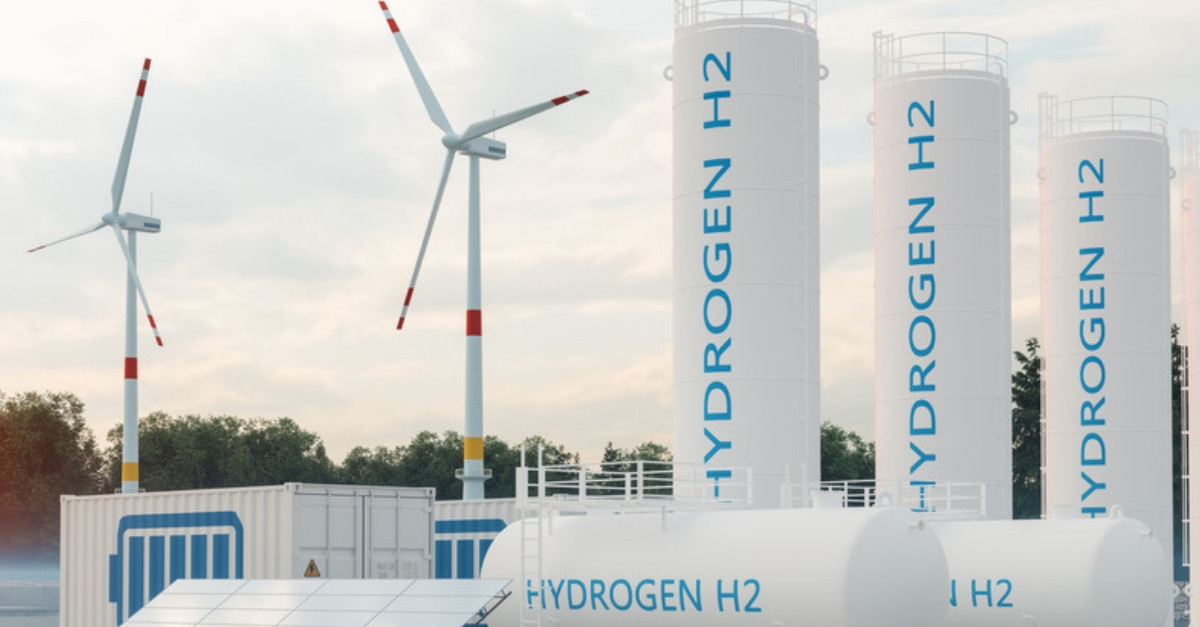
12 November 2026, London (The Net-Zero Circle) Emirati company Sahamco Holding BV has unveiled plans for a US$25 billion renewable hydrogen and ammonia project in Dakhla, in Morocco's Sahara region. It is one of the largest green molecule investments announced in the Kingdom to date. The project is designed to produce one million tonnes of renewable ammonia a year, powered by Dakhla's wind and solar resources. Sahamco says it has completed feasibility and pre-front-end engineering design (Pre-FEED) studies. Several key details, however, have not yet been made public, including the project's partners, financing structure, power capacity and construction timeline.
November 11, 2026
•
Article

Brazil Names 27 Critical and Strategic Minerals in Push to Build a Domestic Supply Chain

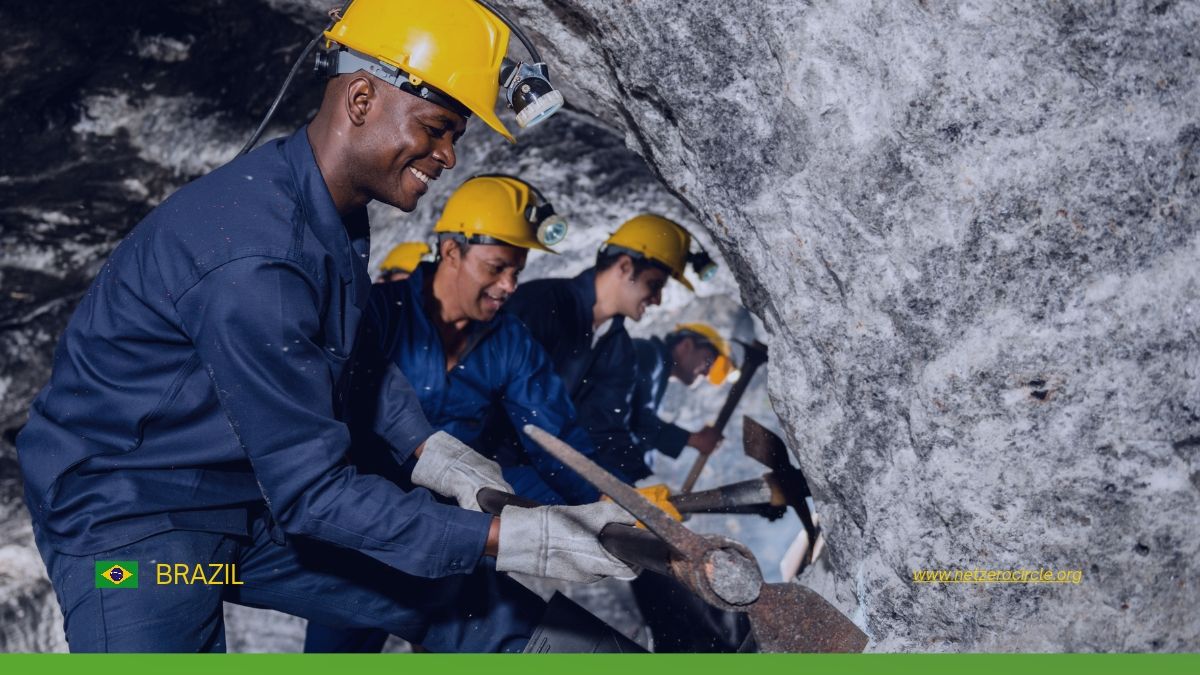
11 November 2026, London (The Net-Zero Circle) Brazil's critical minerals strategy is moving from principle to practice. The government has approved its first official list of critical and strategic minerals, naming 27 substances that will determine which projects can access new state financing as the country seeks to process more of its mineral wealth at home. The list gives investors a clearer picture of where Brasília intends to focus its support. How much it changes in practice, however, will depend on funding, on rules that are still being drafted and on the country's ability to attract private capital.
October 23, 2026
•
News

Brazilian Critical Minerals acquires 90% of Sais Nordeste to secure reagent supply for Ema rare earth project

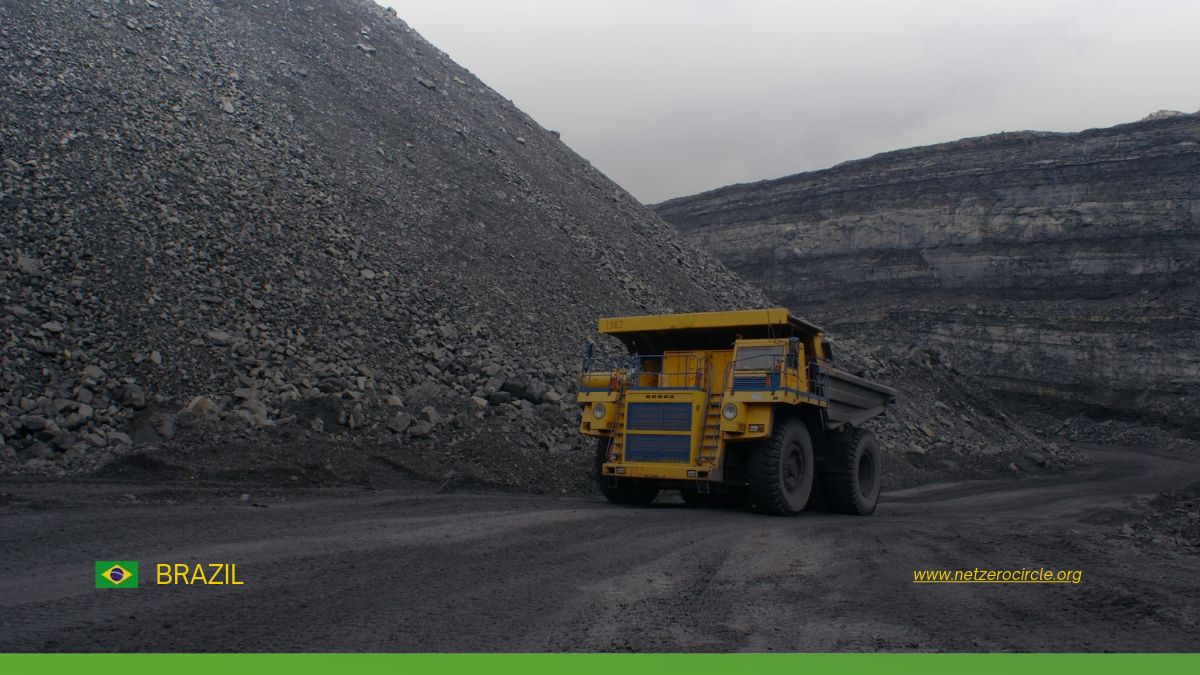
22 October 2026, London (The Net-Zero Circle by IN-VR) Brazilian Critical Minerals (BCM) is moving upstream of its own mine to secure the reagent its rare earth project depends on. The ASX-listed company has signed a binding agreement, through its wholly owned subsidiary Mineração BBX do Brasil Ltda, to acquire a 90% stake in Sais Nordeste Indústria e Comércio Ltda, a magnesium sulphate producer in Feira de Santana, in the state of Bahia. Financial terms have not been disclosed. The deal reflects a wider shift in how rare earth developers outside China are approaching supply risk. Securing ore and refining capacity is no longer enough; the chemicals used to process that ore matter too. By bringing magnesium sulphate production under its own control in Brazil, BCM aims to cut its reliance on Chinese reagent supply chains and strengthen its position as an upstream supplier to the rare earth industry now being built in Western markets.