7
•
Ibtissam El Assad

Morocco’s Green Hydrogen Leap: A New Era of Global Energy Leadership

AN EXCLUSIVE INTERVIEW WITH:

Morocco’s Green Hydrogen Leap: A New Era of Global Energy Leadership

‍

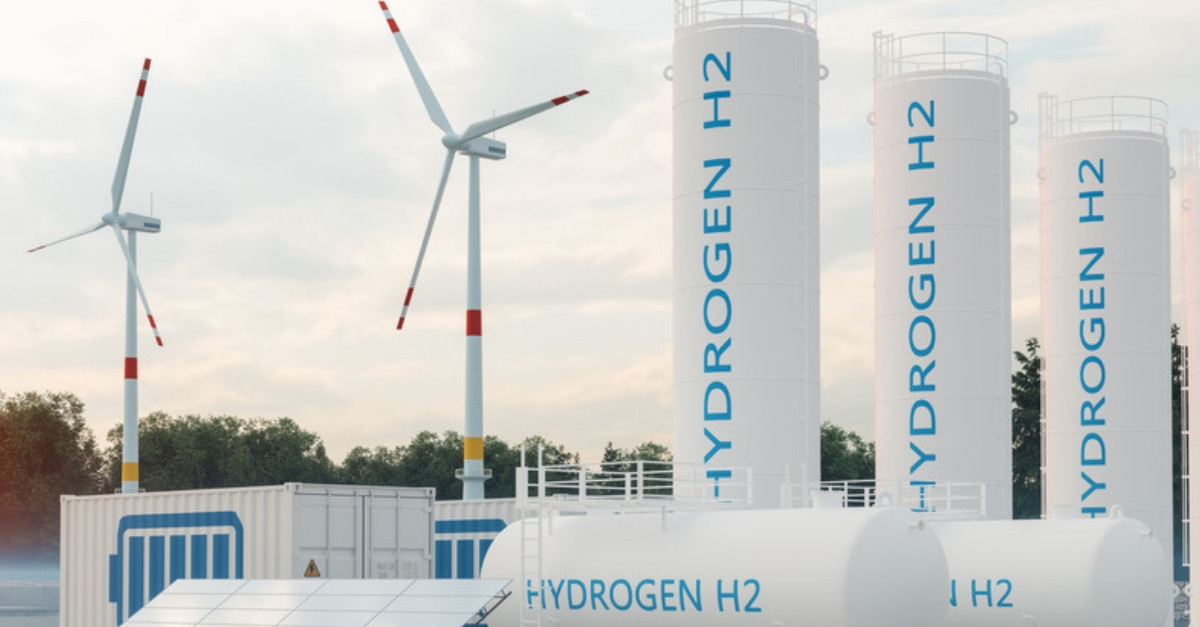
In 2025, Morocco moved from promise to execution in the global green hydrogen race. Building on world-class wind and solar resources, a strategic gateway to Europe, and a stable investment climate, the country is catalyzing a multi-billion-dollar industrial transition with regional and international significance.

‍

A Clear Policy North Star: The “Morocco Offer”

At the center of this push is the “Morocco Offer,” a government-led framework designed to accelerate the entire green hydrogen value chain from renewables-powered electrolysis to downstream production of green ammonia, methanol, synthetic fuels, and green steel. By March 2025, six flagship projects had been approved, with $32.8 billion in investment committed across an initial 300,000 hectares, and a roadmap to scale land allocation to one million hectares to accommodate future ventures. This deliberate, phased approach is structured to bring projects online faster, de-risk early investments, and align infrastructure and regulation with market needs.

‍

Who’s Backing Morocco and Why It Matters

A diverse lineup of Moroccan and international players is anchoring the first wave of projects, signaling both technological breadth and export ambition. TotalEnergies is leading a 10 GW green hydrogen initiative in southern Morocco targeting operations by 2027. OCP Group and Engie are advancing green ammonia production and R&D, leveraging Morocco’s phosphate strengths for fertilizer value chains. Acciona, Nortex, and Ortus are co-developing large-scale green ammonia plants, while Taqa and Cepsa are building green ammonia and industrial fuel projects for domestic and export markets. Nareva is developing multi-use hydrogen for industry and energy, and ACWA Power alongside UEG and China Three Gorges are pioneering green ammonia and green steel projects. This consortium approach diversifies technology, spreads risk, and ties Morocco into multiple global supply chains from fertilizers to fuels and metals.

Morocco’s Strategic Edge

Morocco’s magnetism for green hydrogen investment rests on four pillars: exceptional wind and solar potential enabling competitive, high-capacity-factor renewable power; proximity to Europe, which reduces transport costs and syncs with EU decarbonization timelines; political stability and credible institutions that support long-horizon infrastructure plays; and a robust, expanding grid infrastructure essential for large-scale electrolysis and industrial off-take. With early projects coming online, Morocco is positioned to meet a significant share of its own clean energy demand and supply a meaningful portion of Europe’s future hydrogen needs.

‍

Jobs, Value, and Timelines

By 2030, experts estimate more than 15,000 direct and indirect jobs will be created across construction, operations, and adjacent services, adding billions in economic value through export revenues, industrial upgrades, and localized supply chains. The roadmap prioritizes early local use and pilot exports in the late 2020s and early 2030s, then progressively scales to full commercial export by 2040 aligned with the EU Green Deal and transnational infrastructure initiatives such as the H2Med corridor.

‍

Challenges to Solve And How Morocco Can Win

Success is not guaranteed. Key execution challenges include environmental stewardship to protect biodiversity and ensure lifecycle emissions integrity; water availability, which will require desalination capacity and water reuse for electrolysis without straining local resources; local value capture through domestic manufacturing, workforce skills, and R&D ecosystems; and regulatory clarity to harmonize permitting, standards, incentives, and certification for green molecules and derivatives. Addressing these early and transparently will determine whether Morocco transitions from bold plans to durable leadership.

‍

The Big Picture: A Bet the World Is Watching

As of late 2025, Morocco’s green hydrogen agenda represents a unique experiment linking Africa’s renewable strengths with global industrial decarbonization. By aligning policy, land, capital, and infrastructure, the country is making a calculated, multi-billion-dollar bet: that clean molecules will underpin the next era of energy trade and that Morocco can be one of its essential hubs. If the momentum holds, Morocco won’t just participate in the hydrogen economy it could help define it.

‍

ARTICLES CONNEXES

November 12, 2026
•
Article

Sahamco Unveils US$25 Billion Green Hydrogen and Ammonia Project in Dakhla

12 November 2026, London (The Net-Zero Circle) Emirati company Sahamco Holding BV has unveiled plans for a US$25 billion renewable hydrogen and ammonia project in Dakhla, in Morocco's Sahara region. It is one of the largest green molecule investments announced in the Kingdom to date. The project is designed to produce one million tonnes of renewable ammonia a year, powered by Dakhla's wind and solar resources. Sahamco says it has completed feasibility and pre-front-end engineering design (Pre-FEED) studies. Several key details, however, have not yet been made public, including the project's partners, financing structure, power capacity and construction timeline.
November 11, 2026
•
Article

Brazil Names 27 Critical and Strategic Minerals in Push to Build a Domestic Supply Chain

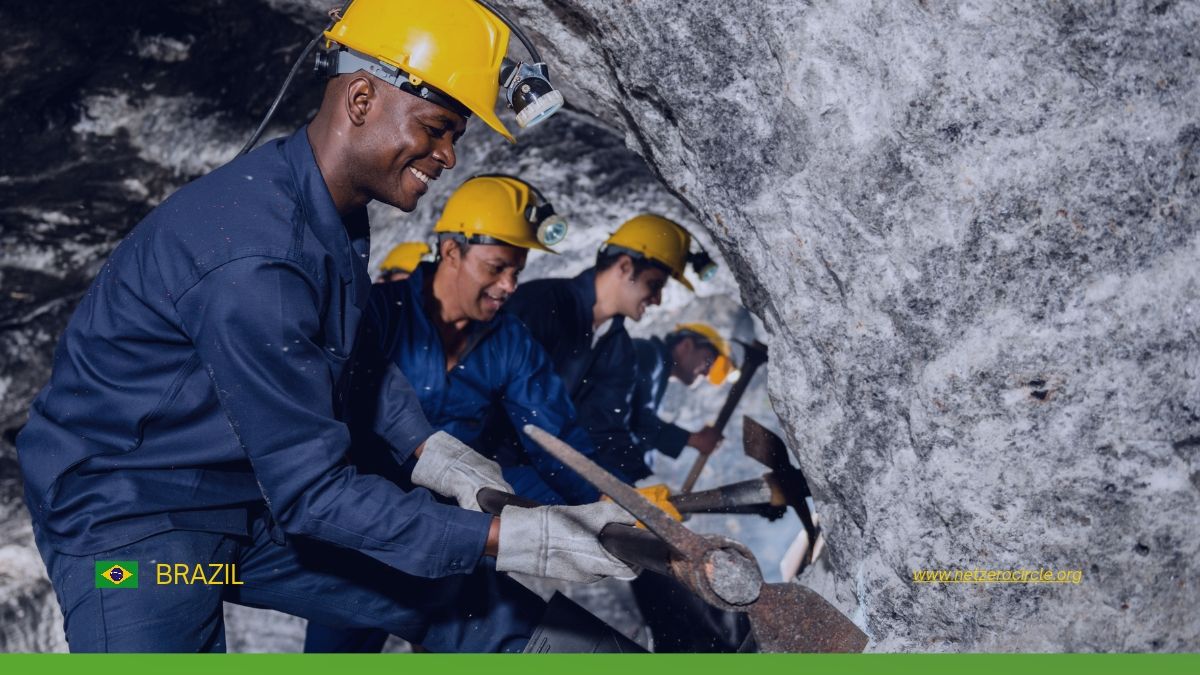
11 November 2026, London (The Net-Zero Circle) Brazil's critical minerals strategy is moving from principle to practice. The government has approved its first official list of critical and strategic minerals, naming 27 substances that will determine which projects can access new state financing as the country seeks to process more of its mineral wealth at home. The list gives investors a clearer picture of where Brasília intends to focus its support. How much it changes in practice, however, will depend on funding, on rules that are still being drafted and on the country's ability to attract private capital.
October 23, 2026
•
News

Brazilian Critical Minerals acquires 90% of Sais Nordeste to secure reagent supply for Ema rare earth project

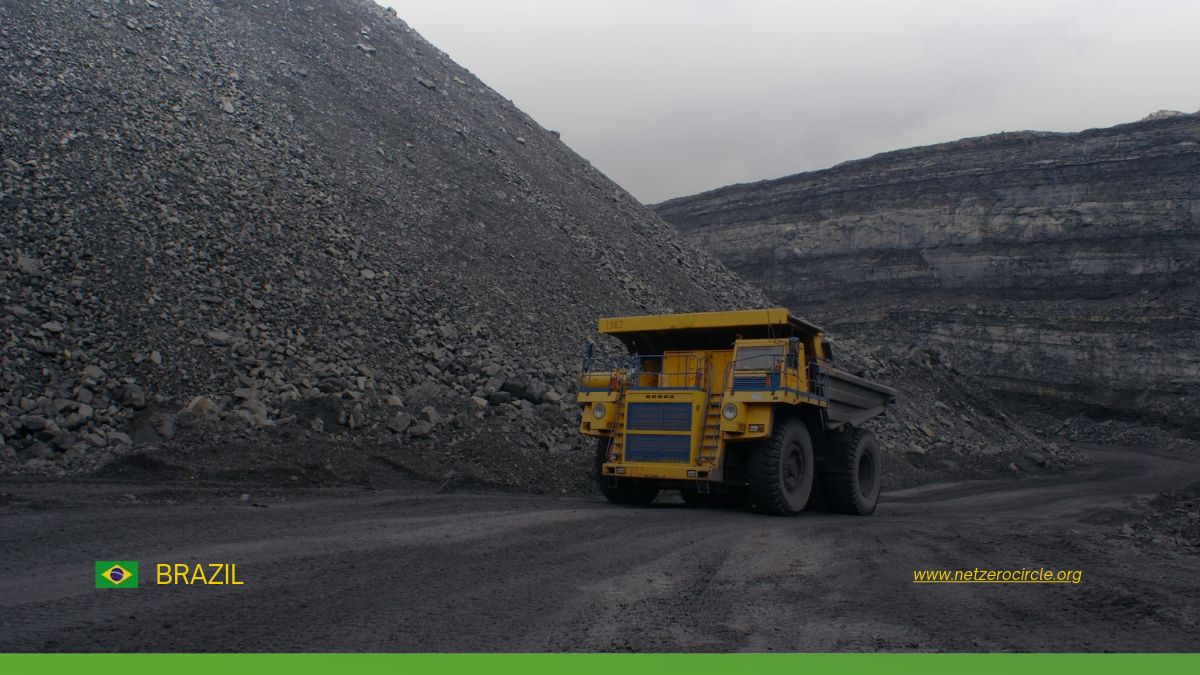
22 October 2026, London (The Net-Zero Circle by IN-VR) Brazilian Critical Minerals (BCM) is moving upstream of its own mine to secure the reagent its rare earth project depends on. The ASX-listed company has signed a binding agreement, through its wholly owned subsidiary Mineração BBX do Brasil Ltda, to acquire a 90% stake in Sais Nordeste Indústria e Comércio Ltda, a magnesium sulphate producer in Feira de Santana, in the state of Bahia. Financial terms have not been disclosed. The deal reflects a wider shift in how rare earth developers outside China are approaching supply risk. Securing ore and refining capacity is no longer enough; the chemicals used to process that ore matter too. By bringing magnesium sulphate production under its own control in Brazil, BCM aims to cut its reliance on Chinese reagent supply chains and strengthen its position as an upstream supplier to the rare earth industry now being built in Western markets.