5
•
Ibtissam El Assad

Amulsar Gold Project Nears Launch: Armenia’s Landmark Mining Investment Set for 2025

AN EXCLUSIVE INTERVIEW WITH:

Amulsar Gold Project Nears Launch: Armenia’s Landmark Mining Investment Set for 2025

‍

A New Chapter for Armenia’s Mining Sector

Armenia is preparing to bring one of its most significant mining projects into production with the planned opening of the Amulsar gold mine in September–October 2025. Economy Minister Gevorg Papoyan confirmed that after years of preparation, independent audits have declared the project both feasible and profitable, unlocking fresh momentum for a mine long seen as a test of Armenia’s capacity to manage large-scale resource development.

With over $500 million already invested and an additional $250 million required to fully launch operations, Amulsar is positioned to become one of Armenia’s most important industrial assets. Construction works are set to begin in spring 2025, with commissioning targeted for the autumn.

‍

Scaling Toward Production

According to CEO Hayk Aloyan of Lydian Armenia, the project operator, almost 80% of the initial development work has already been completed. With final financing secured, the company expects the mine to deliver annual production of 210,000 ounces of gold. At current international market prices, this output equates to roughly $500 million in revenue per year and around $120 million in annual tax contributions, a significant boost to state coffers and local economies alike.

In a further milestone, Lydian Armenia finalized an agreement in December 2024 to transfer 12.5% equity in the project to the Armenian government, ensuring a direct public stake in future operations. This move highlights both the strategic importance of the deposit and growing efforts to balance corporate objectives with national interest.

‍

The Amulsar Deposit: Scale and Location

The Amulsar deposit, Armenia's second-largest pure gold resource, contains an estimated 31 million tons of ore and 40 tons of pure gold reserves. Located between the Arpa and Vorotan river basins, about 13 kilometers from the spa town of Jermuk, the deposit’s scale marks it as a flagship asset for the country’s mining sector.

The site’s geological characteristics make it suitable for modern open-pit mining techniques, with studies confirming the potential for long-life, cost-effective operations. Its production could meaningfully reshape Armenia’s mineral export profile, consolidating gold alongside copper and molybdenum as a central pillar of the industrial economy.

‍

Addressing Environmental Standards

Past development at Amulsar faced delays due to environmental concerns raised by civil society groups, particularly around the safeguarding of Jermuk’s water resources and nearby Lake Sevan, Armenia’s largest freshwater reservoir. In 2021, the Investigative Committee of Armenia concluded that the mine presents no significant environmental threat so long as agreed protective measures are fully implemented.

As part of renewed efforts to advance responsibly, developers have emphasized investments in modern environmental safeguards, such as advanced water management, secure tailings facilities, and international best-practice monitoring systems. By embedding these measures, the project aims to align with both Armenian regulatory standards and emerging ESG expectations from global markets.

‍

Economic and Strategic Implications

The imminent launch of Amulsar reflects broader trends in Armenia’s mining sector as it seeks greater modernization, governance transparency, and long-term sustainability. The project’s scale, combined with its financing structure and partial state ownership, makes it a model for future mining ventures in the country.

For Armenia’s economy, Amulsar represents a multipronged opportunity:

  • Revenue: hundreds of millions annually in export earnings and taxation.
  • Employment: new direct and indirect jobs across mining, logistics, and support services.
  • Industrial Growth: enhanced technologies and management practices feeding into the wider mining sector.
  • Credibility: strengthening Armenia’s profile internationally as a mining jurisdiction capable of hosting large, commercially sound projects.


From Development to Operation

With construction resuming in spring and first gold targeted before the end of 2025, Amulsar symbolizes a turning point for Armenia’s extractive sector. Backed by significant capital, supported by an international operational model, and structured to share value with the state, the project is poised to reshape the mining landscape.

If delivered according to plan, Amulsar could serve as both a catalyst for economic growth and a benchmark for how Armenia develops large-scale resources in the future combining profitability with accountability. For stakeholders, from policymakers to investors to local communities, September 2025 will mark the start of a new chapter in Armenia’s economic story.

‍

POSTAGENS RELACIONADAS

October 22, 2026
•
News

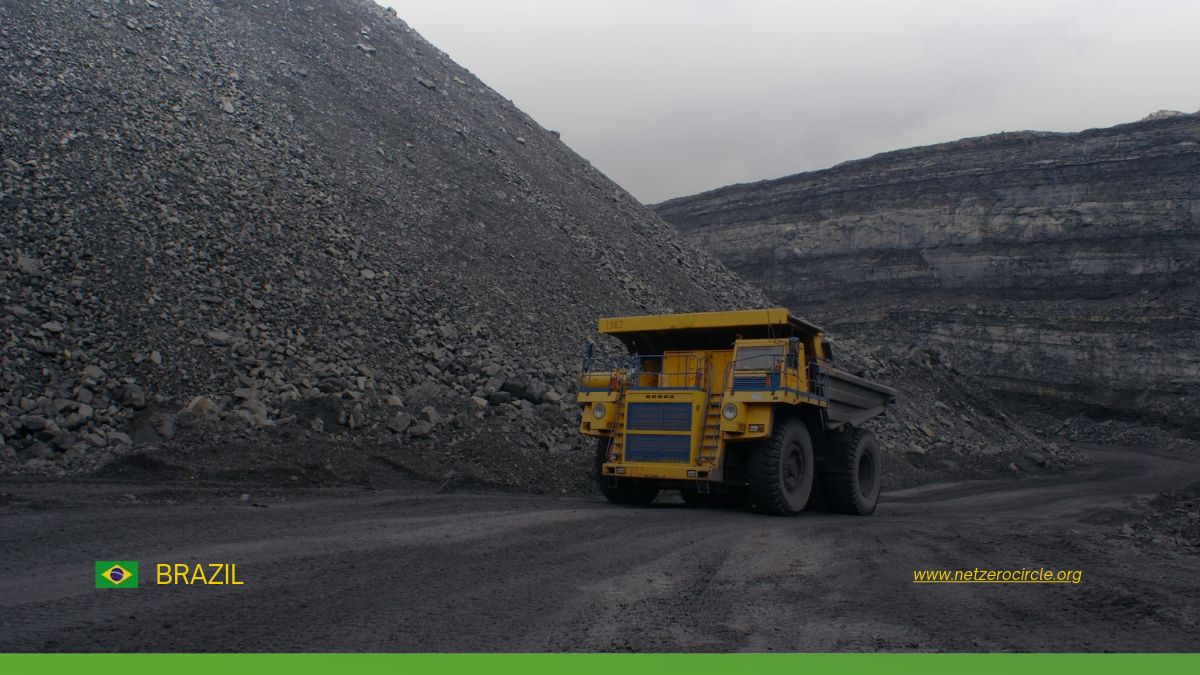
Brazilian Critical Minerals acquires 90% of Sais Nordeste to secure reagent supply for Ema rare earth project

22 October 2026, London (The Net-Zero Circle by IN-VR) Brazilian Critical Minerals (BCM) is moving upstream of its own mine to secure the reagent its rare earth project depends on. The ASX-listed company has signed a binding agreement, through its wholly owned subsidiary Mineração BBX do Brasil Ltda, to acquire a 90% stake in Sais Nordeste Indústria e Comércio Ltda, a magnesium sulphate producer in Feira de Santana, in the state of Bahia. Financial terms have not been disclosed. The deal reflects a wider shift in how rare earth developers outside China are approaching supply risk. Securing ore and refining capacity is no longer enough; the chemicals used to process that ore matter too. By bringing magnesium sulphate production under its own control in Brazil, BCM aims to cut its reliance on Chinese reagent supply chains and strengthen its position as an upstream supplier to the rare earth industry now being built in Western markets.
October 15, 2026
•
Article

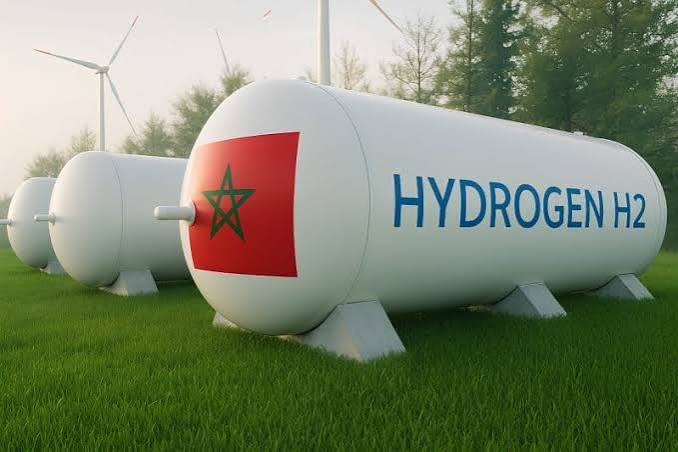
Upper Austria Turns to Morocco as Europe’s Industrial Heartland Searches for Green Hydrogen

14 October 2026, Tangier (The Net-Zero Circle by IN-VR): An Upper Austrian delegation led by Markus Achleitner and Günther Steinkellner visited Tanger Med and Moroccan industrial partners to explore green hydrogen imports and industrial cooperation. Morocco has seven hydrogen projects advancing, with around 15 GW of renewable capacity planned, as it prepares to begin exports from 2030.
September 30, 2026
•
Article

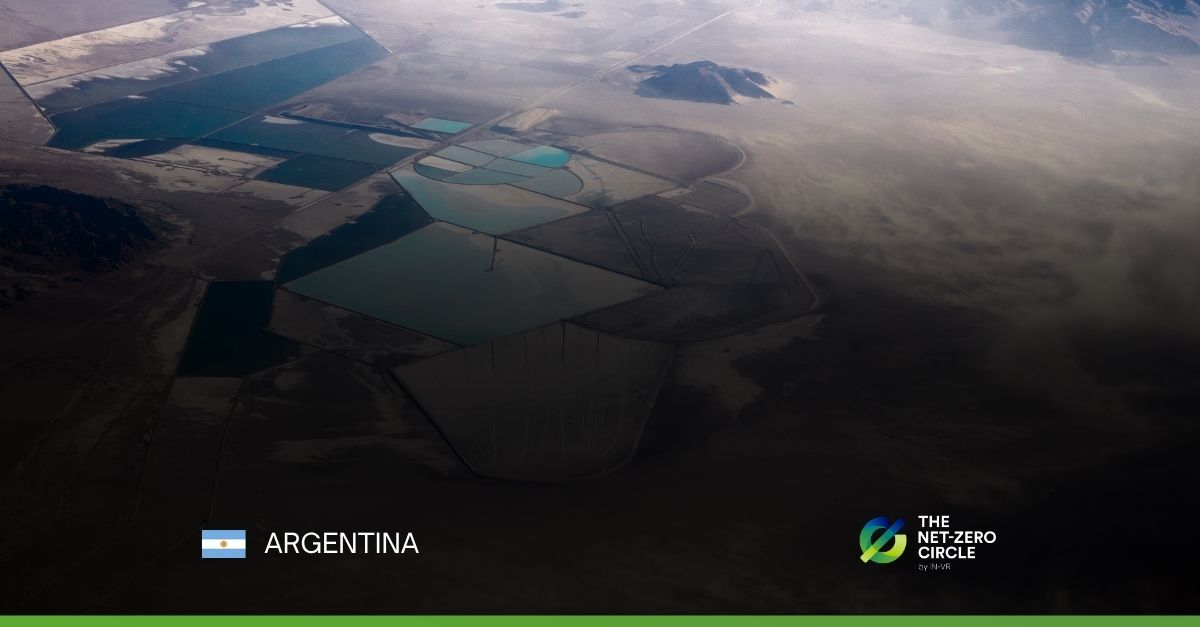
Salta’s Lithium Exports Get a 240-Tonne Boost

Salta has launched its first on-site customs facility for a lithium operation at Ganfeng’s General Güemes processing plant. The system allows lithium chloride to be consolidated, inspected and cleared for export directly at the facility. Following a 240-tonne pilot shipment, the model could help improve the efficiency, traceability and scalability of Salta’s lithium export chain.