5 min
Francisco Javier Lecaros

Strategic Minerals for a Zero-Emissions future: The crucial role of Mining in Sustainable Development

AN EXCLUSIVE INTERVIEW WITH:

Strategic Minerals for a Zero-Emissions Future: The Crucial Role of Mining in Sustainable Development

Amidst the urgent need to address climate change and progress towards a more sustainable future, mining and strategic minerals emerge as pivotal elements in the quest to achieve net-zero emissions. The transition towards renewable energies and electromobility relies heavily on the responsible and efficient extraction of key minerals. This article will explore the significance of mining in this context, highlighting its role in the production of strategic minerals and its contribution to green energy and electromobility.

To begin, it is essential to understand that mining forms the foundation of many modern industries. From construction to electronics and energy generation, a broad range of sectors depend on minerals extracted from the earth, which are integral to our daily lives. However, in the context of transitioning towards a sustainable future, certain minerals gain particular importance. The so-called strategic minerals, such as lithium, cobalt, nickel, and copper, are fundamental for the manufacturing of lithium-ion batteries, crucial in renewable energy storage and the electrification of transport.

Firstly, lithium plays a central role in the battery revolution. Lithium-ion batteries are essential for storing solar and wind energy, facilitating a greater integration of these renewable sources into the electrical grids. Additionally, lithium is a key component in manufacturing batteries for electric vehicles (EVs), offering a significant alternative to internal combustion engine vehicles in reducing greenhouse gas emissions.

Cobalt is another strategic mineral vital in the production of lithium-ion batteries. Although its extraction poses challenges in terms of sustainability and social justice, its role in the energy transition is undeniable. Beyond batteries, cobalt is used in the manufacturing of permanent magnets for electric motors, making it a crucial element for electromobility.

Likewise, nickel and copper are indispensable minerals in the production of batteries and energy storage systems. Nickel, in particular, enhances the energy density and durability of lithium-ion batteries, while copper is essential in the EV charging infrastructure and in the electrification of public transport networks.

The importance of these strategic minerals intensifies further when considering the growing demand for electric vehicles and energy storage systems. With increasing awareness of the need to reduce carbon emissions and mitigate climate change, electromobility and the adoption of renewable energies are expected to witness exponential growth in the coming decades. However, this growth will only be possible with a secure and sustainable supply of minerals.

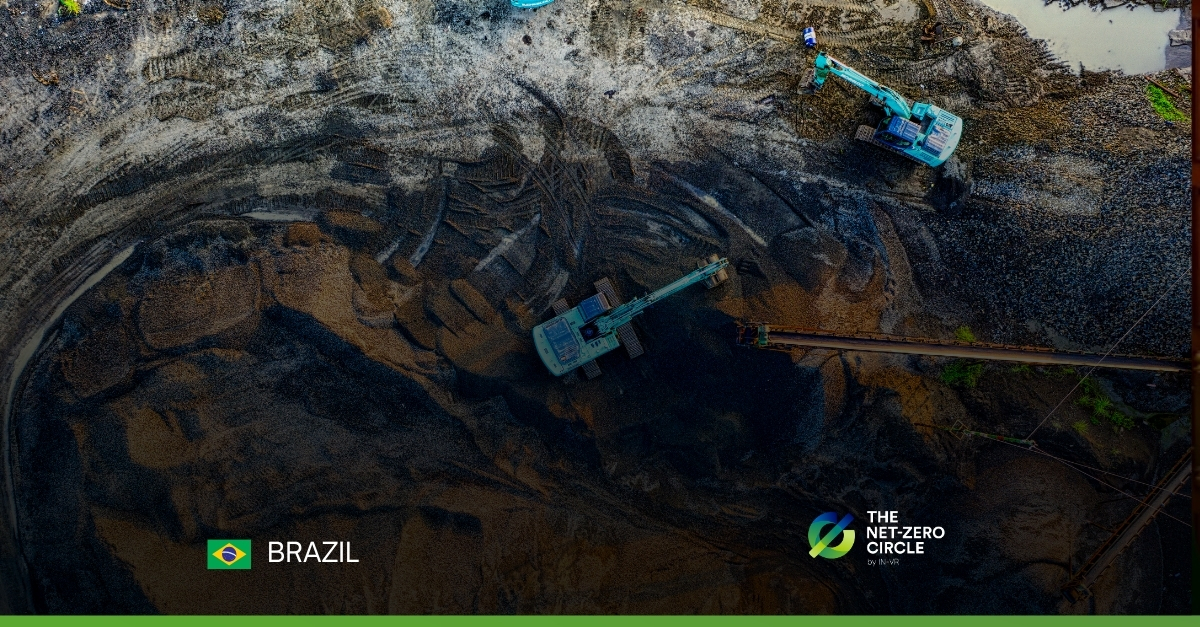
It is crucial to note that mineral extraction is not without environmental and social challenges. Mining can have negative impacts on the environment, from soil and water degradation to biodiversity loss. Therefore, it is imperative that mineral extraction is conducted in a responsible and sustainable manner, focusing on impact mitigation and the inclusion of affected communities in the decision-making process.

In this light, innovation and technology play a key role in the pursuit of more sustainable mining practices. From developing more efficient and less polluting extraction methods to implementing mineral recovery and recycling practices, the mining industry is striving to reduce its environmental footprint and improve its social impact.

Moreover, promoting transparency and traceability in the mineral supply chain is essential, ensuring that minerals are extracted ethically and responsibly. Standards and certifications, such as the Responsible Mining Principles (RMI), are important tools to ensure that strategic minerals are produced in a fair and sustainable manner.

In conclusion, mining and strategic minerals play a fundamental role in transitioning towards a more sustainable and zero-emission future. From renewable energy production to the electrification of transport, these minerals are crucial for building a low-carbon infrastructure and reducing our dependence on fossil fuels. However, addressing the environmental and social challenges associated with mineral extraction is crucial, ensuring that this process is conducted responsibly and ethically. Ultimately, sustainable mining is key to achieving our sustainability goals and ensuring a prosperous future for coming generations.

POSTAGENS RELACIONADAS

January 27, 2026
Article

Renewable Energy Revolution in Morocco: How Masen Is Using GIS to Accelerate Clean Power Development

27 January 2026, London (The Net Zero-Circle by IN-VR) -- Morocco’s renewable energy ambitions are entering a new phase as Masen prepares to launch a nationwide GIS platform in 2026. The system will centralize geospatial data on solar and wind resources, helping optimize site selection, streamline project planning, and support the country’s goal of exceeding 52% renewable electricity in the coming years.
January 19, 2026
Article

Saudi Arabia and Morocco Deepen Energy Partnership with New Renewables Program

19 January 2025, London (The Net Zero Circle by IN-VR)--Saudi Arabia and Morocco signed a new program to boost renewable energy cooperation, joint projects, and research initiatives.
January 12, 2026
Article

OCP Group Advances Decarbonization Strategy with 202 MW Solar Expansion

12 January 2025, London (The Net Zero-Circle by IN-VR)--OCP Group has launched three solar plants totaling 202 MW in Morocco, marking a major step toward its 2027 goal of 100% renewable energy and 2040 carbon neutrality