Pioneering the Atlantic: Morocco’s Strategic Roadmap for Offshore Wind

Morocco Signs Landmark Deal With ORNX Consortium for $4.5 Billion Green Ammonia Project in Laayoune

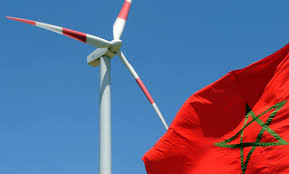
Morocco is advancing plans to establish a major offshore wind presence, centered on a proposed 1 GW facility near Essaouira. This initiative represents a landmark shift in the region’s energy landscape, as it is positioned to become the first large-scale offshore wind farm on the African continent. The project has gained significant momentum through international cooperation frameworks focused on the sustainable development of the Mediterranean and Atlantic maritime zones.
The development is being facilitated by the Blue Mediterranean Partnership (BMP), a multi-donor investment vehicle designed to accelerate the "blue economy" in the Southern Mediterranean and Red Sea regions. This partnership serves as a financial and technical bridge, mobilizing the resources necessary to move large-scale maritime projects from the conceptual phase toward construction. Recent financial commitments from international partners, including a significant multi-million euro contribution from Spain, have bolstered the partnership’s total fund, ensuring that the necessary technical assistance and feasibility grants are available to support Morocco’s offshore ambitions.
This project is the result of several years of foundational work between the Moroccan Agency for Sustainable Energy (Masen) and international financial institutions like the European Investment Bank (EIB). Previous cooperation agreements provided the initial funding for technical assessments and pilot studies along Morocco’s Atlantic coast. These studies were essential for identifying the most viable zones for turbine deployment, taking into account wind speeds, seabed bathymetry, and environmental considerations.
The choice of the Atlantic coast, and specifically the area near Essaouira, is driven by the region’s exceptional natural resources. Technical data indicates that Morocco possesses a vast offshore wind potential, estimated at approximately 200 GW. While the majority of this potential lies in deeper waters that would eventually require floating wind technology, there is a significant 22 GW capacity suitable for fixed-bottom foundations in shallower coastal waters. The Essaouira project aims to tap into these favorable conditions, utilizing established fixed-bottom technology to ensure a reliable and cost-effective entry into the offshore sector.
Beyond the immediate generation of renewable energy, the project is integrated into a broader regional strategy that includes ecosystem restoration and infrastructure modernization. The funding mechanisms supporting the wind farm are part of a wider portfolio that addresses wastewater treatment and coral reef protection in neighboring countries, reflecting a holistic approach to maritime industrialization.
As the project moves toward its targeted construction phase, the focus remains on completing the complex technical and regulatory requirements inherent in offshore development. This includes detailed geophysical surveys of the Atlantic seabed, the design of robust grid connection infrastructure to bring power inland, and the preparation of local port facilities to handle the logistics of massive turbine components.
By successfully launching this 1 GW project, Morocco is not only diversifying its own energy mix but also establishing a blueprint for offshore wind across the continent. The project serves as a signal to international developers and investors that the Moroccan Atlantic is a viable and strategic frontier for the next generation of renewable energy infrastructure.