7
•
Ibtissam El Assad

Armenia: An Emerging Frontier for Rare Earth Elements Investment

AN EXCLUSIVE INTERVIEW WITH:

Armenia: An Emerging Frontier for Rare Earth Elements Investment

‍

As the global energy landscape rapidly shifts toward clean technologies, rare earth elements (REEs) have become critical materials powering everything from electric vehicles to wind turbines and advanced electronics. Amid the surge in demand, Armenia is emerging as an attractive new frontier for investors looking to tap into rare earth potential and support the global net zero transition.

Geological Potential and Strategic Position

Armenia’s geology shows promising indications of rare earth elements, particularly light rare earths like neodymium and lanthanum key components in permanent magnets essential for electric motors and renewable energy technologies. While Armenia’s rare earth sector is still developing, exploration has revealed surface level deposits in areas such as the Abovyan ore field near the capital Yerevan, alongside important discoveries of REEs as secondary products in existing copper and molybdenum mines like Kajaran and Teghut.

This strategic integration of rare earth recovery with established base metal mining presents a cost effective approach to capitalize on critical minerals without the need for new, standalone operations initially. As global markets seek diversified and reliable sources of REEs, Armenia’s mineral wealth positions it as a compelling, untapped opportunity.

‍

Robust Government Support and Investor-Friendly Regulations

The Armenian government has signaled strong commitment to modernizing the mining sector, with a clear strategic focus on attracting international investment in critical minerals, including rare earths. A comprehensive modernization plan adopted in 2023 aims to improve geological data management, streamline permitting, and align environmental standards with international best practices.

Armenia offers an investor-friendly regulatory framework with transparent licensing processes, legal protection for foreign investors, and the ability for 100% foreign ownership without mandatory local partnerships. Royalties and taxation have been structured progressively to incentivize exploration and production activities, promoting long-term operational certainty for mining projects.

Economic Importance and Market Access

Mining is a cornerstone of Armenia’s economy, contributing around 7% to GDP and representing over half of the country’s merchandise exports. The sector is dominated by copper and molybdenum production, providing a solid foundation for integrating rare earth extraction into existing value chains. High quality infrastructure, skilled labor, and a geopolitically advantageous location bridging Europe and Asia enhance Armenia’s appeal as a mining hub.

International partnerships are growing, with western companies such as Hayasa Metals Inc., a Canadian exploration firm active in Armenia’s Urasar mineral district exploring copper, gold, and rare earth elements, and Global Gold Corp involved in base and precious metal projects. Hayasa Metals, notably, has signed agreements with major players like Teck Resources and is conducting extensive drilling and geochemical surveys to advance exploration. These collaborations with experienced western firms promise to accelerate Armenia’s emergence in the global critical minerals supply chain, while fostering local economic growth and job creation aligned with international standards

Sustainable and Future-Focused Mining

Armenia’s mining code emphasizes environmental responsibility and sustainable development, mandating comprehensive impact assessments and ongoing environmental monitoring. This forward looking approach aligns with global ESG (Environmental, Social, Governance) standards and the net zero agenda, making Armenia a responsible choice for investors prioritizing sustainability alongside profitability.

A Rare Opportunity for the Net Zero Economy

With increasing demand for rare earths driven by the energy transition, Armenia’s emerging rare earth sector represents an incredible opportunity to participate early in a promising market. The country combines geological potential, political commitment, investor-friendly policies, and strategic geography to position itself as an essential component of future critical mineral supply chains.

For investors seeking to support green technology development while diversifying their portfolios, Armenia offers a dynamic and accessible option. As exploration advances and production scales, Armenia’s rare earth elements will play a vital role in powering the technologies that underpin a sustainable, net zero future.

‍

ARTICLES CONNEXES

novembre 16, 2026
•
Article

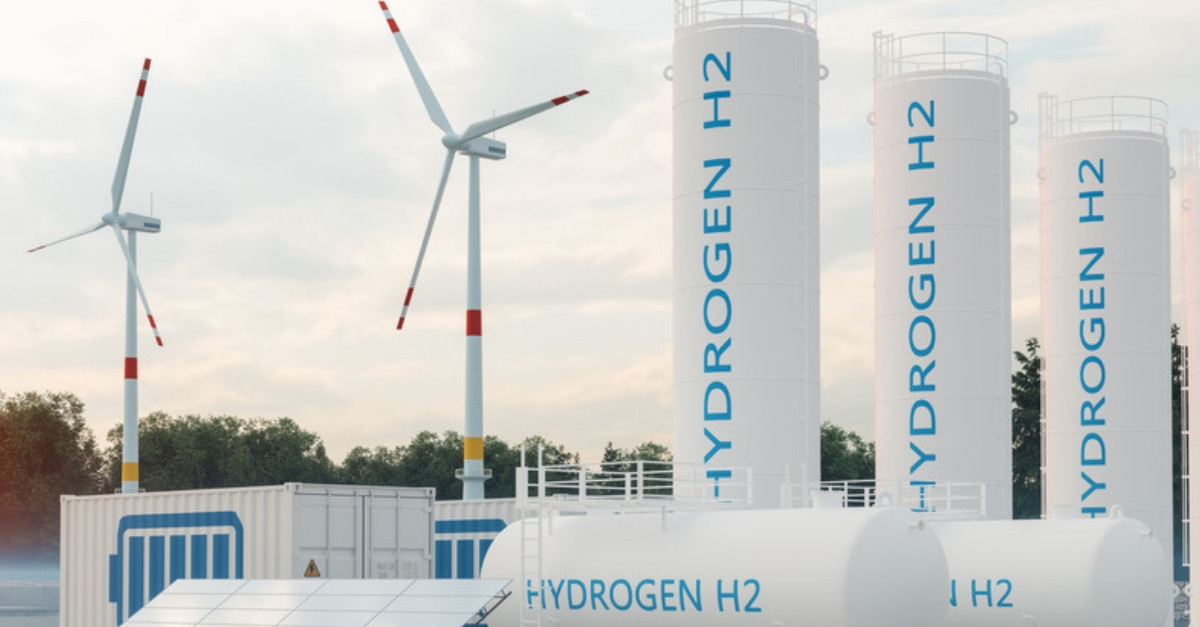
Sahamco Unveils US$25 Billion Green Hydrogen and Ammonia Project in Dakhla

12 November 2026, London (The Net-Zero Circle) Emirati company Sahamco Holding BV has unveiled plans for a US$25 billion renewable hydrogen and ammonia project in Dakhla, in Morocco's Sahara region. It is one of the largest green molecule investments announced in the Kingdom to date. The project is designed to produce one million tonnes of renewable ammonia a year, powered by Dakhla's wind and solar resources. Sahamco says it has completed feasibility and pre-front-end engineering design (Pre-FEED) studies. Several key details, however, have not yet been made public, including the project's partners, financing structure, power capacity and construction timeline.
novembre 16, 2026
•
Article

Brazil Names 27 Critical and Strategic Minerals in Push to Build a Domestic Supply Chain

11 November 2026, London (The Net-Zero Circle) Brazil's critical minerals strategy is moving from principle to practice. The government has approved its first official list of critical and strategic minerals, naming 27 substances that will determine which projects can access new state financing as the country seeks to process more of its mineral wealth at home. The list gives investors a clearer picture of where Brasília intends to focus its support. How much it changes in practice, however, will depend on funding, on rules that are still being drafted and on the country's ability to attract private capital.
octobre 23, 2026
•
News

Brazilian Critical Minerals acquires 90% of Sais Nordeste to secure reagent supply for Ema rare earth project

22 October 2026, London (The Net-Zero Circle by IN-VR) Brazilian Critical Minerals (BCM) is moving upstream of its own mine to secure the reagent its rare earth project depends on. The ASX-listed company has signed a binding agreement, through its wholly owned subsidiary Mineração BBX do Brasil Ltda, to acquire a 90% stake in Sais Nordeste Indústria e Comércio Ltda, a magnesium sulphate producer in Feira de Santana, in the state of Bahia. Financial terms have not been disclosed. The deal reflects a wider shift in how rare earth developers outside China are approaching supply risk. Securing ore and refining capacity is no longer enough; the chemicals used to process that ore matter too. By bringing magnesium sulphate production under its own control in Brazil, BCM aims to cut its reliance on Chinese reagent supply chains and strengthen its position as an upstream supplier to the rare earth industry now being built in Western markets.