
5 min
•
Luana Torruella

Can a Speculative Boom Power a Net Zero Transition? Argentina’s Fiscal Gamble under Milei

AN EXCLUSIVE INTERVIEW WITH:

Can a Speculative Boom Power a Net Zero Transition? Argentina’s Fiscal Gamble under Milei

‍(The Net Zero Circle, April 23) Argentina has received a financial lifeline: a US$12-billion disbursement from the IMF, which has helped lift Central Bank reserves to over US$38 billion — the highest level since 2022. President Javier Milei has responded by accelerating deregulation, freeing the peso to float, and removing most capital controls. The move has sparked optimism in some corners, especially among market actors seeking opportunity.

But this new financial order comes at a cost. Short-term capital inflows are now dominating the economic narrative, facilitated by peso-denominated financial instruments that offer world-beating yields. The economic team claims this will attract investment and promote long-term stability. History, however, tells another story.

What this means for Argentina’s net zero ambitions

The energy transition is inherently long-term. It requires policy continuity, regulatory clarity, and public-private alignment over decades. Argentina’s current fiscal strategy — inviting carry trade speculation in a volatile macro context — does little to support those conditions.

Take the lithium sector. Argentina is home to some of the world’s richest salars, and has the potential to become a cornerstone of global battery supply chains. But capital-intensive projects demand stability. A speculative boom that appreciates the peso and distorts cost structures could disincentivise the very investments needed to scale production sustainably.

Likewise, renewables projects that rely on foreign technology and components become vulnerable when dollar liquidity is artificially inflated but regulatory risk remains unchanged. The illusion of stability can delay rather than accelerate the transition.

Risking a fragile climate moment

The parallels to past cycles are impossible to ignore. During the 2015–2019 administration, speculative capital temporarily boosted reserves — and then evaporated, triggering devaluation and austerity. Today, Argentina is once again betting on the same formula, just as the climate challenge becomes more urgent.

The global energy transition needs stable partners. If Argentina hopes to lead on lithium, renewables and green hydrogen, it must build from the ground up — not from borrowed cash down.

Summary

Milei’s economic model may deliver market-friendly headlines, but it risks undermining Argentina’s climate credibility. Short-term inflows can’t replace deep institutional reform. The energy transition requires more than optimism — it demands durability, equity and long-range vision.

Argentina must choose: financial cycling, or a real path to net zero.

‍

ARTICLES CONNEXES

October 15, 2026
•
Article

Upper Austria Turns to Morocco as Europe’s Industrial Heartland Searches for Green Hydrogen

14 October 2026, Tangier (The Net-Zero Circle by IN-VR): An Upper Austrian delegation led by Markus Achleitner and Günther Steinkellner visited Tanger Med and Moroccan industrial partners to explore green hydrogen imports and industrial cooperation. Morocco has seven hydrogen projects advancing, with around 15 GW of renewable capacity planned, as it prepares to begin exports from 2030.
September 30, 2026
•
Article

Salta’s Lithium Exports Get a 240-Tonne Boost

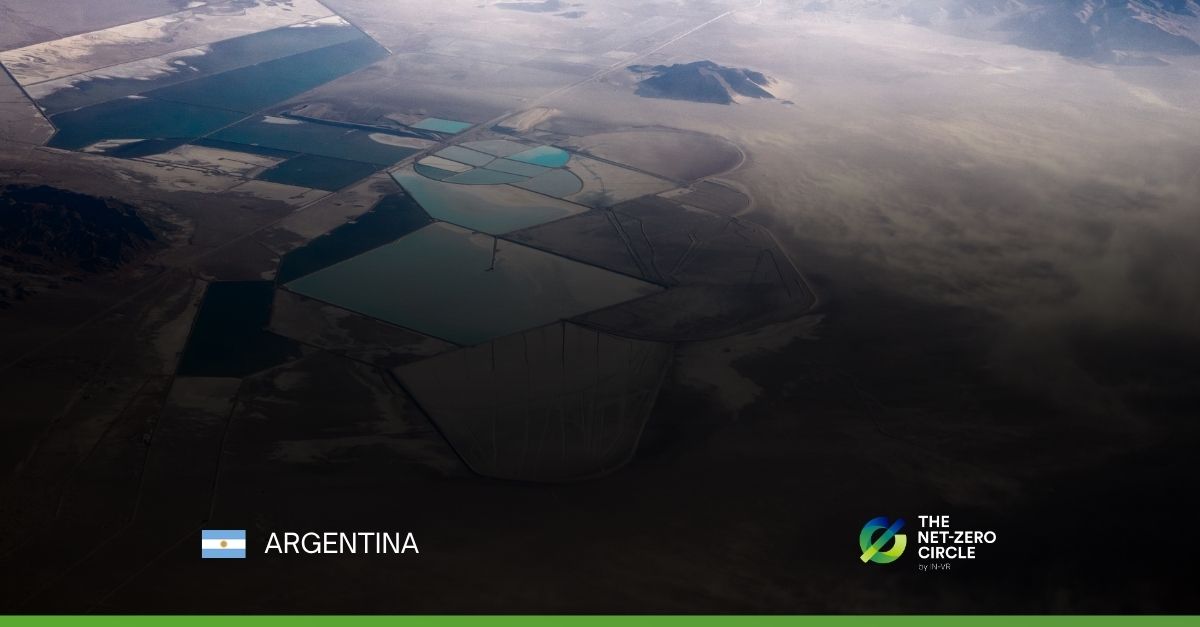
Salta has launched its first on-site customs facility for a lithium operation at Ganfeng’s General Güemes processing plant. The system allows lithium chloride to be consolidated, inspected and cleared for export directly at the facility. Following a 240-tonne pilot shipment, the model could help improve the efficiency, traceability and scalability of Salta’s lithium export chain.
September 29, 2026
•
Article

Brazil’s New Critical Minerals Law Reshapes Investment Rules

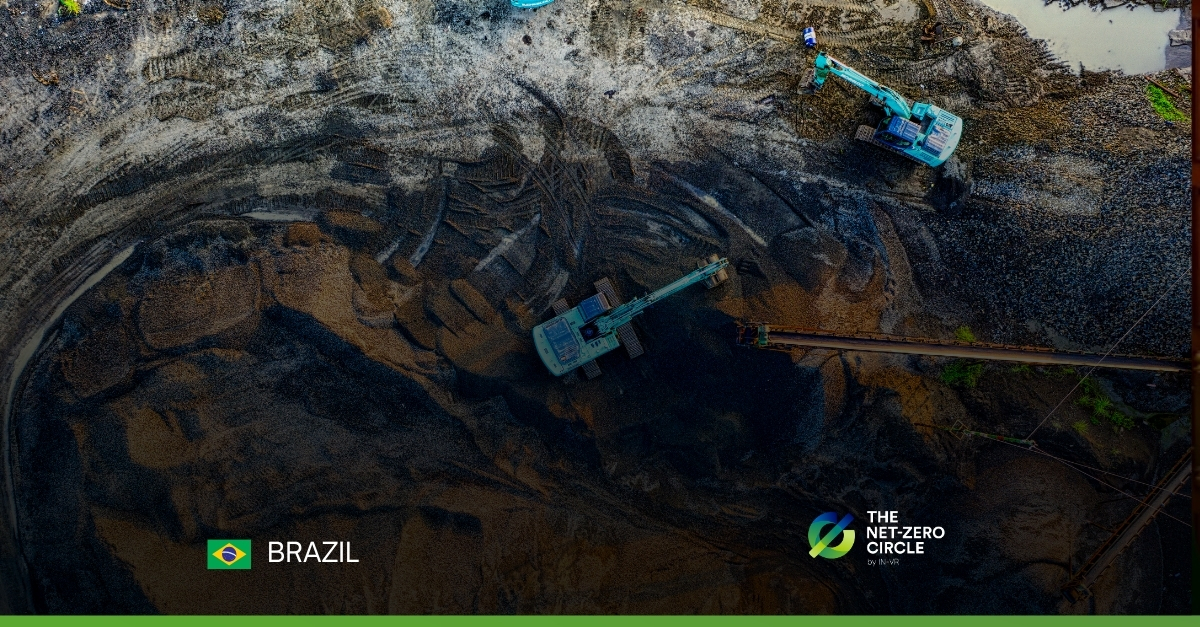
Brazil’s new critical minerals law strengthens state oversight of strategic mineral assets while keeping the sector open to foreign investment. The policy prioritises local processing, value creation and supply-chain security, with CIMCE gaining powers to review key transactions. Its impact on investment will depend on how transparently and predictably these new powers are implemented.