•

Chile’s Energy Crossroads: Regulatory Overhaul and Legal Certainty Key to Sustaining Clean Energy Leadership

AN EXCLUSIVE INTERVIEW WITH:
Francisco López

What is the main challenge that Chile is facing today in energy development?

In recent years, Chile has undergone a remarkable transformation in its energy matrix, with a massive influx of new renewable energy projects that have helped reduce emissions from the generation sector while also enabling significant investments.

However, this also presents a challenge, as it requires adapting our regulations to the current reality, demanding regulatory changes that address the needs of an electrical system with nearly 70% renewable energy.

‍

From your perspective as a former energy policymaker and now legal advisor, what are the main regulatory adjustments needed to boost long-term investment in clean energy and transmission?

The necessary changes must be viewed on two levels: first, in general terms of investment, and then specifically within the energy sector.

In general terms, although it is a widely discussed topic, it is essential to recreate an environment conducive to investment—one that promotes the development of projects, especially those that contribute to the country’s sustainable development. Today, in concrete cases, this is difficult to observe, particularly across various public services. Until that changes, it will be hard to regain the pace of investment project development in general (beyond the energy sector).

Regarding the energy sector, particularly the electricity sector, there are significant challenges in updating and modernizing distribution regulations. In terms of transmission, it is necessary to review some of the changes made in recent years, especially those related to location signals and project development. In generation, it is important to assess the changes required for a highly renewable energy mix. However, these changes must be made within the complex context of recent tariff increases, which make any discussion more difficult

‍

How can Chile strengthen legal certainty and institutional trust to remain an attractive and competitive market for global energy players?

It is undeniable that, in terms of natural resources, Chile has great potential. Therefore, it is necessary to analyze other elements that can sustain the country’s leadership in this area. The upcoming election period and the proposed government programs of the various candidates present an opportunity to discuss the main future challenges and the positions of the presidential options.

In this regard, it is important to emphasize that a distinctive factor of Chile relates to legal certainty and regulatory predictability. Any adjustment or modification must be made with consideration for the importance this holds in promoting long-term investments.

ARTICLES CONNEXES

novembre 16, 2026
•
Article

Sahamco Unveils US$25 Billion Green Hydrogen and Ammonia Project in Dakhla

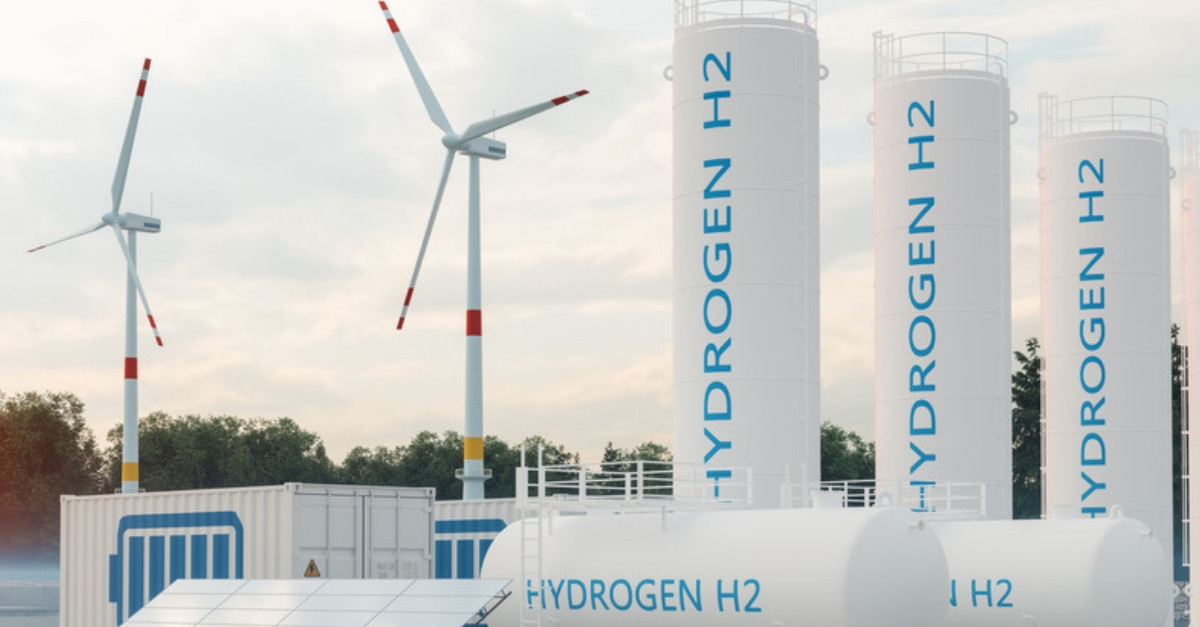
12 November 2026, London (The Net-Zero Circle) Emirati company Sahamco Holding BV has unveiled plans for a US$25 billion renewable hydrogen and ammonia project in Dakhla, in Morocco's Sahara region. It is one of the largest green molecule investments announced in the Kingdom to date. The project is designed to produce one million tonnes of renewable ammonia a year, powered by Dakhla's wind and solar resources. Sahamco says it has completed feasibility and pre-front-end engineering design (Pre-FEED) studies. Several key details, however, have not yet been made public, including the project's partners, financing structure, power capacity and construction timeline.
novembre 16, 2026
•
Article

Brazil Names 27 Critical and Strategic Minerals in Push to Build a Domestic Supply Chain

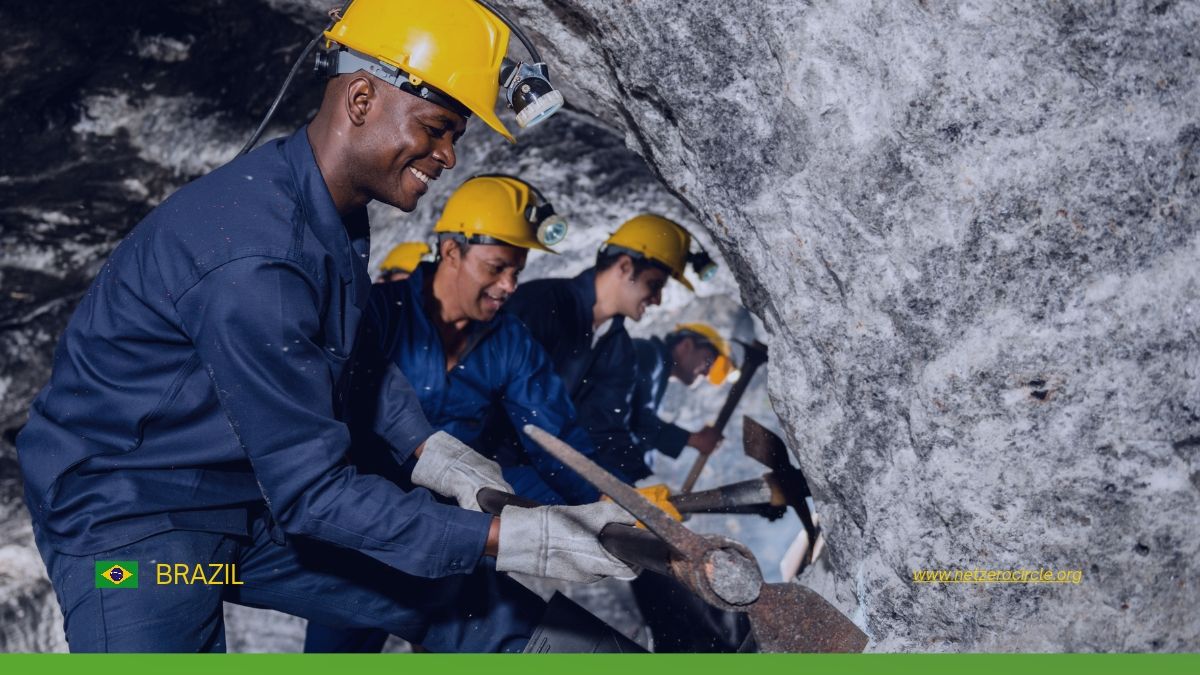
11 November 2026, London (The Net-Zero Circle) Brazil's critical minerals strategy is moving from principle to practice. The government has approved its first official list of critical and strategic minerals, naming 27 substances that will determine which projects can access new state financing as the country seeks to process more of its mineral wealth at home. The list gives investors a clearer picture of where Brasília intends to focus its support. How much it changes in practice, however, will depend on funding, on rules that are still being drafted and on the country's ability to attract private capital.
octobre 23, 2026
•
News

Brazilian Critical Minerals acquires 90% of Sais Nordeste to secure reagent supply for Ema rare earth project

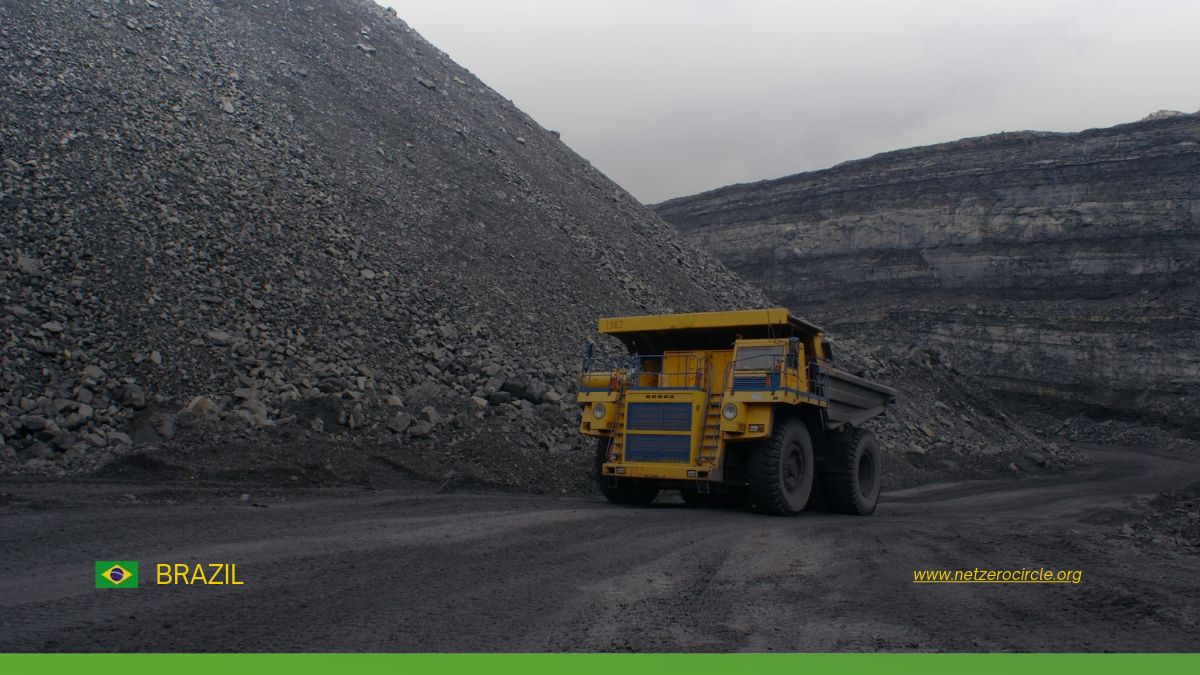
22 October 2026, London (The Net-Zero Circle by IN-VR) Brazilian Critical Minerals (BCM) is moving upstream of its own mine to secure the reagent its rare earth project depends on. The ASX-listed company has signed a binding agreement, through its wholly owned subsidiary Mineração BBX do Brasil Ltda, to acquire a 90% stake in Sais Nordeste Indústria e Comércio Ltda, a magnesium sulphate producer in Feira de Santana, in the state of Bahia. Financial terms have not been disclosed. The deal reflects a wider shift in how rare earth developers outside China are approaching supply risk. Securing ore and refining capacity is no longer enough; the chemicals used to process that ore matter too. By bringing magnesium sulphate production under its own control in Brazil, BCM aims to cut its reliance on Chinese reagent supply chains and strengthen its position as an upstream supplier to the rare earth industry now being built in Western markets.