5 min
Ibtissam El Assad

Dakhla-Oued Eddahab Advances Green Transition with New AI, Hydrogen and Green Data Center Agreements

AN EXCLUSIVE INTERVIEW WITH:

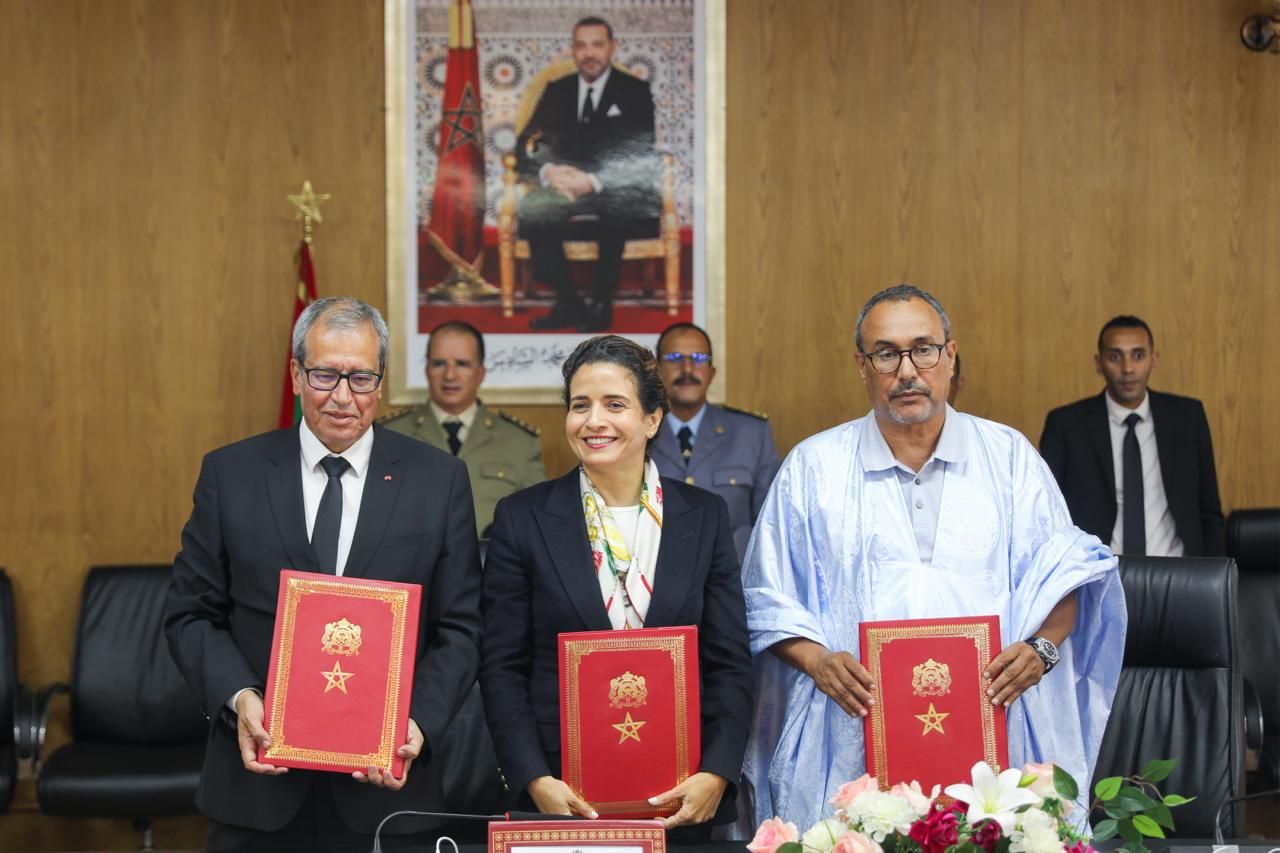
Dakhla, Morocco, in a significant step toward strengthening Morocco’s energy transition and digital transformation, three strategic agreements were signed during an official visit by Dr. Leila Benali, PhD, Minister of Energy Transition and Sustainable Development, to the Dakhla-Oued Eddahab region.

The signing ceremony took place at the headquarters of the Wilaya of Dakhla, in the presence of the Wali, the President of the Region, the Minister Delegate in charge of Digital Transition and Administrative Reform, the Director General of the Research Center for Good and Renewable Energies, and the President of Ibn Zohr University. Together, they outlined a shared vision positioning Dakhla as a pioneering hub for clean energy, green hydrogen, and digital innovation in Morocco and the wider region.

1. Launch of “JAZARI NET” Cluster for AI and Digitalization in the Energy Transition

The first agreement establishes the “JAZARI NET” cluster, a new innovation ecosystem dedicated to accelerating research and development in digitalization and artificial intelligence for the energy transition.

The cluster will:

  • Promote advanced training, research, and innovation in energy and climate technologies
  • Bridge scientific research and on-the-ground needs in key areas such as:
    • Renewable energies
    • Green hydrogen
    • Energy storage
    • Seawater desalination
    • Smart grids
    • Energy efficiency
    • Sustainable development

By fostering collaboration between academia, industry, and public institutions, JAZARI NET aims to generate practical solutions that support Morocco’s trajectory toward a low-carbon, resilient economy.

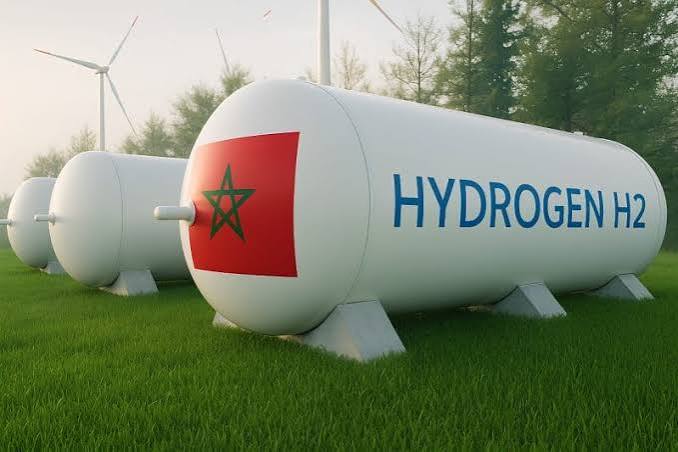
2. Boosting Renewable Energy and Green Hydrogen Projects in Dakhla-Oued Eddahab

The second agreement focuses on scaling up renewable energy and green hydrogen projects in the Dakhla-Oued Eddahab region, with a particular emphasis on energy integration and regional connectivity.

This partnership aims to:

  • Cooperate on the development of new and renewable energy projects
  • Support the production of green hydrogen and clean fuels
  • Enable seawater desalination powered by renewables
  • Secure sustainable power supply for data centers
  • Improve energy efficiency across sectors
  • Strengthen energy infrastructure and interconnection at national and regional levels

These efforts are designed to position Dakhla-Oued Eddahab as a key player in emerging green value chains, contributing both to Morocco’s climate objectives and to regional energy security.

3. Establishing Green Data Centers as Strategic Digital Infrastructure

The third agreement paves the way for the establishment of green data centers in Dakhla-Oued Eddahab, powered by clean energy and integrated into the region’s broader energy transition strategy.

These green data centers are intended to:

  • Serve as strategic digital infrastructure for a low-carbon economy
  • Reinforce national digital sovereignty
  • Attract investments in cloud computing and digital services
  • Create high-value, knowledge-intensive jobs
  • Support the emergence of Dakhla as a leading digital hub at the intersection of Africa, Europe, and the Atlantic

By linking Morocco’s national energy efficiency strategy with the “Digital Morocco 2030” vision, the project aims to ensure that digital growth goes hand-in-hand with decarbonization and sustainable development.

These three agreements together illustrate a holistic approach that connects clean energy, advanced digital technologies, research, and territorial development. Dakhla-Oued Eddahab is thus positioned as a laboratory for net-zero solutions, where renewable energy, green hydrogen, AI, and green digital infrastructure converge to support Morocco’s long-term climate and development ambitions.

ARTICLES CONNEXES

August 28, 2026
Article

Argentina’s Mining Exports Jump 74.4% in Early 2026

Argentina’s mining exports rose 74.4% to US$4.742 billion in early 2026, led by gold, silver and rapidly expanding lithium production. The next challenge is to turn this growth into an integrated Andean mining platform through better infrastructure, Pacific access and cross-border cooperation.
August 27, 2026

Phosphates Come Home: What OCP's $450 Million Louisiana Bet Means for US Food Security and Moroccan Industrial Strategy

27 August 2026, London (The Net-Zero Circle by IN-VR) — Morocco's OCP Group and CHS Inc., the largest farmer-owned cooperative in the US, have announced a joint venture to build a $450 million phosphate fertilizer plant in Louisiana, the first facility of its kind constructed in the United States since 1984. With a capacity of over 1 million tons per year, the project aims to cut US reliance on imports, which currently cover roughly 40% of the nation's phosphate fertilizer needs.
September 2, 2026
Article

Argentina’s RIGI Unlocks Critical-Minerals Investment

Argentina’s RIGI framework is making large-scale critical-minerals projects more investable and predictable. Copper now represents the largest share of approved mining investment, while lithium remains a major growth opportunity. The wider opportunity includes energy, infrastructure, processing, technology, finance, logistics and other services.