5 min
•
Ibtissam El Assad

Morocco Signs Landmark Deal With ORNX Consortium for $4.5 Billion Green Ammonia Project in Laayoune

AN EXCLUSIVE INTERVIEW WITH:

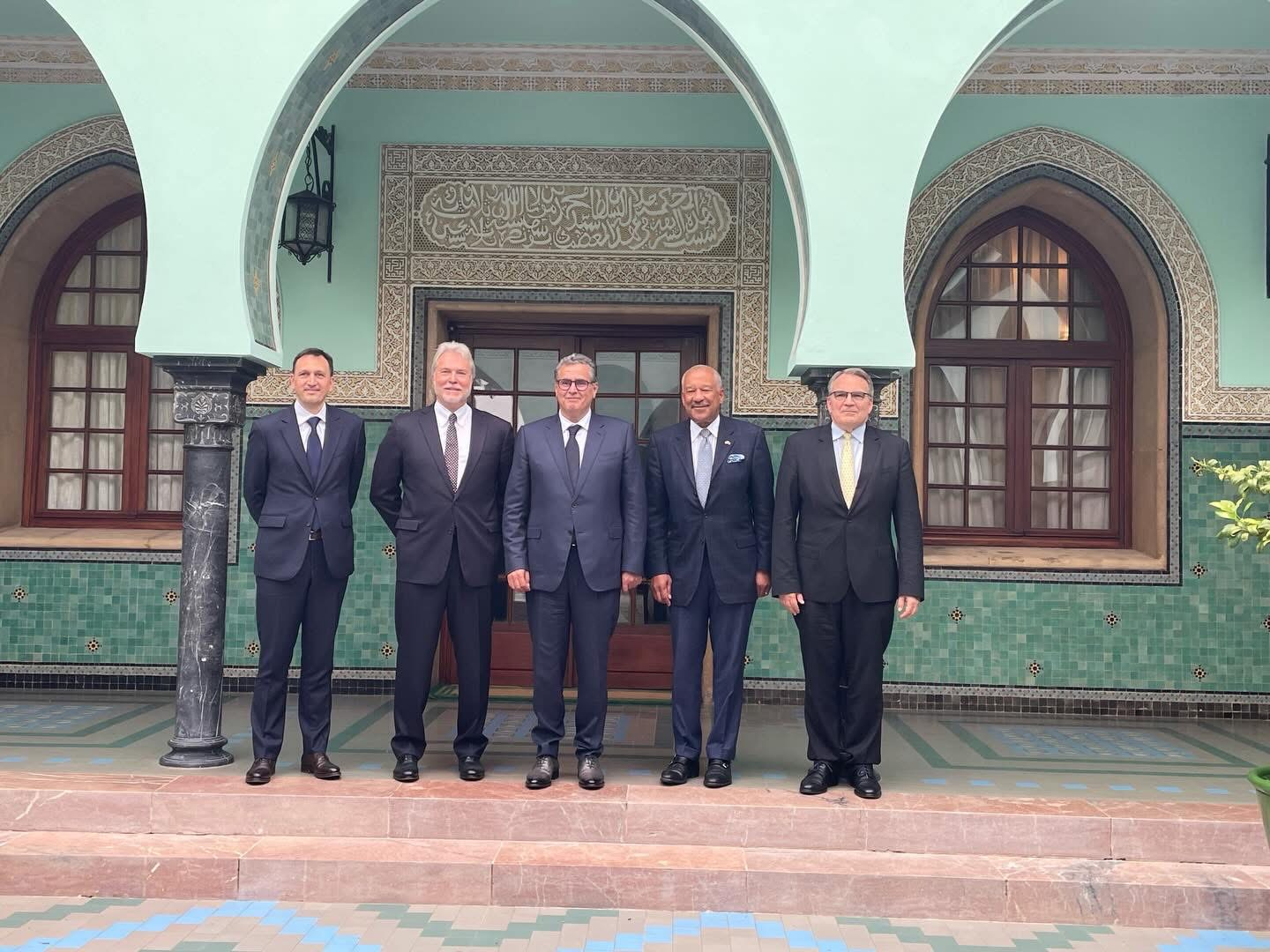
Morocco has signed a major agreement with the international ORNX consortium to secure land for a large scale low cost green ammonia project in Laayoune, in the country’s southern regions. The project is expected to start with an initial investment of approximately $4.5 billion, underscoring Morocco’s push to become a globally competitive producer of green hydrogen and its derivatives.

The ORNX consortium brings together companies from three countries the United States, Spain, and Germany and is composed of Ortus (US), Acciona (Spain), and Nordex (Germany), with a stated focus on ammonia production as a key hydrogen derivative for industrial use and export markets [Maroc.ma; North Africa Post].

Project Scope: Integrated Renewables, Electrolysis, and Desalination

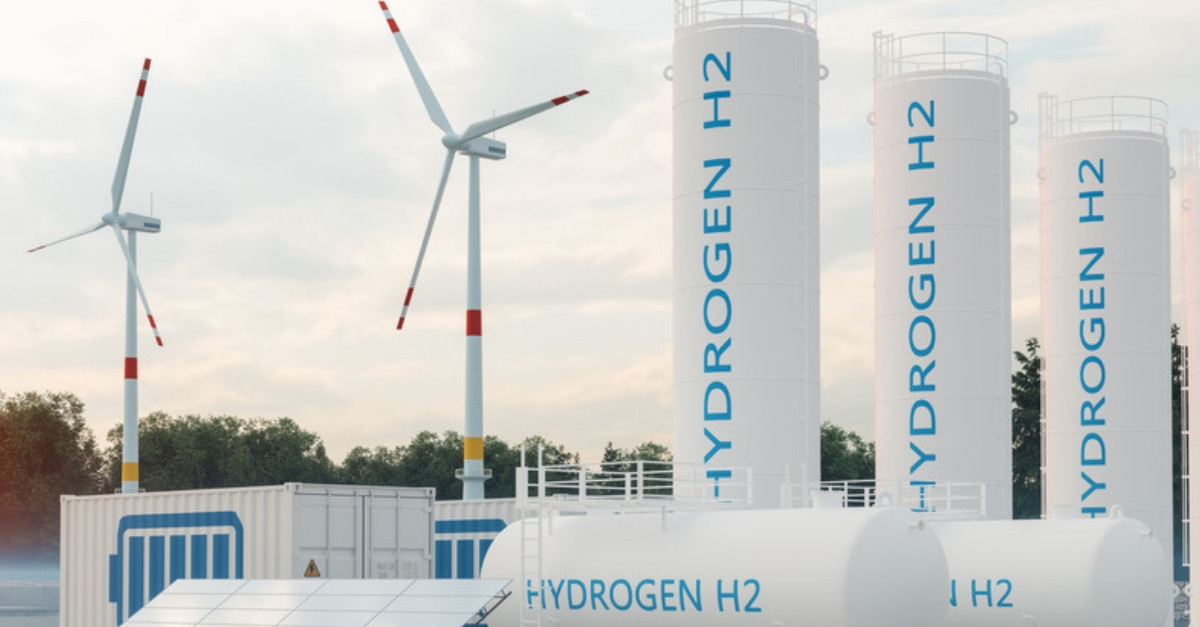
The first ORNX project is planned as a fully integrated renewable powered industrial platform. Public reporting on project documentation and consortium statements describes an energy system designed to run entirely on renewables, combining:

  • More than 2 GW of renewable generation capacity from wind and solar PV
  • Battery energy storage systems to manage intermittency
  • Around 900 MW dedicated to electrolyser units for green hydrogen production
  • Seawater treatment and desalination infrastructure to supply process water [Yabiladi].

In its initial phase, the project is expected to produce about 100,000 tons per year of low-cost hydrogen, which would be converted into approximately 560,000 tons per year of ammonia, intended to serve both Morocco’s domestic needs and international markets [Yabiladi].

Expansion Plans in Boujdour and Dakhla

In addition to Laayoune, ORNX is reported to be planning two further projects in Boujdour and Dakhla, areas that offer a combination of available land, strong wind and solar resources, and direct Atlantic access advantages that support industrial scale renewables and facilitate water intake for desalination and shipping logistics for exports.

Consortium leadership has framed the agreement as a strategic milestone aimed at reinforcing Morocco’s positioning as a hub for low-cost hydrogen and derivatives, including ammonia.

Anchored in Morocco’s “Morocco Offer” Hydrogen Strategy

The ORNX deal aligns with Morocco’s broader green hydrogen policy framework often referred to as the “Morocco Offer” which is designed to attract large scale foreign investment and develop an integrated hydrogen value chain.

Under this approach, Morocco has allocated significant land capacity for investors. Official communication on the “Morocco Offer” framework indicates that projects may receive allocations of up to 30,000 hectares per project, and the national program envisions the mobilization of up to one million hectares overall for green hydrogen development [Maroc.ma].

In March 2025, Morocco also announced the selection of five investor groups to develop six green hydrogen projects in the southern regions, with ORNX listed among the selected consortia and described as focused on ammonia production.

A New Era for Global Green Energy

The ORNX project is set to become a cornerstone of Morocco’s industrial transformation, representing one of the most ambitious clean energy ventures in the region. By seamlessly integrating utility scale renewables with cutting-edge electrolysis and desalination technology, this project creates a high efficiency production chain for green ammonia.

This landmark development solidifies Morocco’s competitive edge, leveraging its world-class natural resources and strategic Atlantic gateway to dominate the global market for low carbon fuels. For international investors and industrial partners, the ORNX project offers a scalable, future proof model for sustainable feedstock production, positioning Morocco as the premier destination for the next generation of green energy investment.

‍

‍

ARTICLES CONNEXES

novembre 16, 2026
•
Article

Sahamco Unveils US$25 Billion Green Hydrogen and Ammonia Project in Dakhla

12 November 2026, London (The Net-Zero Circle) Emirati company Sahamco Holding BV has unveiled plans for a US$25 billion renewable hydrogen and ammonia project in Dakhla, in Morocco's Sahara region. It is one of the largest green molecule investments announced in the Kingdom to date. The project is designed to produce one million tonnes of renewable ammonia a year, powered by Dakhla's wind and solar resources. Sahamco says it has completed feasibility and pre-front-end engineering design (Pre-FEED) studies. Several key details, however, have not yet been made public, including the project's partners, financing structure, power capacity and construction timeline.
novembre 16, 2026
•
Article

Brazil Names 27 Critical and Strategic Minerals in Push to Build a Domestic Supply Chain

11 November 2026, London (The Net-Zero Circle) Brazil's critical minerals strategy is moving from principle to practice. The government has approved its first official list of critical and strategic minerals, naming 27 substances that will determine which projects can access new state financing as the country seeks to process more of its mineral wealth at home. The list gives investors a clearer picture of where Brasília intends to focus its support. How much it changes in practice, however, will depend on funding, on rules that are still being drafted and on the country's ability to attract private capital.
octobre 23, 2026
•
News

Brazilian Critical Minerals acquires 90% of Sais Nordeste to secure reagent supply for Ema rare earth project

22 October 2026, London (The Net-Zero Circle by IN-VR) Brazilian Critical Minerals (BCM) is moving upstream of its own mine to secure the reagent its rare earth project depends on. The ASX-listed company has signed a binding agreement, through its wholly owned subsidiary Mineração BBX do Brasil Ltda, to acquire a 90% stake in Sais Nordeste Indústria e Comércio Ltda, a magnesium sulphate producer in Feira de Santana, in the state of Bahia. Financial terms have not been disclosed. The deal reflects a wider shift in how rare earth developers outside China are approaching supply risk. Securing ore and refining capacity is no longer enough; the chemicals used to process that ore matter too. By bringing magnesium sulphate production under its own control in Brazil, BCM aims to cut its reliance on Chinese reagent supply chains and strengthen its position as an upstream supplier to the rare earth industry now being built in Western markets.