Morocco’s Grid Evolution: The New Sidi Bennour–Laawamer Power Corridor

The SR500 Blueprint: How Morocco and Switzerland are Industrializing Rooftop Solar

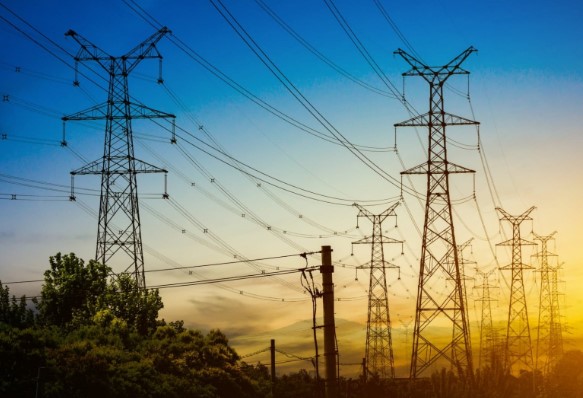
Morocco has taken another concrete step toward strengthening its electricity system and supporting its clean energy ambitions with the commissioning of a new very high‑voltage transmission line linking Sidi Bennour to Laawamer.
The project, led by the National Office of Electricity and Drinking Water (ONEE), involves a 400 kilovolt double‑circuit line stretching nearly 100 kilometers. Recently energized, this new connection significantly reinforces the national transmission backbone, enabling greater electricity flows between regions and enhancing the overall resilience of the grid.
As electricity demand continues to grow across the country, grid reliability and flexibility have become strategic priorities. The Sidi Bennour–Laawamer line directly addresses these needs by increasing transfer capacity and reducing congestion on existing infrastructure. This translates into a more stable and secure electricity supply for households, businesses, and industry.
According to ONEE, the line forms part of a broader, long‑term investment program focused on modernizing Morocco’s transmission network. These upgrades are essential not only to maintain service quality, but also to prepare the grid for a more complex energy mix dominated by renewable sources.
The construction of very high‑voltage infrastructure is a technically demanding undertaking, requiring extensive engineering expertise, specialized equipment, and coordinated field operations. In this case, the scale of the project was reflected in an investment exceeding MAD 184 million (approximately USD 20 million).
Beyond its immediate technical benefits, the project represents a long‑term investment in Morocco’s energy security. By strengthening interregional connections, the grid becomes better equipped to respond to peak demand, manage outages, and integrate new sources of electricity generation.
One of the most important aspects of this new transmission line is its role in supporting Morocco’s energy transition. As the country accelerates the deployment of renewable energy particularly wind and solar transmission capacity has become a critical bottleneck.
Very high‑voltage lines such as the Sidi Bennour–Laawamer corridor are essential for transporting clean electricity from production sites to consumption centers. This is especially relevant as large scale renewable projects continue to emerge in different parts of the country, often far from major demand hubs.
ONEE has emphasized that this project aligns closely with national efforts to adapt the grid to evolving energy needs, ensuring it can safely and efficiently absorb increasing volumes of renewable power.
The commissioning of this line is not an isolated development. It is part of a wider series of transmission projects launched in recent years to reinforce Morocco’s electricity network, including major expansions toward the southern regions.
Today, the national transmission system extends over more than 30,000 kilometers of very high‑voltage lines. Among the most notable assets is a 400 kV double circuit line already reaching Dakhla, as well as another line of the same capacity currently under construction and expected to be commissioned by mid 2026.
These southern corridors are particularly strategic, as they are designed to accommodate future renewable generation especially wind power being developed in the region.
As Morocco positions itself as a regional leader in clean energy, investments in transmission infrastructure are proving just as vital as investments in generation. Projects like the Sidi Bennour–Laawamer line lay the groundwork for a more flexible, reliable, and low‑carbon electricity system.